

 US Dollar

What is Batik Fabric? Understanding Its Rich Heritage
Posted by BLG on 2025 Oct 8th
Posted by BLG on 2025 Oct 8th

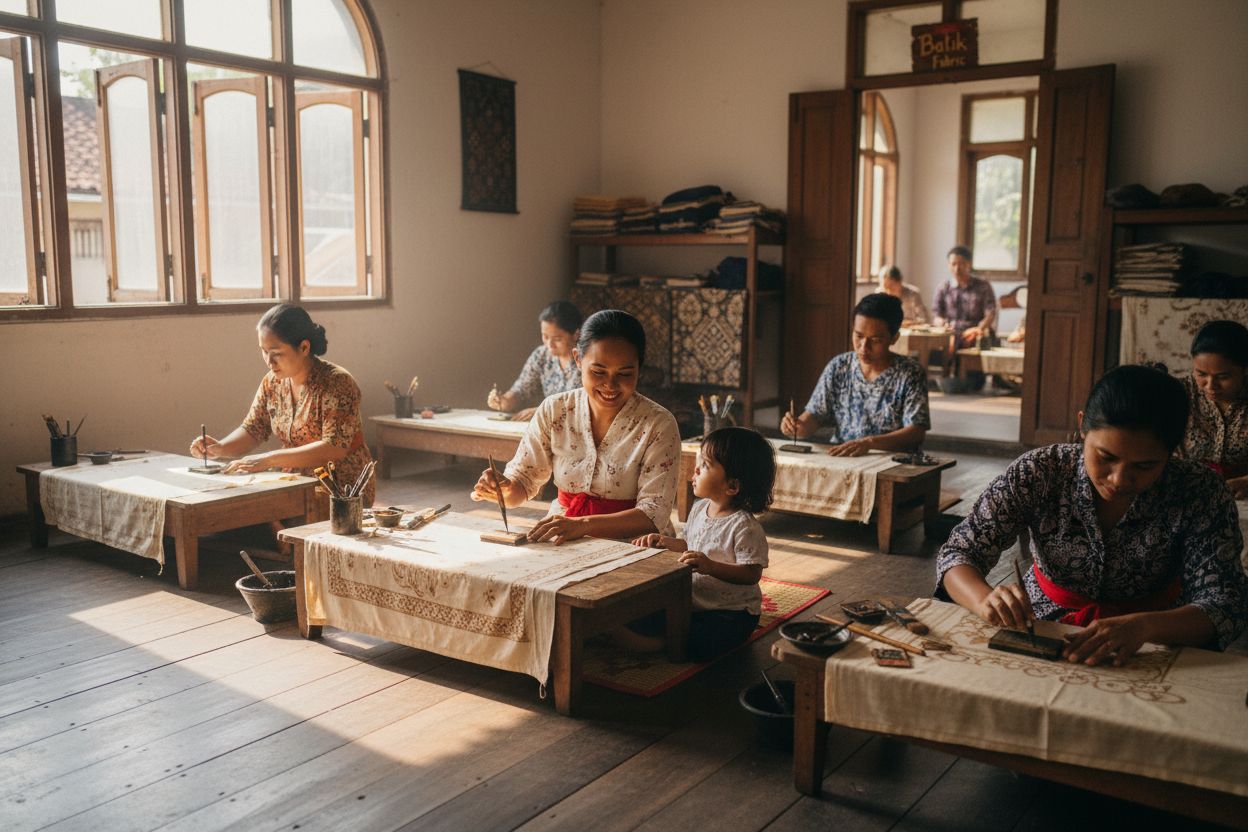
Batik fabric turns ordinary cloth into vibrant works of art using a process that seems almost magical. Think about this. Many skilled batik artisans spend years mastering the technique just to produce a single, flawless piece. Yet for most people, the real draw of batik goes far beyond patterns and color. The secret is that every design carries a story—connecting centuries of tradition with bold, modern creativity in ways that no other textile can.
| Takeaway | Explanation |
|---|---|
| Batik is a wax-resist dyeing technique. | This traditional fabric art involves applying hot wax to create intricate designs that resist dye absorption. |
| Batik embodies cultural and artistic significance. | Each design carries meanings related to social status, traditions, and storytelling, making every piece unique. |
| Modern applications extend to fashion and decor. | Batik is used in contemporary clothing and home decor, enhancing both aesthetic value and cultural richness. |
| Sustainability is increasingly prioritized in production. | Artisans are adopting eco-friendly practices, like natural dyes, to reduce environmental impact while preserving tradition. |
| Digital technology is transforming batik design. | Advanced design tools are allowing artisans to create complex patterns while maintaining handcrafted quality. |
Batik fabric represents a stunning textile art form with roots deeply embedded in cultural craftsmanship, characterized by its intricate wax-resist dyeing technique. This unique fabric creation method transforms plain textiles into elaborate, detailed designs through a meticulous process that has been perfected over generations.
At its core, batik fabric is distinguished by its distinctive production technique involving applying hot wax to cloth before dyeing. Artisans carefully paint or stamp hot wax onto fabric using specialized tools like copper stamps (called “tjaps”) or hand-drawing tools, creating intricate patterns that resist subsequent dye applications. The wax acts as a protective barrier, preventing specific areas of the fabric from absorbing color, which results in complex, multilayered designs.
The process involves several critical steps that make batik fabric truly unique:
Batik fabric is more than just a textile manufacturing technique it represents a profound artistic expression with deep cultural meanings. According to UNESCO, batik has been recognized as an Intangible Cultural Heritage, highlighting its significant role in preserving traditional artistic practices. Each batik design often carries symbolic meanings related to social status, local traditions, and storytelling, making every piece a unique narrative woven into fabric.
The complexity of batik fabric lies not just in its visual appeal but in the incredible skill required to create these textiles. Skilled batik artisans spend years perfecting their craft, understanding how wax behaves, selecting appropriate dye colors, and creating designs that tell stories through intricate patterns and color combinations. The result is a fabric that transcends mere clothing or decorative material, becoming a true art form that connects cultural heritage with contemporary artistic expression.
To clarify batik’s core features, here is a summary of its most essential characteristics and what sets it apart from other textiles.
| Feature/Characteristic | Description |
|---|---|
| Wax-Resist Dyeing Technique | Hot wax is applied to fabric to create patterns that resist dye, forming intricate designs. |
| Artisanship | Requires years of skill, precise control of wax and dyes, and artistic creativity. |
| Cultural Symbolism | Patterns convey stories, social status, and local traditions unique to regions and artisans. |
| Multiple Dye Layers | Often involves repeated waxing and dyeing to build up complex, multi-color motifs. |
| Materials Used | Typically made with natural fibers like cotton or silk for optimal dye absorption. |
| UNESCO Recognition | Recognized as Intangible Cultural Heritage for cultural and artistic importance. |
| Storytelling Element | Every design is unique, acting as both wearable art and a vessel for tradition and narrative. |
Batik fabric transcends mere textile production, representing a profound cultural communication method that connects generations, communities, and historical narratives through intricate design and symbolic representation. This textile art form serves as a powerful medium of cultural expression, telling stories and preserving traditions across diverse global contexts.
In different regions, batik fabric carries unique symbolic meanings that reflect local traditions and social structures. Traditional batik designs are not random patterns but intentional representations of cultural values, social status, and spiritual beliefs. For instance, Javanese batik patterns historically indicated a person’s social rank, with certain complex designs reserved for royalty and nobility. Some patterns were exclusively worn during specific ceremonies or by particular social classes, making batik a visual language of social communication.
Key cultural dimensions of batik include:
The global significance of batik extends beyond local traditions. According to UNESCO, batik has been recognized as an Intangible Cultural Heritage, acknowledging its importance in maintaining cultural diversity and human creativity. This international recognition highlights batik’s role not just as a textile technique, but as a critical form of cultural preservation and artistic expression that connects communities across geographical boundaries.
Modern designers and artists continue to evolve batik, transforming traditional techniques into contemporary fashion and art forms. By adapting ancient practices to current aesthetic sensibilities, batik remains a living, breathing art form that bridges historical craftsmanship with modern creative expressions. The continuous reinvention of batik ensures that this remarkable textile art remains relevant, inspiring new generations of artisans and designers worldwide to appreciate and perpetuate this rich cultural tradition.
The creation of batik fabric represents an extraordinary blend of artistic skill, precision, and cultural tradition. This intricate textile production method involves multiple complex stages that transform ordinary fabric into a vibrant, storytelling canvas through an elaborate wax-resist dyeing process.
The batik-making journey begins with careful fabric selection, typically using natural fibers like cotton or silk that can effectively absorb dyes and hold intricate designs. Artisans meticulously prepare the fabric by washing and treating it to ensure a smooth, receptive surface. The essential tools for batik creation include specialized implements that have been refined over centuries:

The heart of batik fabric creation lies in the wax-resist technique. Artisans apply hot liquid wax onto the fabric using either hand-drawn methods or copper stamps, creating intricate barriers that prevent dye absorption in specific areas. According to Traditional Crafts of the World, this technique requires extraordinary precision, with artisans carefully controlling wax temperature and application to create complex, multilayered designs.
The wax application process is both an art and a science, demanding incredible skill to create designs that appear seamless and intentional. After initial wax application, the fabric undergoes multiple dye immersions, with each layer adding depth, complexity, and richness to the final design. Between each dyeing stage, additional wax layers might be applied, creating increasingly sophisticated visual narratives within the textile.
The final stages of batik fabric production involve carefully removing the accumulated wax layers through controlled boiling or ironing processes. This delicate step reveals the intricate design hidden beneath the wax, transforming the fabric into a vibrant, storytelling textile. Each batik piece emerges as a unique artistic creation, reflecting the individual artisan’s skill, cultural background, and creative vision. The result is not just a piece of fabric, but a complex artwork that carries cultural significance, personal expression, and generations of refined craftsmanship.
Below is an overview of key steps in traditional batik fabric making, summarizing the main activities and their purpose.
| Step | Description |
|---|---|
| Fabric Preparation | Washing and treating natural fibers like cotton or silk to ensure smooth dye absorption. |
| Wax Application | Artisans use tools (tjaps or cantings) to carefully apply hot wax in desired patterns. |
| Dyeing | The waxed fabric is immersed in colored dye baths, with waxed areas resisting the dye. |
| Additional Wax/Dye Layers | Optional repeated waxing and dyeing for complex, multilayered designs and color depth. |
| Wax Removal | Boiling or ironing removes wax, revealing the full intricate design beneath. |
| Finishing | Final touches and inspection ensure the quality and vibrancy of the finished batik piece. |
Batik fabric has evolved from a traditional textile technique to a versatile material that enriches contemporary design across fashion, interior design, and artistic expression. Its unique aesthetic and cultural depth make it an extraordinary medium for creating visually compelling and meaningful pieces that transcend ordinary textile applications.
Contemporary fashion designers have embraced batik fabric as a dynamic medium for creative expression, transforming traditional techniques into modern, wearable art. From haute couture runways to ready-to-wear collections, batik fabric offers designers an opportunity to incorporate intricate patterns and rich cultural narratives into clothing. The fabric’s adaptability allows for diverse fashion applications, including:
Beyond fashion, batik fabric has found remarkable applications in interior design and home decor. According to the Asian Art Museum, batik’s versatility extends far beyond clothing, making it an exceptional choice for creating unique, culturally rich home environments. Designers and homeowners utilize batik fabric to add texture, color, and narrative depth to living spaces.
Interior design applications include wall hangings that serve as artistic focal points, decorative throw pillows that introduce cultural sophistication, table linens that transform dining experiences, and upholstery that tells a story through intricate patterns. Each batik piece introduces not just a design element, but a conversation starter that connects spaces with cultural heritage and artistic craftsmanship.
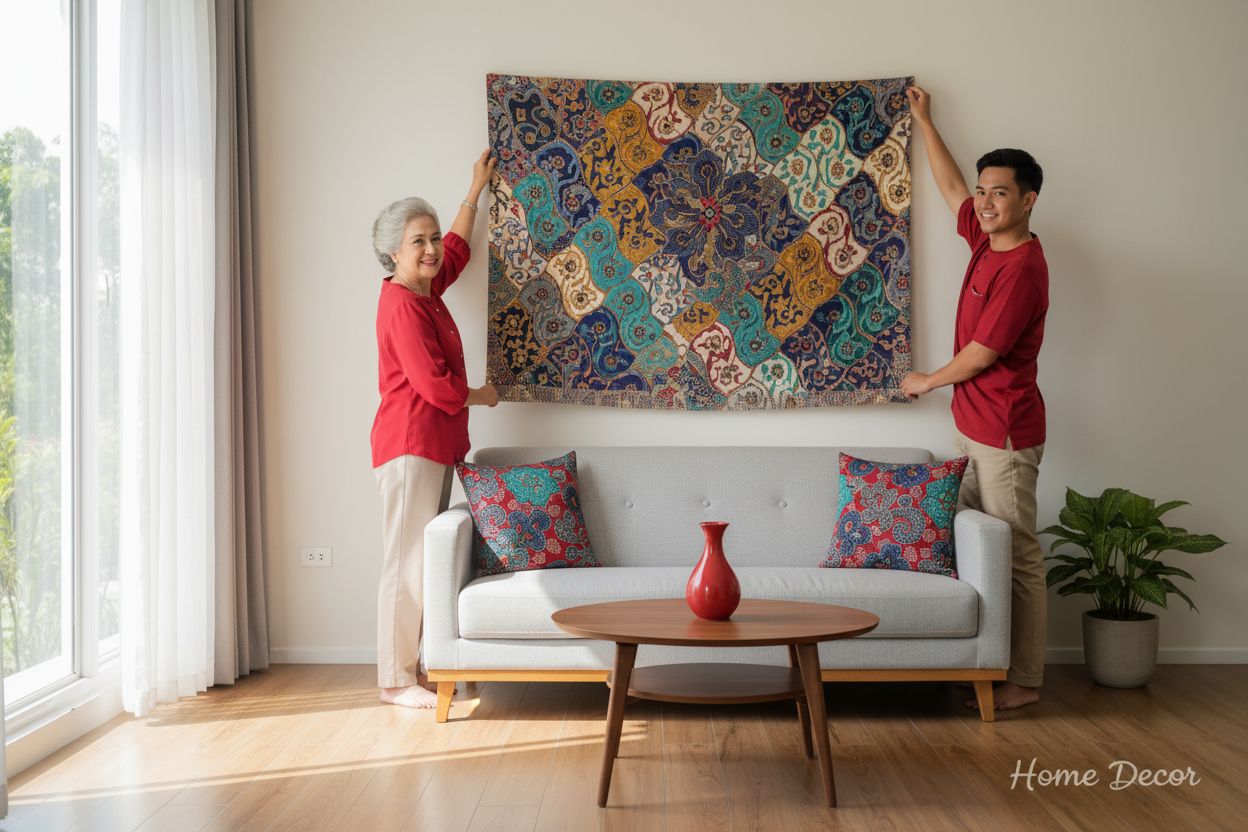
The true power of batik fabric lies in its ability to bridge aesthetic beauty with functional utility. Modern artisans and designers continue to push boundaries, exploring batik’s potential in unexpected domains. From contemporary art installations to sustainable fashion initiatives, batik fabric represents a dynamic textile form that honors traditional techniques while continuously reinventing itself for modern contexts. Its ability to communicate cultural stories, preserve artistic traditions, and provide visually stunning design solutions makes batik fabric a truly exceptional medium in the world of textile arts and design.
As global design landscapes evolve, batik fabric stands at an exciting intersection of traditional craftsmanship and contemporary innovation. This remarkable textile art form is experiencing a transformative renaissance, adapting to technological advancements, sustainability movements, and changing aesthetic preferences while maintaining its profound cultural roots.
Modern batik production is increasingly embracing digital technologies, revolutionizing how traditional designs are conceptualized and executed. Advanced design software now allows artisans to experiment with complex patterns, color combinations, and geometric configurations that were previously challenging to achieve manually. These technological interventions are expanding batik’s creative boundaries without compromising its essential handcrafted character:
Environmental consciousness is driving significant transformations in batik fabric production. According to Textile Exchange, sustainable practices are becoming increasingly central to textile manufacturing. Batik artisans are pioneering eco-friendly approaches, utilizing natural dyes, organic fabrics, and implementing waste-reduction strategies that respect both cultural traditions and environmental requirements.
The sustainable batik movement involves developing innovative techniques that minimize water consumption, reduce chemical usage, and support local artisan communities. By integrating traditional craftsmanship with contemporary environmental standards, batik fabric is positioning itself as a forward-thinking textile medium that values both artistic expression and ecological responsibility.
The future of batik fabric represents a delicate balance between global marketability and cultural authenticity. Contemporary designers are reimagining batik as a versatile, internationally appealing textile, creating designs that resonate with global audiences while maintaining deep cultural significance. This approach ensures that batik continues to evolve as a dynamic art form, attracting younger generations and international markets without losing its essential narrative and artistic integrity. By bridging traditional techniques with modern design sensibilities, batik fabric is not just preserving a textile tradition but actively writing its next transformative chapter in the global design landscape.
Are you inspired by the rich artistry and cultural legacy of batik fabric, but faced with the challenge of finding high-quality textiles that truly capture this traditional beauty? Many readers discover the intricate wax-resist techniques and cultural symbolism of batik and want to bring that special feeling into their own style, home, or creative work. If you love the idea of telling stories through textiles or want to add handcrafted vibrance to your next fashion or decor project, the journey starts with the right fabric choice. Whether you are a crafter, designer, or decorator, gaining easy access to a comprehensive fabric selection is key to transforming inspiration into reality.
Unlock your creativity and discover a range of quality textiles influenced by timeless techniques at fabric-fabric.com. Browse our detailed fabric listings for your next apparel, home decor, or craft creation. With exclusive discounts, user-friendly shopping, and up-to-date inventory, now is the perfect time to explore the wide selection of fabrics and start your batik-inspired journey today.
Batik fabric is a unique textile art form characterized by its intricate wax-resist dyeing technique, where hot wax is applied to fabric to create detailed patterns that resist dye absorption.
Batik fabric is made through several steps, including preparing the base fabric, applying hot wax, dyeing the fabric, and finally removing the wax to reveal the intricate designs. This process can involve multiple dye baths for complex motifs.
Batik fabric holds deep cultural meanings, often representing social status, local traditions, and storytelling. Its designs are not arbitrary; they convey important messages and preserve traditional artistic practices.
Batik fabric is versatile, used in contemporary fashion design, home decor, and art installations. It adds cultural depth and visual interest to clothing and interior spaces, offering a rich storytelling element through its patterns.