

 Canadian Dollars

Understanding Why Use Sustainable Textiles for Your Projects
Posted by BLG on 2025 Sep 20th
Posted by BLG on 2025 Sep 20th


Sustainable textiles are changing the way we think about fashion and fabric. Most people don’t realize that the textile industry is responsible for an estimated 7 percent of all global exports. That number grabs attention. Yet what really turns heads is how new sustainable methods can cut water use, chemicals, and even turn recycled bottles into soft, durable fabric. The biggest surprise is that going green no longer means sacrificing quality or style. Something once thought impossible in textiles is now a reality.
| Takeaway | Explanation |
|---|---|
| Sustainable textiles prioritize environmental responsibility. | These fabrics focus on minimizing ecological impact while ensuring high quality in production. |
| Circular economy principles enhance textile sustainability. | Circular practices aim to reuse materials, reducing waste and resource consumption significantly. |
| Sustainable textiles promote ethical manufacturing. | They ensure fair labor practices and worker welfare throughout the textile supply chain. |
| Innovative materials help reduce environmental impact. | Fabrics made from recycled or organic materials minimize pollution and resource depletion. |
| Adopting sustainable textiles benefits business and society. | Companies can improve their reputation while generating job opportunities and supporting local communities. |
Sustainable textiles represent an innovative approach to fabric production that prioritizes environmental responsibility and ethical manufacturing processes. Unlike traditional textile production methods that generate significant waste and environmental damage, sustainable textiles focus on minimizing ecological impact while maintaining high-quality material standards.
Sustainable textiles are distinguished by several core principles that set them apart from conventional fabric production. These materials are characterized by:
The primary goal of sustainable textiles is to create fabrics that not only meet functional requirements but also demonstrate a commitment to ecological preservation.
This table outlines and defines the core characteristics that distinguish sustainable textiles, providing a clear overview of the features discussed in the article.
| Characteristic | Description |
|---|---|
| Environmentally Conscious Materials | Use of organic, recycled, or renewable resources to lower environmental strain |
| Reduced Carbon Footprint | Manufacturing processes that cut down greenhouse gas emissions and energy use |
| Ethical Production Standards | Ensuring fair labor practices and prioritizing worker welfare |
| High-Quality Performance | Production of durable fabrics without sacrificing functionality or style |
| Water and Chemical Reduction | Techniques that minimize water consumption and limit harmful chemical usage |
| Transparency in Supply Chain | Promoting openness and accountability throughout the textile production process |
| According to the United Nations Environment Programme, these textiles are integral to addressing the substantial environmental challenges posed by the global fashion and textile industry. |
Sustainable textile production involves sophisticated techniques that transform how fabrics are conceptualized and manufactured. Innovative approaches include developing materials from unexpected sources like recycled plastic bottles, agricultural waste, and regenerated natural fibers. Manufacturers increasingly employ closed-loop production systems that dramatically reduce water usage, chemical consumption, and overall waste generation.
Key material innovations in sustainable textiles include organic cotton, which eliminates harmful pesticides, hemp fabrics that require minimal water and no pesticides, and recycled polyester derived from post-consumer plastic waste. These materials demonstrate that environmental responsibility can coexist with high-performance textile production, offering alternatives that do not compromise on quality or durability.
By embracing sustainable textile technologies, designers, manufacturers, and consumers can collectively contribute to reducing the fashion industry’s substantial environmental footprint while supporting more responsible and transparent production practices.
To clarify the different approaches and their impact, the following table compares traditional textile production and sustainable textile practices across key dimensions discussed in the article.
| Aspect | Traditional Textiles | Sustainable Textiles |
|---|---|---|
| Environmental Impact | High pollution, significant waste | Minimized ecological footprint |
| Water Usage | Excessive water consumption | Dramatically reduced water use |
| Chemical Use | Heavy reliance on harmful chemicals | Eco-friendly, reduced chemicals |
| Materials | Conventional, often non-renewable resources | Organic, recycled, or renewable materials |
| Production Loop | Linear (take-make-dispose) | Circular (promotes reuse and material recovery) |
| Labor Practices | Often poor; may overlook worker welfare | Emphasizes ethical treatment and fair working conditions |
| Social/Economic Impact | Limited local benefit, less focus on transparency | Supports communities, transparency, and job creation |
| Product Quality/Innovation | Traditional quality, limited eco-focus | High-quality, innovative materials with environmental focus |
Sustainable textiles have emerged as a critical solution to address the environmental challenges posed by traditional textile manufacturing. As global awareness of climate change and resource depletion grows, understanding the profound significance of sustainable textile practices becomes increasingly crucial for industries, consumers, and environmental advocates.
The textile industry is notorious for its substantial environmental footprint. Traditional fabric production generates significant pollution, consumes excessive water resources, and contributes to greenhouse gas emissions. Sustainable textiles offer a transformative approach to mitigate these environmental challenges by:
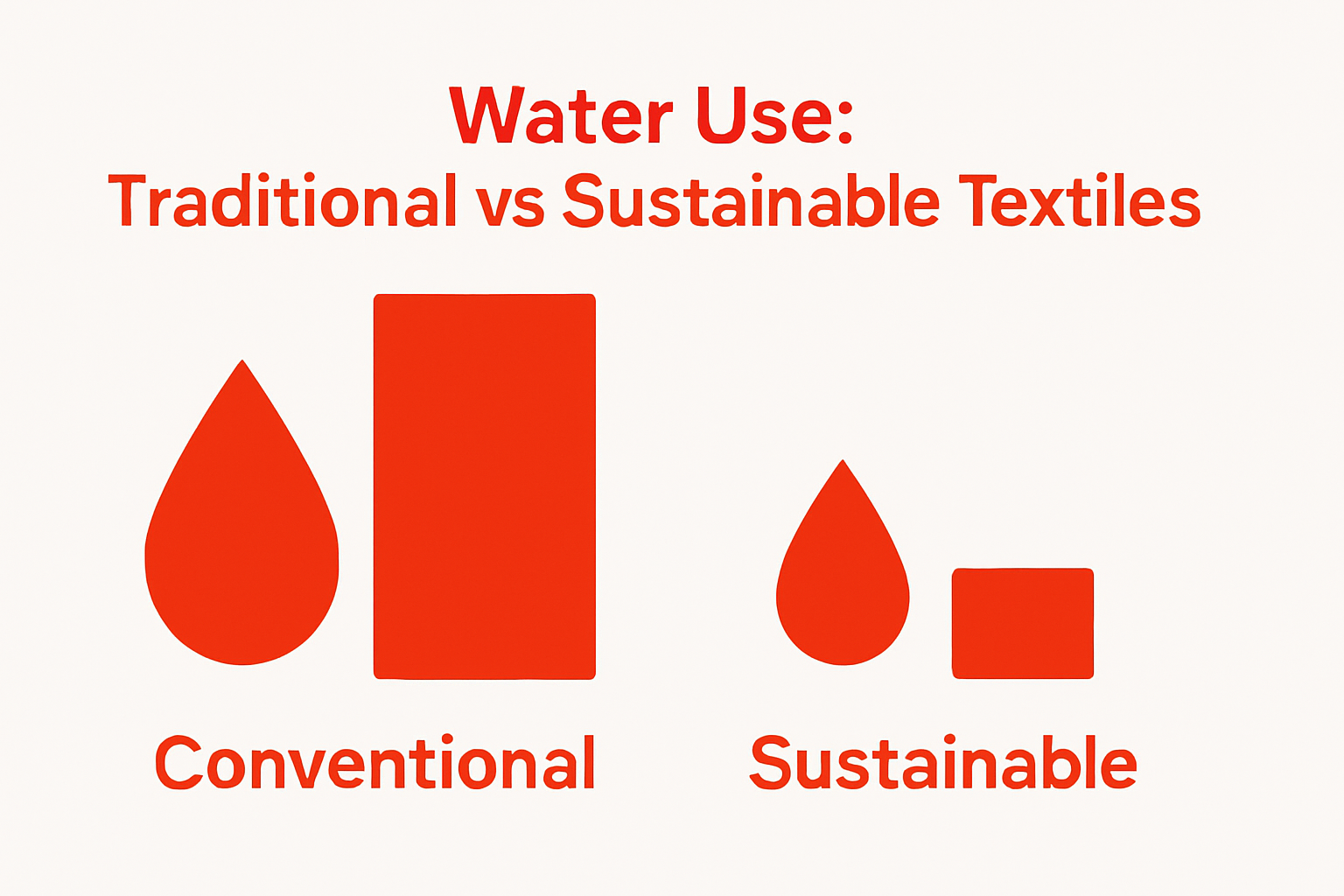
Research from PubMed Central underscores the urgent need for waste recovery and recycling strategies in promoting eco-sustainability within the textile industry.
Beyond environmental advantages, sustainable textiles generate substantial economic and social benefits. By promoting circular economy principles, these innovative textile approaches create new job opportunities, support ethical manufacturing practices, and drive technological innovation. Companies adopting sustainable textile technologies can reduce long-term production costs, improve brand reputation, and meet growing consumer demand for environmentally responsible products.
Sustainable textile practices also address critical social issues by ensuring fair labor conditions, supporting local communities, and promoting transparency in global supply chains. This holistic approach demonstrates that environmental responsibility can coexist with economic development and social progress.
As industries and consumers increasingly recognize the critical importance of sustainable practices, sustainable textiles represent more than just an environmental strategy. They embody a comprehensive approach to reimagining textile production that balances ecological preservation, economic viability, and social responsibility.
Sustainable textiles represent a critical approach to environmental conservation, offering significant potential to mitigate the textile industry’s substantial ecological footprint. By transforming traditional manufacturing processes, these innovative materials provide a comprehensive strategy for reducing environmental degradation and promoting ecological balance.
Traditional textile production is notoriously resource-intensive, consuming massive amounts of water, energy, and raw materials. Sustainable textiles fundamentally challenge these inefficient practices by implementing strategies that dramatically reduce resource consumption:
Research from MIT highlights that clothing represents 7% of global exports, underscoring the critical importance of sustainable practices in addressing industry-wide environmental challenges.
Sustainable textiles play a transformative role in addressing waste generation and promoting circular economy principles. By developing innovative recycling technologies and closed-loop production systems, these materials can significantly reduce textile waste that typically ends up in landfills. Manufacturers are increasingly developing methods to transform post-consumer textile waste into new fabric products, creating a regenerative system that minimizes environmental impact.
The environmental benefits extend beyond waste reduction. Sustainable textile technologies help decrease microplastic pollution, reduce chemical contamination, and lower greenhouse gas emissions associated with traditional textile manufacturing. These approaches demonstrate that environmental responsibility can be seamlessly integrated into textile production without compromising product quality or performance.
As global environmental challenges intensify, sustainable textiles emerge as a critical solution for reimagining industrial production. By prioritizing ecological preservation, these innovative materials offer a pathway toward more responsible and regenerative manufacturing practices that balance human needs with environmental stewardship.
Sustainable textile practices represent a sophisticated approach to transforming fabric production through innovative environmental and ethical strategies. These practices go beyond simple material selection, encompassing comprehensive systems that reimagine how textiles are designed, produced, used, and ultimately recycled.
At the core of sustainable textile practices lies the circular economy model, which fundamentally challenges traditional linear production methods. Unlike conventional approaches that follow a take-make-dispose pattern, circular economy principles in textiles focus on:
Stockholm Resilience Centre research highlights six critical targets for establishing a truly sustainable textile industry, emphasizing the importance of integrating planetary boundaries with innovative production strategies.
Sustainable textile practices extend far beyond environmental considerations, incorporating comprehensive social and economic dimensions. This holistic approach ensures that sustainability is not just an ecological imperative but a multifaceted strategy addressing worker welfare, economic viability, and technological innovation.
Key holistic sustainability considerations include ethical labor practices, transparent supply chains, fair compensation for workers, and investment in technologies that reduce environmental impact. By treating sustainability as an interconnected system rather than a singular focus, textile manufacturers can create meaningful, long-term transformative change.
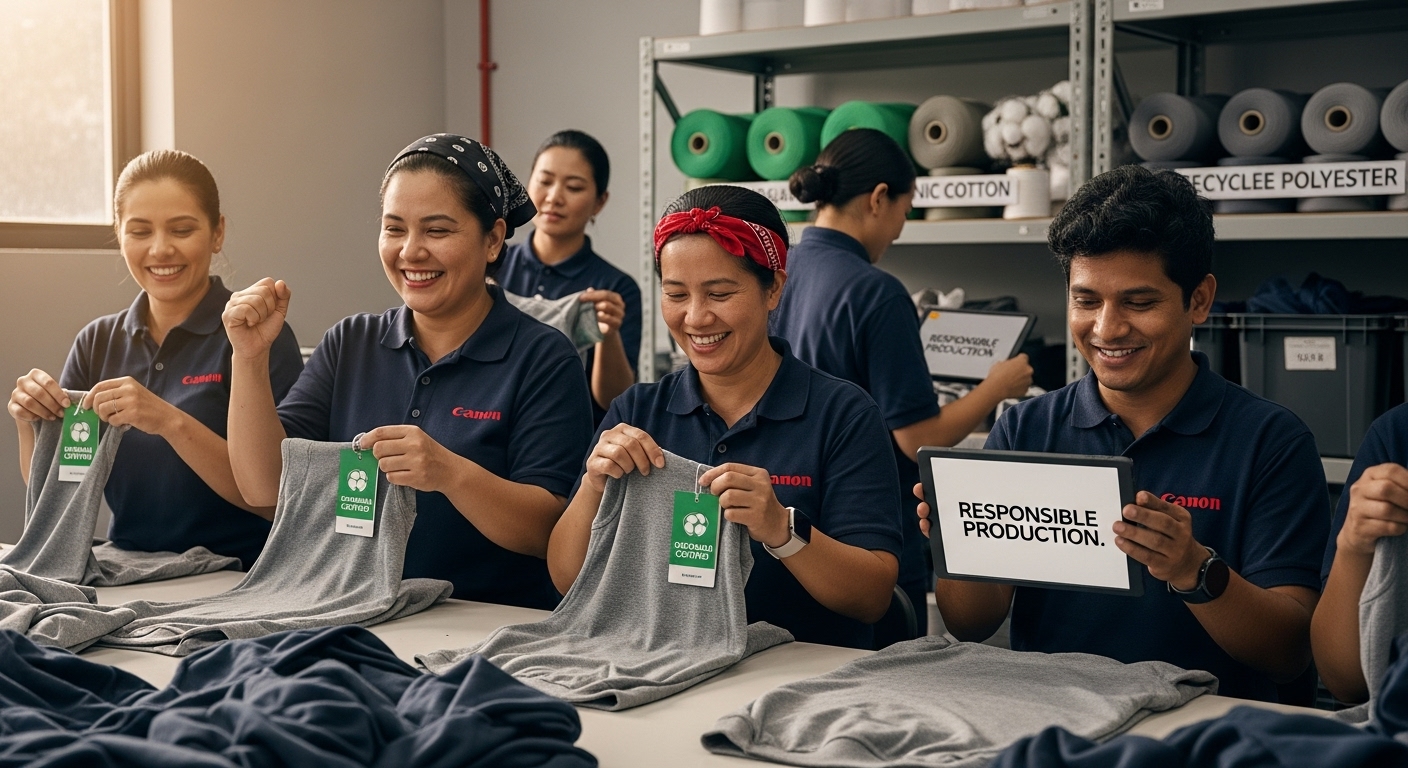
These practices represent more than just an environmental strategy they embody a fundamental reimagining of how textiles can be produced responsibly, balancing technological innovation, ecological preservation, and human welfare in an increasingly complex global ecosystem.
Your passion for crafting, quilting, or designing is matched by a desire to create responsibly. The article revealed how traditional textiles can harm the environment, use excess water, and support unfair labor. If you want your apparel, decor, or craft project to make a positive mark, now is the time to explore eco-friendly fabric solutions that align with your values.

Browse the wide selection at fabric-fabric.com and discover sustainable materials that help you reduce your environmental footprint. Find detailed product descriptions, usage tips, and real solutions to the problems outlined in “Understanding Why Use Sustainable Textiles for Your Projects.” Take the next step. Shop sustainable fabric options today and be part of the change your project—and the world—needs now.
Sustainable textiles are fabrics that prioritize environmental responsibility and ethical manufacturing processes, minimizing ecological impact while maintaining high quality.
Sustainable textiles reduce environmental impact by consuming less water, minimizing chemical pollution, and decreasing carbon emissions during the manufacturing process.
Examples of sustainable materials include organic cotton, hemp fabrics, and recycled polyester, which utilize renewable or recycled resources and reduce harmful practices in production.
Circular economy principles in sustainable textiles focus on regenerative design, material recovery, and closed-loop production to minimize waste and ensure continuous reuse of fabric materials.