

 US Dollar

Understanding Why Choose Extra Wide Fabric for Your Projects
Posted by BLG on 2025 Oct 1st
Posted by BLG on 2025 Oct 1st

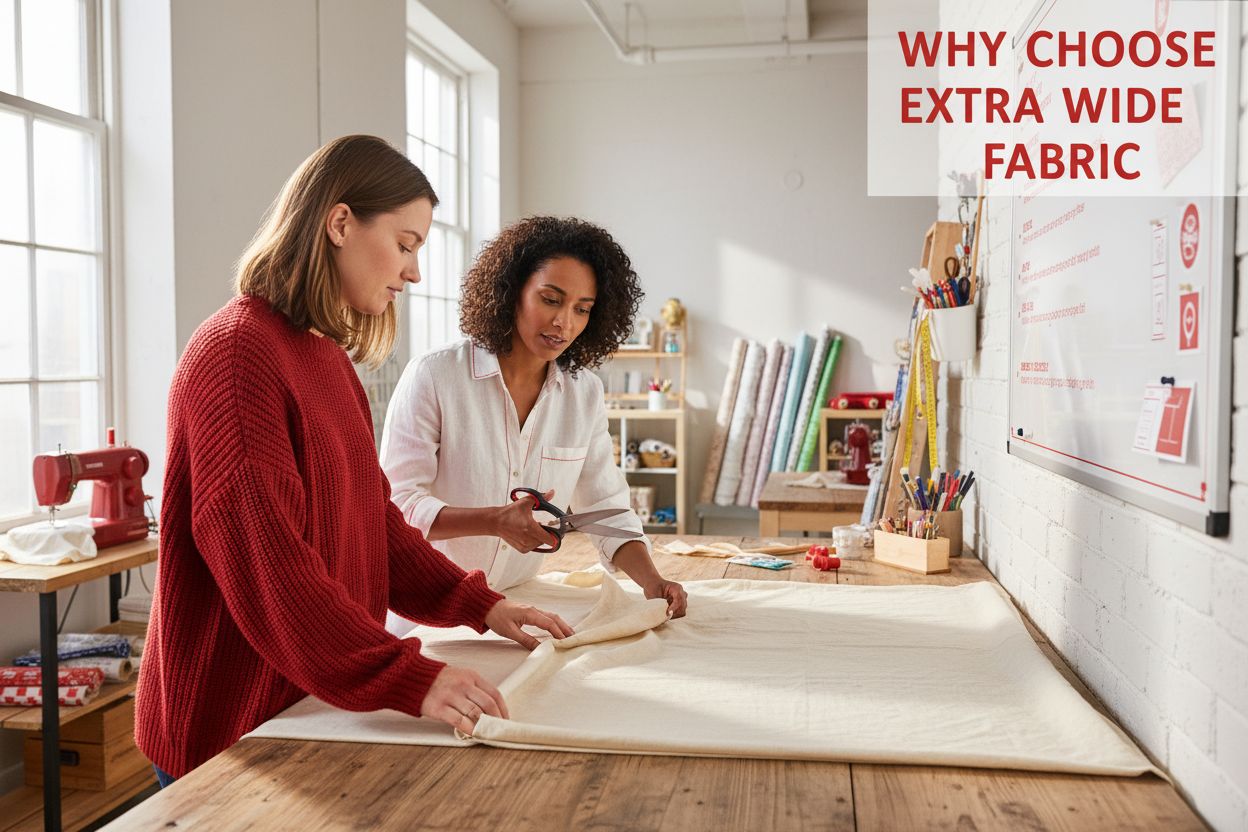
Extra wide fabric is shaking up the way creators tackle big projects. Typical fabric rolls top out at around 60 inches but extra wide fabric can stretch a massive 135 inches across. That sounds huge, right? The most surprising part is that this isn’t just about size. It completely changes what’s possible with design, from seamless curtains to show-stopping dresses, making complicated seams and wasted scraps things of the past.
| Takeaway | Explanation |
|---|---|
| Extra wide fabrics expand design possibilities | These textiles offer wider dimensions, allowing for larger designs without seams. |
| Reduced seams enhance structural integrity | Fewer seams minimize stress points, improving durability and aesthetics of the finished product. |
| Economic efficiency boosts profitability | Less fabric joining lowers labor costs and speeds up production, beneficial for high-volume environments. |
| Ideal for various creative applications | Suitable for home decor, fashion, and technical fields, enabling seamless designs across disciplines. |
| Unlocks intricate design opportunities | Offers a continuous fabric surface that enhances pattern alignment and overall design continuity. |
Extra wide fabric represents a specialized textile category designed to provide broader coverage and enhanced versatility for multiple crafting and design applications. Unlike standard fabric widths, extra wide fabrics offer unique dimensions that transform how creators approach their textile projects.
Traditionally, fabric widths range between 45 to 60 inches, but extra wide fabrics dramatically expand these limitations. According to Textile School, extra wide fabrics typically measure between 90 to 135 inches, providing substantial material real estate for complex designs.
Key characteristics of extra wide fabrics include:
Manufacturing extra wide fabrics requires specialized industrial looms capable of producing broader textile panels. These advanced looms enable textile producers to create seamless, expansive fabric sheets that meet demanding design and functional requirements.
The production process involves precision engineering to maintain fabric integrity across extended widths. Manufacturers must carefully control tension, weave consistency, and material properties to ensure uniform quality across the broader fabric surface.
Extra wide fabrics find extensive use across multiple domains. Interior designers utilize these fabrics for creating expansive curtains without visible seams. Quilters appreciate the continuous fabric surface for intricate pattern work. Fashion designers leverage extra wide textiles for creating dramatic, uninterrupted garment designs that showcase fabric texture and print without disruptive seam lines.
By understanding extra wide fabric characteristics, creators can unlock new possibilities in textile design, reducing technical constraints and expanding creative potential.
Below is a comparison table summarizing the primary differences and advantages of extra wide fabric versus standard fabric, to help clarify how these textiles affect creative projects.
| Fabric Type | Typical Width (inches) | Seam Requirements | Key Advantages |
|---|---|---|---|
| Standard Fabric | 45-60 | More seams and joining | Widely available, suitable for smaller projects |
| Extra Wide Fabric | 90-135 | Fewer or no seams needed | Reduced waste, seamless designs, economic efficiency, supports large-scale applications |
For professional designers and creative crafters, extra wide fabric transforms traditional project limitations, offering unprecedented flexibility and innovative design possibilities. The strategic selection of extra wide textiles goes far beyond simple width measurements.
Extra wide fabrics eliminate many constraints faced by designers working with standard width materials. These expansive textiles provide continuous surface areas that dramatically reduce fabric joining requirements. According to Textile School Research, designers can now create more sophisticated, seamless designs across multiple project types.
Key advantages for crafters include:
Beyond creative benefits, extra wide fabrics offer substantial economic advantages. Professional designers and small business owners recognize that fewer fabric seams translate directly into reduced labor time and material expenses. The ability to cut larger pattern pieces means less time spent piecing together smaller sections.
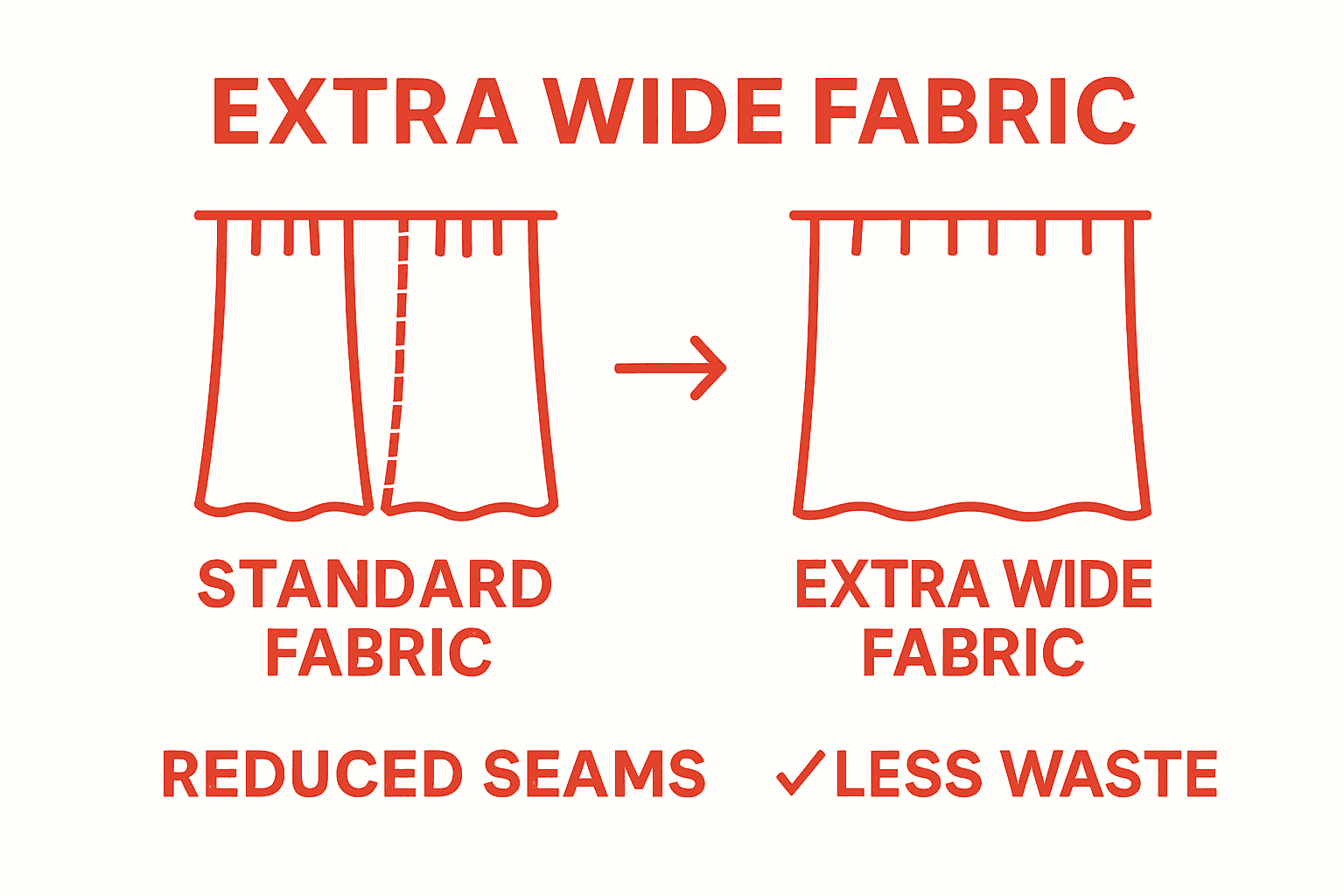
The cost effectiveness becomes particularly pronounced in high volume production environments where efficiency directly impacts profit margins.
Quilters, upholstery professionals, and fashion designers can streamline their workflows by selecting strategically sized fabrics.
Professional textile creators understand that fabric width dramatically influences design integrity. Extra wide fabrics allow for more intricate pattern matching, especially in complex projects like large scale drapery, architectural textile installations, and high end fashion garments.
By eliminating multiple seam intersections, designers maintain visual continuity and enhance the overall aesthetic quality of their final products. The expanded width provides a canvas that supports more sophisticated design conceptualization and execution.
Understanding and leveraging extra wide fabric characteristics empowers designers to push creative boundaries while maintaining technical precision and economic efficiency.
Extra wide fabric transcends traditional textile limitations, offering remarkable versatility across diverse project domains. By understanding its unique capabilities, creators can strategically leverage these expansive materials to achieve exceptional design outcomes.
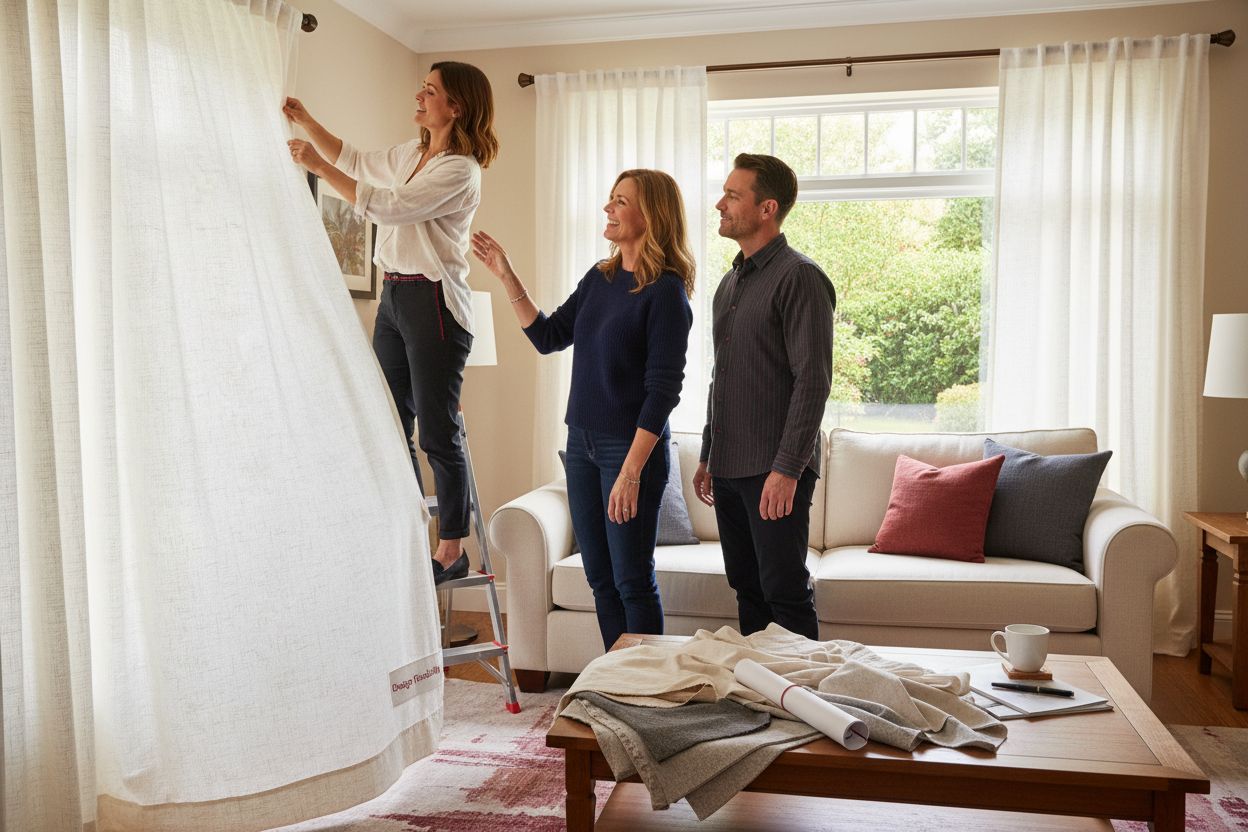
Interior design professionals leverage extra wide fabrics to create seamless, elegant window treatments and upholstery solutions. According to Textile Industry Research, these fabrics enable designers to craft large scale draperies and curtains without unsightly horizontal seam interruptions.
Key interior design advantages include:
Quilters and textile artists find exceptional value in extra wide fabrics. These materials provide continuous surfaces that eliminate the need for complex piecing techniques. Artists can develop more intricate, uninterrupted design patterns, especially when working on large format quilts or wall hangings.
The broader fabric width allows for more creative freedom, enabling artists to maintain design integrity across larger textile compositions. Precise pattern alignment becomes significantly easier when working with expansive fabric surfaces.
Fashion designers utilize extra wide fabrics to create dramatic, flowing garments with minimal seam interference. Particularly in haute couture and avant garde design, these textiles enable the creation of voluminous dresses, capes, and architectural clothing pieces that demand substantial fabric real estate.
Professional fashion creators appreciate how extra wide fabrics facilitate:
By understanding the nuanced applications of extra wide fabrics across different creative domains, designers can unlock innovative approaches to textile design and construction.
Understanding the foundational principles of extra wide fabric requires examining the technical and design considerations that make these textiles uniquely valuable across multiple creative disciplines. These conceptual frameworks transform how designers approach material selection and project execution.
Structural performance represents a critical consideration in fabric selection. According to Textile School Research, extra wide fabrics provide superior structural integrity by minimizing seam intersections that can compromise material strength and visual consistency.
Key structural advantages include:
Economic considerations drive the strategic adoption of extra wide fabrics. Designers and manufacturers recognize that broader textile surfaces translate directly into improved production efficiency. By reducing the time and labor required for fabric joining, creators can streamline their design and manufacturing processes.
The efficiency gains become particularly pronounced in high volume production environments where material optimization directly impacts economic outcomes. Textile professionals can reduce waste, minimize labor costs, and accelerate project completion timelines.
Beyond practical considerations, extra wide fabrics enable more sophisticated design conceptualization. Designers can maintain intricate pattern alignments, create more expansive visual compositions, and explore design possibilities that standard width fabrics cannot accommodate.
The expanded fabric surface provides a continuous canvas that supports:
By comprehending these fundamental concepts, creators can strategically leverage extra wide fabrics to push the boundaries of design innovation and technical textile performance.
Extra wide fabric serves as a transformative material across numerous professional and creative domains, offering unprecedented solutions for complex design challenges. Its versatility extends far beyond traditional textile applications, providing innovative opportunities in multiple sectors.
Commercial spaces demand sophisticated textile solutions that balance aesthetics with functional performance. According to Textile Industry Insights, extra wide fabrics enable designers to create seamless wall coverings, expansive curtains, and large scale upholstery without visible seam interruptions.
Key applications in hospitality environments include:
Architectural designers and stage production professionals leverage extra wide fabrics to create immersive environmental experiences. These textiles allow for dramatic, uninterrupted visual landscapes that transform spaces through continuous material surfaces.
Performance venues utilize extra wide fabrics for:
Beyond aesthetic applications, extra wide fabrics play crucial roles in specialized technical environments. Medical facilities, research laboratories, and industrial settings require textiles that provide comprehensive coverage with minimal structural interruptions.
Advanced textile applications include:
Medical privacy screen manufacturing
Specialized protective equipment development
Laboratory clean room textile solutions
Advanced protective material engineering
By understanding these practical applications, creators can strategically implement extra wide fabrics to solve complex design and functional challenges across diverse professional domains.
The following table highlights the different professional fields and specific uses where extra wide fabric provides distinct advantages, making it easier to see its versatility across applications.
| Professional Field | Main Applications | Benefits of Extra Wide Fabric |
|---|---|---|
| Home Decor & Interior Design | Curtains, drapery, upholstery | Seamless look, easier installation |
| Quilting & Textile Arts | Large quilts, wall hangings | Intricate patterns with fewer interruptions |
| Fashion & Garment Construction | Dresses, coats, capes | Less fabric joining, continuous patterns |
| Hospitality & Commercial Interiors | Hotel drapery, wall coverings, acoustic treatments | Uniform design, reduced seam lines |
| Architecture & Performance Spaces | Stage backdrops, screening, environmental set designs | Expansive coverage, dramatic visual impact |
| Medical & Technical Industries | Privacy screens, protective equipment, cleanroom textiles | Full coverage, improved hygiene and safety |
Are you struggling with pattern interruptions, unnecessary seams, or wasted material in your creative projects? The article highlights how challenges like these can stall your vision and waste valuable resources, whether you are a quilter, interior designer, or fashion creator. Choosing extra wide fabric addresses these problems by offering broader coverage, smoother finishes, and more efficient workflows. If you want to realize your designs the way you imagine them, you deserve textiles that meet these high standards.
Take control of your creative process today. Visit Fabric-Fabric.com to discover an extensive selection of quality extra wide fabrics for apparel, home decor, quilting, and crafts. Each listing includes comprehensive descriptions, clear usage suggestions, and up-to-date pricing so you can quickly find the perfect solution for your project. With exclusive discounts, seasonal sales, and a seamless shopping experience, Fabric-Fabric.com makes it easy to start building with fabrics that help you achieve your full creative potential. Shop now and experience the confidence of working with materials that bring your boldest ideas to life.
Extra wide fabric typically measures between 90 to 135 inches in width, compared to standard fabrics that range from 45 to 60 inches. This increased width allows for larger projects and reduces the need for seams, providing a more seamless look and greater design flexibility.
Extra wide fabric is ideal for home decor because it allows for uninterrupted visual aesthetics, making it perfect for large window treatments or upholstery. It simplifies the design process by reducing the complexity of fabric joining and minimizing waste during cutting.
Extra wide fabric enhances efficiency by allowing designers to cut larger pattern pieces without needing to piece smaller sections together. This reduces labor time and material costs, especially in high-volume production environments where efficiency is crucial for maximizing profit margins.
Yes, extra wide fabric is highly beneficial for quilting and garment construction. It provides a continuous surface for intricate patterns, simplifies cutting, and allows for seamless designs in clothing, making it a versatile choice for various textile arts.