

 Canadian Dollars

Understanding Fabric Care Basics for All Textiles
Posted by BLG on 2025 Sep 5th
Posted by BLG on 2025 Sep 5th

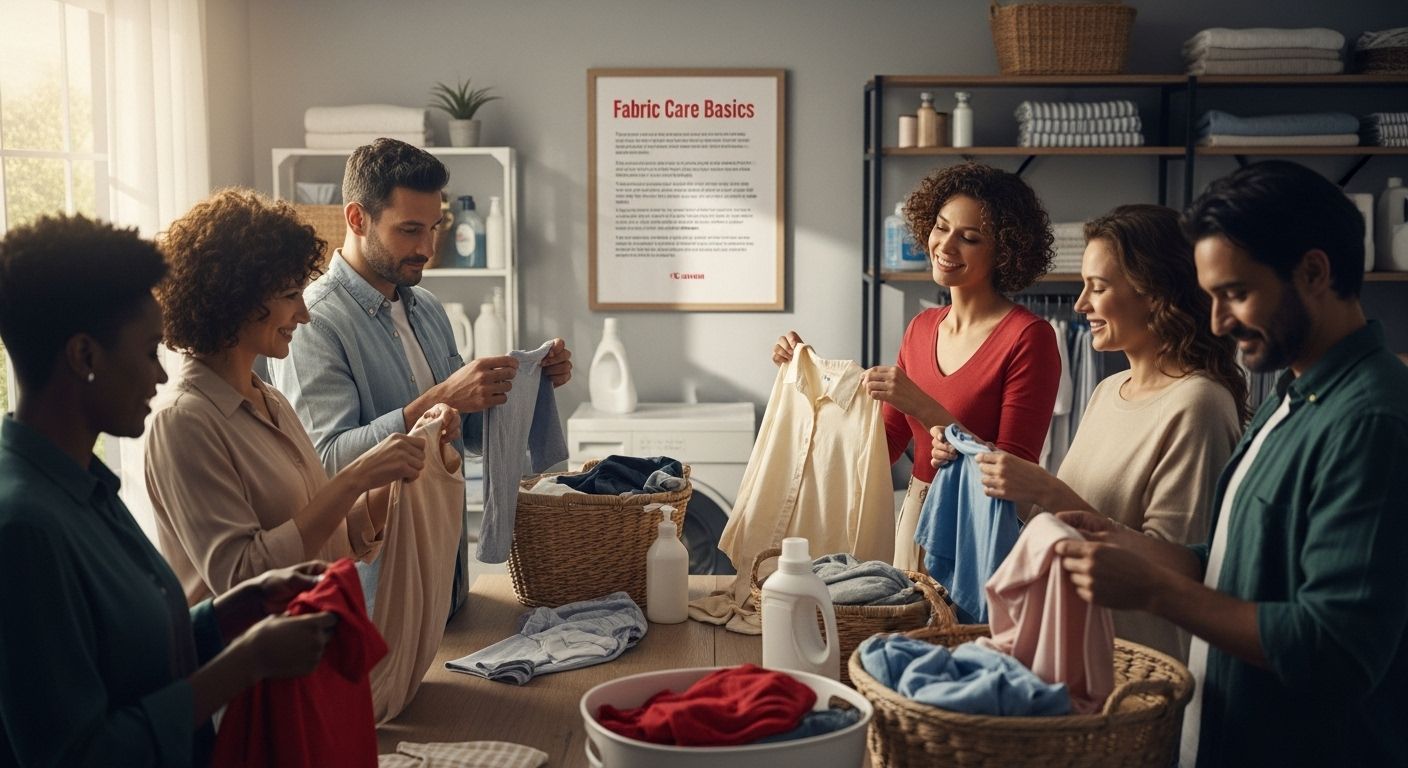
Most people think fabric care just means tossing clothes in the washer and hoping for the best. But the real story is much bigger. Proper fabric care can save you hundreds, and actually extends your clothing’s life by years—making your favorite shirts last up to 30 percent longer. Turns out, a few simple changes in how you treat your textiles could protect your wallet and help the planet at the same time.
| Takeaway | Explanation |
|---|---|
| Understand fabric types for proper care | Different fabrics have unique properties that dictate specific cleaning methods. Knowing the type helps maintain quality. |
| Use appropriate cleaning agents | Choosing compatible detergents and understanding their chemical interactions can protect fabric integrity during cleaning. |
| Manage environmental conditions | Exposure to light, humidity, and pollutants can degrade textiles. Proper storage can significantly extend their lifespan. |
| Adopt sustainable fabric care practices | Proper care reduces the need for replacement, minimising environmental impact and promoting a more sustainable fashion approach. |
| Perform regular maintenance on textiles | Periodic assessments and gentle handling can prevent long-term damage, ensuring textiles remain in good condition for years. |
Fabric care basics represent the foundational knowledge required to maintain textile quality, preserve garment appearance, and extend the functional lifespan of clothing and household textiles. Understanding these principles goes far beyond simple washing techniques.
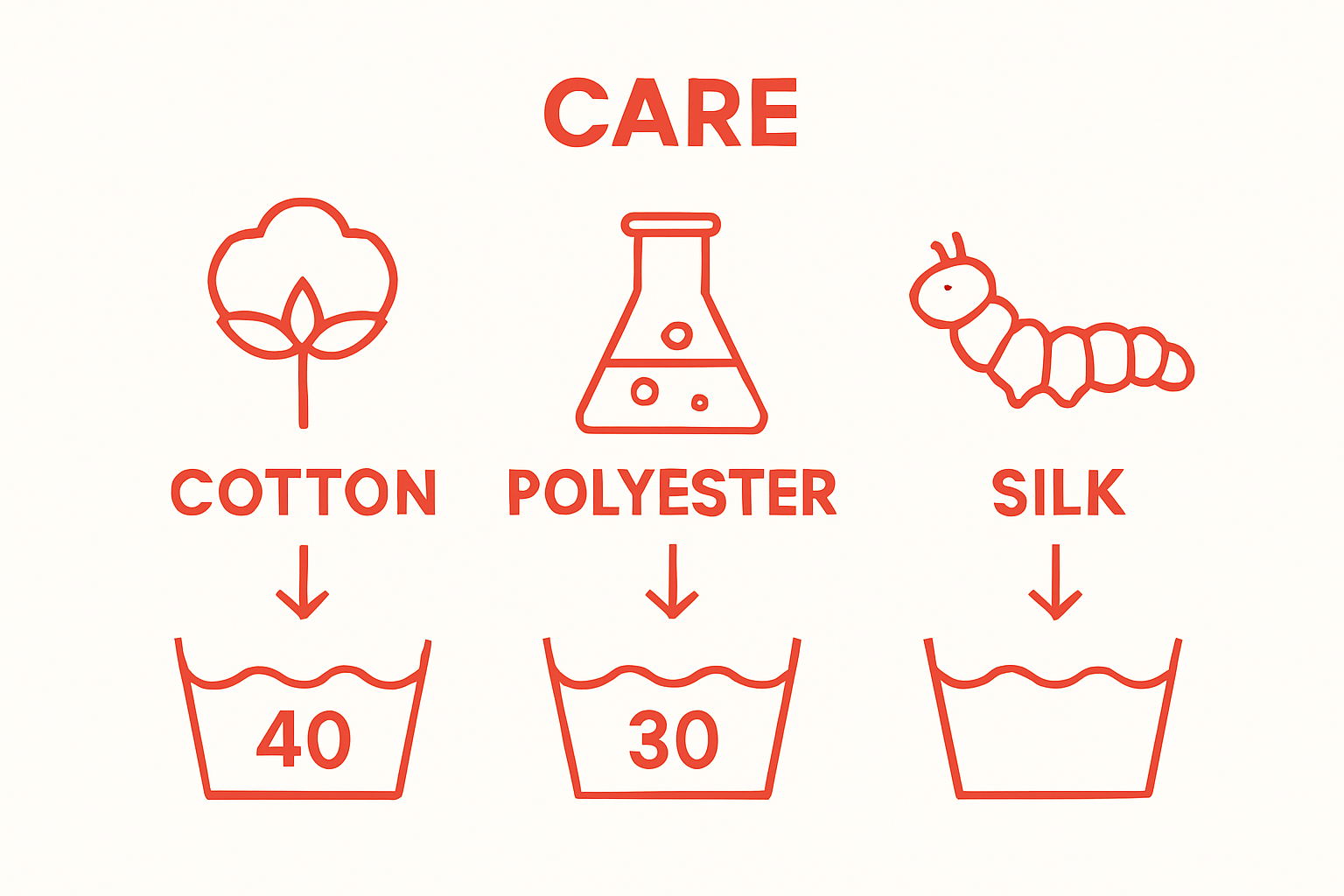
Every textile has unique characteristics that determine its care requirements. Fabric composition plays a critical role in determining appropriate cleaning and maintenance strategies. Natural fibers like cotton and silk require different handling compared to synthetic materials such as polyester or nylon.
According to The Cleaning Institute, textile preservation involves multiple strategic considerations:
Improper textile maintenance can lead to significant consequences. Fabrics exposed to incorrect cleaning methods experience accelerated degradation, color fading, structural weakness, and potential permanent damage. Professional textile conservationists emphasize that preventative care is substantially more cost effective than replacement.
Key reasons to prioritize fabric care include:
By investing time in understanding fabric care basics, consumers transform from passive clothing owners to proactive textile managers. This knowledge empowers individuals to make informed decisions about cleaning, storing, and maintaining their textile collections, ultimately saving money and supporting sustainable consumption practices.
Fabric science represents a complex intersection of chemistry, material engineering, and textile manufacturing. Understanding the molecular structure and inherent properties of different fabric types is crucial for developing precise care strategies that preserve textile integrity and performance.
Textile fibers are categorized into distinct groups based on their origin and chemical composition. Natural fibers like cotton, wool, and silk possess unique molecular structures that determine their thermal, moisture absorption, and durability properties. Synthetic fibers such as polyester and nylon are engineered to provide specific performance characteristics.
According to Scientific Research on Materials, polyester fibers demonstrate remarkable chemical resilience:
Each fabric type exhibits unique mechanical and thermal properties driven by its molecular architecture. Fabric structure significantly influences characteristics like strength, flexibility, and heat transfer. Synthetic materials often provide enhanced durability compared to natural fibers, with polyester demonstrating superior bursting strength across various textile configurations.
Key factors influencing fabric performance include:
By comprehending the scientific principles underlying different fabric compositions, textile professionals and consumers can develop more sophisticated approaches to fabric maintenance, ensuring longer-lasting and better-performing garments and textiles.
The following table compares key characteristics and care needs for different fabric types mentioned in the article.
| Fabric Type | Composition | Key Characteristics | Recommended Care Practices |
|---|---|---|---|
| Cotton | Natural fiber | Absorbent, soft, prone to wrinkling | Gentle wash with mild detergent, avoid high heat |
| Silk | Natural protein fiber | Delicate, lustrous, sensitive to heat | Hand wash or delicate cycle, cold water, air dry |
| Wool | Natural protein fiber | Insulating, moisture-wicking, sensitive | Gentle wash, avoid agitation, air dry flat |
| Polyester | Synthetic fiber | Durable, resists stretching and shrinking | Machine washable, tolerates higher temps, low iron |
| Nylon | Synthetic fiber | Strong, abrasion-resistant, quick-drying | Machine wash cold, avoid high heat, air dry |
Fabric care involves a complex interplay of chemical reactions and physical interactions that can dramatically impact textile quality, durability, and appearance. Understanding these intricate factors allows for more precise and effective textile maintenance strategies.
Environmental conditions play a critical role in fabric preservation. Exposure to various external elements can accelerate textile deterioration through multiple mechanisms. Temperature, humidity, light exposure, and atmospheric pollutants interact with fabric fibers at a molecular level, causing gradual but significant changes in material structure.
According to The George Washington University Museum, textiles are vulnerable to several environmental threats:
Chemical processes during washing and cleaning can fundamentally alter textile properties. Cleaning agents introduce complex molecular interactions that can either protect or damage fabric structures. Different fabric compositions respond uniquely to chemical treatments, making understanding their specific reactions crucial for effective care.
Key chemical factors influencing fabric maintenance include:
By comprehending these sophisticated chemical and physical interactions, textile owners can develop more nuanced and scientifically informed approaches to fabric care, ultimately extending the lifespan and preserving the quality of their textiles.
This table summarizes major environmental and chemical factors affecting fabric care and explains their impact on textile preservation.
| Factor | Description | Impact on Fabrics |
|---|---|---|
| Ultraviolet Radiation | Sunlight exposure | Causes color fading and fiber breakdown |
| Humidity | Moisture in the air | Promotes mold and mildew, weakens fibers |
| Temperature Fluctuations | Changes in heat and cold | Creates structural stress, can distort shapes |
| Dust & Particulates | Micro-debris settling on fabric surfaces | Abrades fibers, accelerates wear |
| Cleaning Agents (pH) | Detergent or solution acidity/alkalinity | Can damage or preserve fibers depending on balance |
| Oxidation/Reduction | Chemical reactions during cleaning | May cause discoloration or fiber degradation |
Fabric care techniques represent a sophisticated system of preservation strategies designed to maintain textile quality, appearance, and structural integrity. These methods go beyond simple cleaning, encompassing a comprehensive approach to textile maintenance that considers the unique characteristics of different fabric types.
Textile cleaning involves intricate processes that extend far beyond surface-level dirt removal. Different fabric compositions require specialized approaches to prevent damage and maintain their original properties. Temperature, agitation, and chemical interactions play crucial roles in determining the effectiveness and potential risks of cleaning techniques.
According to The Cleaning Institute, effective fabric care requires strategic considerations:
Beyond standard cleaning, textile preservation involves advanced techniques that protect fabrics from environmental and mechanical degradation. Protective treatments can include specialized coatings, storage methods, and preventative maintenance approaches that extend fabric lifespan and maintain its original aesthetic and functional qualities.
Key preservation strategies encompass:
By understanding the nuanced implications of different fabric care techniques, textile owners can develop comprehensive maintenance strategies that protect their valuable textiles, preserve their quality, and extend their functional lifespan.

Sustainable fashion transcends mere aesthetic considerations, demanding a holistic approach that integrates responsible textile maintenance, environmental consciousness, and strategic resource management. Fabric care emerges as a critical component in reducing textile waste and minimizing the fashion industry’s ecological footprint.
Textile longevity directly correlates with sustainable consumption practices. By extending the functional lifespan of garments through proper care, consumers can significantly reduce the demand for new clothing production. This approach minimizes raw material extraction, reduces manufacturing energy consumption, and decreases the volume of textiles entering landfill systems.
According to Oberlin University’s Environmental Sustainability Research, sustainable fabric care involves:
Proper fabric maintenance represents an intersection of economic prudence and environmental responsibility. Garment preservation becomes a strategic approach to consuming fashion more conscientiously. By investing time and effort in textile care, individuals can mitigate the substantial environmental costs associated with rapid fashion consumption.
Key sustainability principles in fabric care include:
By reimagining fabric care as an essential sustainability practice, consumers can transform their relationship with textiles, moving from passive consumers to active environmental stewards who recognize the profound ecological implications of their maintenance choices.
Struggling to keep your textiles vibrant and long-lasting, even after learning the science behind fabric care? Knowing the basics is just the start. The real secret is using the right materials for your projects—ones that match your cleaning and preservation goals. Whether you need durable cottons, delicate silks, or easy-to-care-for polyesters, the right fabric selection makes all the difference in maintenance and longevity. Explore our wide range of options at fabric-fabric.com and shop with confidence, knowing that every product page includes care details to help you preserve the quality of your purchase.

Discover the satisfaction of tackling fabric care challenges from the start. Shop our full fabric collection and elevate your fabric care routine with materials tailored for easy maintenance. Take the next step now and give your projects, wardrobe, or business the quality they deserve. Visit fabric-fabric.com and make lasting fabric care a part of your everyday.
Fabric care basics involve understanding the unique characteristics of different textiles, including fiber composition, washing temperatures, compatible cleaning agents, drying techniques, and storage methods to maintain quality and extend the lifespan of fabrics.
Proper fabric care is crucial for extending the longevity of garments, maintaining aesthetic quality, preserving financial investments in clothing, and reducing environmental waste associated with premature disposal of textiles.
Different fabric types require tailored cleaning methods. For instance, natural fibers like cotton and silk need gentler handling and specific washing temperatures, while synthetic fibers like polyester and nylon can withstand harsher conditions without damage.
Environmental factors such as ultraviolet radiation, humidity, temperature fluctuations, and pollutants can accelerate the degradation of fabrics. Understanding these factors helps in developing effective storage and maintenance strategies.