

 US Dollar

110–160 GSM Quilting Cotton: Shopper Benchmarks for Quilters
Posted by BLG on 2026 Sep 14th
Posted by BLG on 2026 Sep 14th

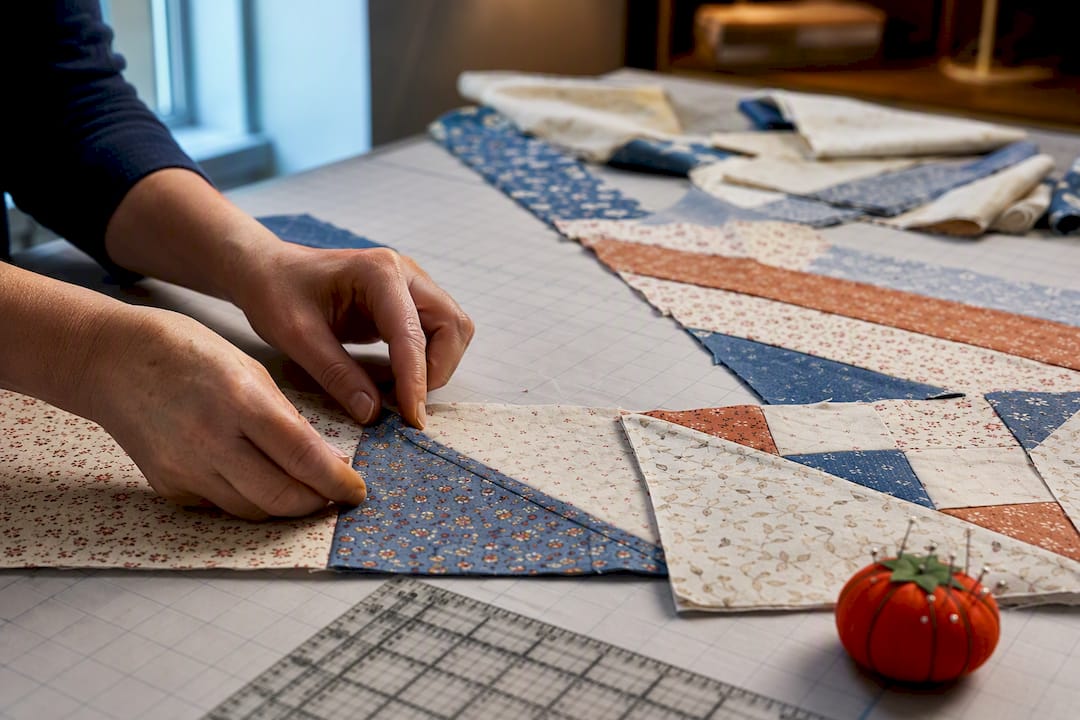
Quilting weight cotton is a medium-weight, plain-weave, 100% cotton fabric built for precise piecing and durable quilts, not for garments that need to move with the body. It works best for patchwork, quilted bags, and structured home decor items. If you’re eyeing a flowy dress or swimwear, keep reading before you buy the wrong bolt.
TL;DR:
- Quilting cotton typically ranges from 110 to 160 GSM with a thread count near 68x68, balancing durability and softness for piecing and structured projects.
- It is best suited for patchwork, quilted bags, home decor, and structured garments, but it lacks the drape needed for flowy dresses or knitted clothing.
- When buying, verify weight and thread count, check for even dye saturation, straight grain, and absence of defects like uneven printing or irregular yarn slubs.
- Prewash on cold to minimize shrinkage, press with light steam, and store in a cool, dark place to preserve fabric quality over time.
- Organic or low-impact quilting cotton is increasingly popular, with certifications like OEKO-TEX and natural dye processes offering more sustainable options.
Quilting cotton gets its stability from a plain weave, sometimes called a tabby weave, where the weft thread passes over and under the warp thread in a simple grid. That structure is why quilting cotton doesn’t stretch diagonally the way a jersey knit does, and why it holds a pressed seam instead of springing back.
Weight is where most confusion starts. Quilting cotton typically falls in the 110 to 140 GSM range, though some sources place standard bolts closer to 140 to 160 GSM, or roughly 4 to 5 ounces per square yard. Both figures describe the same middle ground: heavier than a cotton lawn or voile used for blouses, lighter than canvas or denim used for structured bags.
Quick benchmark: most everyday quilting cotton lands between 110 and 160 GSM, with 68x68 threads per square inch cited as a common sweet spot for balancing body and softness.
Thread count matters almost as much as GSM. A tighter weave (higher thread count) resists fraying and holds crisp points on triangles and stars. A looser weave feels softer in the hand but frays faster during piecing.
A few other properties worth knowing before you cut into a yard:
Quilting cotton earns its name honestly. It performs best in projects where structure and stitch accuracy matter more than movement.
It struggles in a few predictable places. Draped garments like bias-cut dresses or gathered skirts look stiff and papery in quilting cotton, since the fabric lacks the drape of true apparel cotton. Skip it for swimwear and knits entirely; there’s no stretch to work with. And for heavy upholstery, quilting cotton is often too light to hold up to the abrasion a sofa cushion takes daily.
Pro Tip: If you want to sew garments with quilting cotton, pick patterns written for “quilting cotton” or “cotton lawn” specifically, and size up slightly since the fabric won’t ease around curves the way a knit or rayon would.
For piecing, precise quarter-inch seam allowances and a dry iron press (not a swipe) keep points sharp. Cotton batting pairs naturally with quilting cotton since both shrink at similar rates in the wash.
Buying quilting cotton, whether from a bolt in a store or a listing online, comes down to a handful of checks that take less than a minute each.
Start with the two numbers that matter most: GSM (or oz/sq yd) and thread count. For general quilting, aim for fabric in the 110 to 160 GSM band with a thread count near 68x68. Fabric below that range tends to feel flimsy for piecing; fabric above it gets bulky in seam allowances, especially where multiple blocks intersect.
Poly-cotton blends resist wrinkling and can be cheaper, but they press less crisply and can shrink unevenly against a 100% cotton backing or binding.
Beyond weight and fiber content, check these before committing to yardage:
In person, three quick tests tell you a lot. Hold the fabric up to a light source; a tight weave shows small, even gaps, while a loose weave shows larger or irregular ones. Crunch a handful in your fist and let go. Fabric with good body springs back into shape rather than staying wrinkled. Pull gently along the grain in both directions. It should resist stretching in both the lengthwise and crosswise grain, confirming a true plain weave.
Shopping online removes the hands-on test, so lean on the listing itself. Retailers like Stone Mountain & Daughter Fabrics list designer, content, width, and weight as standard filters, which mirrors exactly what you’d check in person. Request a swatch when the site offers one, and read the return policy before ordering yardage for an entire quilt top.
| What to check | Target for quilting | Why it matters |
|---|---|---|
| Weight (GSM) | 110 to 160 GSM | Balances body and softness for piecing |
| Thread count | Around 68x68 | Resists fraying, holds sharp points |
| Fiber content | 100% cotton | Predictable shrinkage and pressing |
| Width | 42 to 44 inches | Standard yardage calculations |
Getting quilting cotton ready for a project, and keeping it in good shape afterward, comes down to a short sequence most experienced quilters follow without thinking twice.
Thread weight deserves its own attention. 50wt thread is the standard for piecing because it’s fine enough to keep seams flat and nearly invisible. 40wt is thicker and better suited to visible quilting stitches, where you want the stitch line to show as part of the design. As a rule, bobbin thread should match the top thread’s weight or run slightly finer, which keeps tension even on both sides of the fabric. Pair 50wt thread with a size 75/11 needle for piecing, and size up to 90/14 for 40wt quilting thread.
An online fabric retailer sells fabric by the yard across many categories, including quilting cotton, velvet, and canvas, with product pages that list content, width, and weight to help shoppers compare bolts. That kind of detail matters more than marketing copy when you’re trying to match a fabric to a pattern.
This guide was written by kev, who covers fabric selection and quilting fundamentals for the site’s blog.
A few internal resources worth bookmarking if you want to go deeper:
Not every bolt of quilting cotton is created equal, and a few defects show up often enough to be worth checking for before you cut a single piece.
Off-grain printing is the most common issue. If the printed pattern runs at an angle to the actual weave, blocks will look slightly twisted no matter how carefully you cut, since you’re forced to choose between cutting on-grain (pattern looks off) or cutting to the pattern (grain runs crooked). Hold fabric up and check whether a stripe or grid print lines up with the selvage edge.
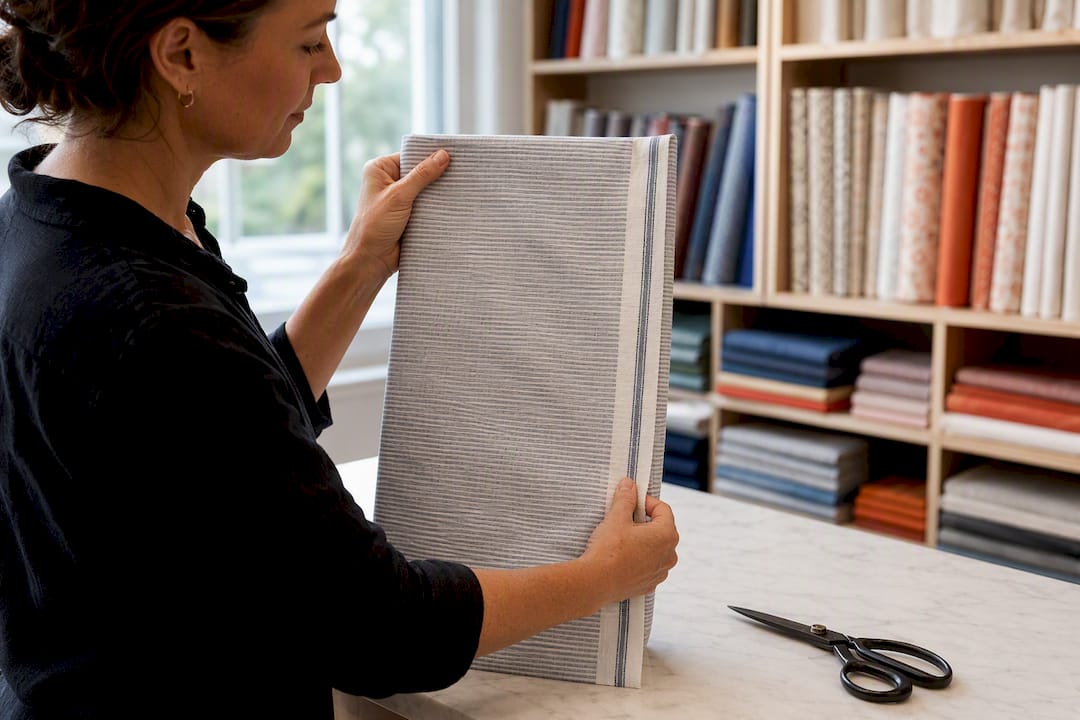
Uneven dye saturation shows up as streaking or lighter patches within a single color, usually from inconsistent dye application during manufacturing. It’s most visible on solids and low-contrast prints.
Slubs and weave irregularities, small thick spots or thin patches in the yarn, can weaken a seam line if they land right where you’re stitching. Run a hand across the fabric surface; you should feel a smooth, even texture.
Fold lines and shelf creases that won’t press out after ironing usually mean the fabric sat folded in storage too long, and the crease can weaken the fiber along that line permanently.
Finally, check for selvage information. Missing or unclear selvage printing sometimes signals an off-brand mill run with less consistent quality control than a named quilting-fabric manufacturer. None of these defects are dealbreakers on their own, but two or three together on the same bolt are a reason to ask for a different cut.
Conventional cotton farming uses a substantial amount of water and pesticide input compared to some other natural fibers, which has pushed a growing share of quilting fabric buyers toward organic and lower-impact alternatives.
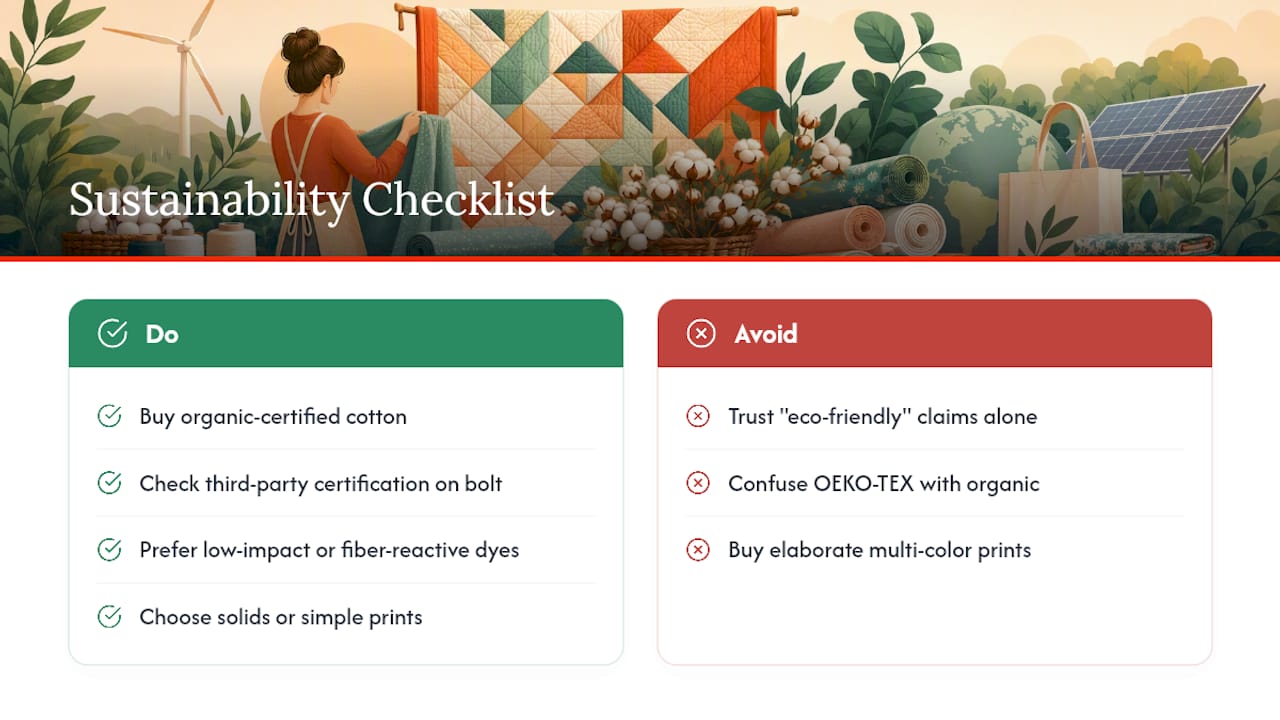
Organic quilting cotton is grown without synthetic pesticides or fertilizers, and it’s usually certified by a third-party standard rather than a manufacturer’s own claim. Look for certification language on the bolt end or product listing rather than taking “eco-friendly” phrasing at face value, since that term carries no legal definition on its own.
Dye process is the other half of the sustainability picture. Low-impact and fiber-reactive dyes bond more efficiently with cotton fibers, which means less dye runoff during manufacturing compared to older dye methods. Some quilting cotton lines also use OEKO-TEX certification, which tests the finished fabric for harmful substances rather than certifying the growing process, so it’s a different (and complementary) signal from organic certification.
For quilters who prioritize sustainability, buying from smaller print runs and choosing solids or simpler prints can also reduce dye and water use compared to elaborate multi-color designs, since more colors generally mean more dye baths in production. None of this changes how the fabric performs on the cutting table. It’s a separate decision layer that some shoppers weigh alongside GSM and thread count, not instead of them.
Most advice on quilting cotton stays vague on purpose: “medium weight,” “good for beginners,” “versatile.” That vagueness is the problem. A GSM range and a thread count are checkable facts, and once you know 110 to 160 GSM and roughly 68x68 threads per inch describe a solid all-purpose quilting cotton, you stop guessing on every bolt you touch.
The conventional wisdom that garment sewers repeat, that quilting cotton is simply “too stiff” for clothing, oversimplifies things. It’s too stiff for draped clothing. Structured pieces do fine with it, and lighter-weight quilting cottons made specifically for apparel exist and behave differently on the body.
If there’s one thing readers should prioritize first, it’s thread weight over thread count when troubleshooting stitch problems. A puckered seam or a quilting line that looks too heavy usually traces back to mismatched thread weight, not fabric quality. Match 50wt to piecing and 40wt to visible quilting before blaming the fabric.
— kev
Skimming product descriptions on multiple sites to find fabric with the right GSM and thread count can be time-consuming. Some retailers list weight, content, and width directly on the product page for quilting cotton, allowing buyers to check key numbers before purchasing.

If your project leans toward home decor rather than a bed quilt, the home decor fabric collection covers medium-weight cottons sized for pillows, runners, and slipcovers. For anything that needs more structure, like a photo backdrop or a stiff-bodied bag, the backdrop fabrics category works from the same weight logic. Browse either category now, check the listed GSM against the benchmarks above, and order a swatch first if you’re unsure how a print will look at full size.
Quilting cotton is a specific medium-weight, plain-weave fabric usually 110 to 140 GSM, while “regular cotton” can mean anything from lightweight lawn to heavy canvas. Apparel cotton generally has more drape and less stiffness than standard quilting cotton.
It applies to design planning, not to weight or fiber content.
For piecing seams, 50wt cotton thread is the standard choice because it stays fine enough to keep seams flat and accurate. For visible quilting stitches meant to show as part of the design, 40wt is the better choice.
Yes, 40wt is a common and good choice for quilting stitches, especially when you want the stitching itself to be visible as texture or design. It’s thicker than 50wt, so it’s better suited to top stitching than fine piecing seams.
Yes, but stick to structured patterns like A-line skirts or boxy tops rather than draped or fitted garments, since quilting cotton lacks the flow of true apparel-weight cotton. Lighter-weight quilting cottons labeled for apparel use will drape somewhat better than standard bolts.