

 Canadian Dollars

7 Essential Quilting Fabric Types You Need to Know
Posted by BLG on 2025 Sep 4th
Posted by BLG on 2025 Sep 4th

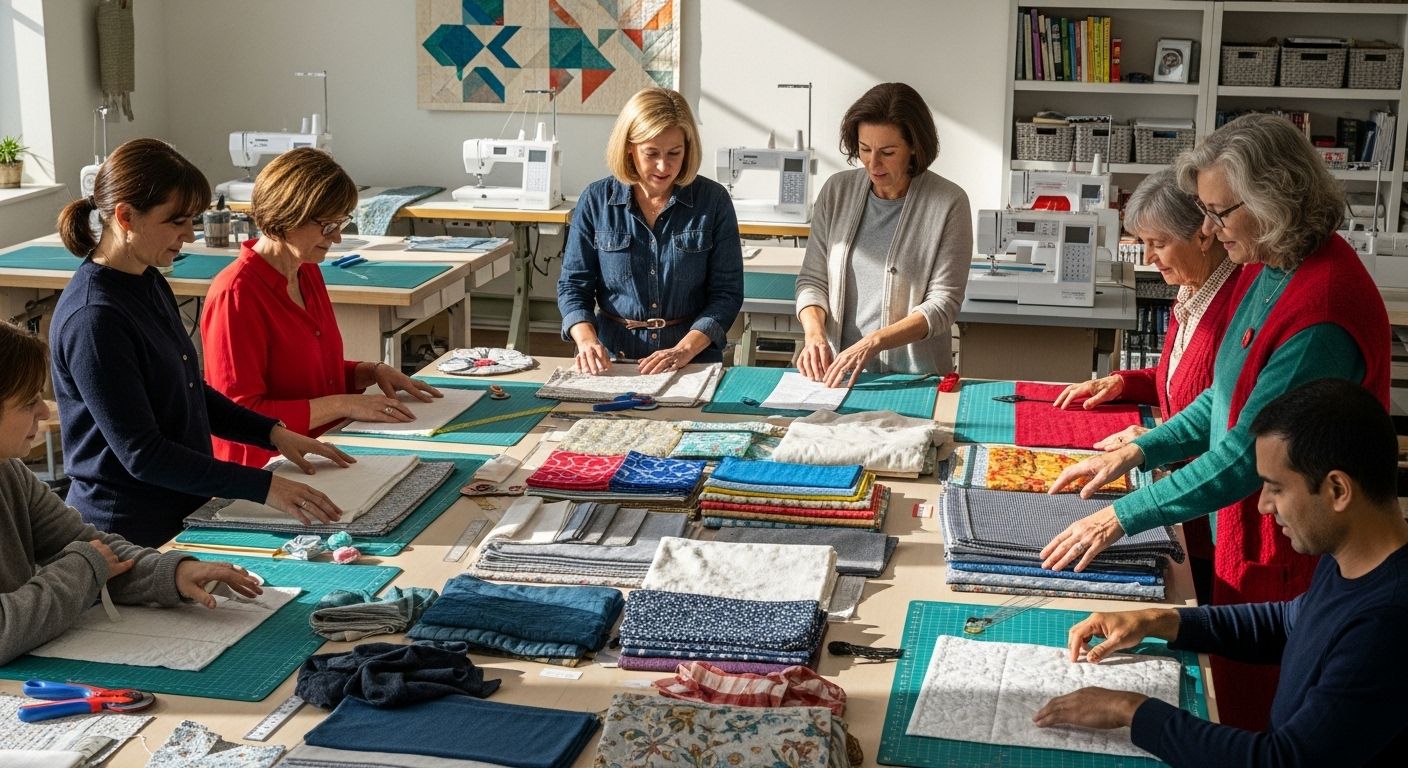
Quilting fabrics bring each project to life, turning simple patterns into cherished works of art. Most people think all quilting fabric is created equal, but that could not be further from the truth. In fact, quilting cotton typically boasts a high thread count and minimal stretch, making it far superior for durability and vibrant designs compared to everyday cotton. Knowing the difference changes everything about the quilts you make and the stories they can tell.
| Takeaway | Explanation |
|---|---|
| Cotton is the best quilting fabric choice. | Cotton offers comfort, durability, and versatility, making it a preferred material for quilters globally. |
| Batik fabrics tell cultural stories. | Batik embodies traditional artistry and intricate designs, enriching quilt projects with cultural narratives and visual depth. |
| Linen provides excellent durability and style. | Linen’s strength and aesthetic charm create quilts that maintain their beauty and durability over time. |
| Flannel adds warmth and comfort to quilts. | With its soft texture and heat retention, flannel transforms quilting projects into cozy and inviting pieces. |
| Synthetic fabrics are cost-effective options. | Synthetics like polyester provide durability and rich color choices at lower costs, making quilting accessible for budget-conscious crafters. |
Cotton stands as the quintessential quilting fabric, representing an ideal balance between comfort, durability, and versatility. When exploring quilting fabric types, cotton emerges as a fundamental material that quilters worldwide rely upon for creating stunning textile art and functional bedding.
Originally cultivated for thousands of years, cotton has transformed from a basic textile to a sophisticated crafting material. According to research from the USDA, cotton fibers possess remarkable characteristics that make them perfect for quilting.
Key properties that make cotton exceptional for quilting include:
Quilt enthusiasts appreciate cotton for its incredible versatility. The fabric comes in multiple weaves and weights, enabling crafters to select precisely the right material for their specific project. From lightweight quilting cottons to heavier canvas weights, cotton offers tremendous range.
Most cotton used in quilting undergoes specialized preparation, ensuring consistent quality and performance. Quilting cotton specifically refers to tightly woven 100% cotton fabric with a high thread count, designed explicitly for patchwork and quilt making. These fabrics typically feature crisp edges, minimal stretch, and vibrant print designs that hold color exceptionally well.
Understanding cotton’s cellular structure reveals why it performs so brilliantly in quilting. As scientific studies demonstrate, cotton is composed of over 90% cellulose, giving it remarkable moisture-wicking properties and structural integrity.
Whether you are a beginner or an experienced quilter, mastering cotton’s characteristics will dramatically improve your textile crafting skills. Its predictable nature, combined with aesthetic versatility, makes cotton the ultimate foundation for creating timeless, beautiful quilts that can be cherished for generations.
Batik fabric represents far more than a simple textile alternative in quilting. This extraordinary fabric embodies centuries of cultural storytelling, artistic expression, and intricate craftsmanship that transforms each quilting project into a narrative masterpiece.
Originating in Indonesia, batik is a sophisticated fabric creation technique where artists use wax resistance methods to create stunning, intricate patterns. According to the Smithsonian Magazine, batik transcends mere fabric production, serving as a profound medium of cultural communication and artistic heritage.
Key characteristics that distinguish batik fabrics include:
The batik creation process involves meticulously applying hot wax to fabric using specialized tools called tjanting or cap. Artisans strategically place wax to prevent specific areas from absorbing dye, resulting in complex, layered designs that tell visual stories passed through generations.
In quilting, batik fabrics offer exceptional versatility. Their tight weave and unique patterning make them ideal for creating visually dynamic quilt designs. Quilters appreciate batik for its ability to introduce complex visual textures and cultural narratives into traditional textile art forms.
Modern batik fabrics have expanded beyond traditional Indonesian techniques, incorporating contemporary design elements and global artistic influences. While maintaining their cultural roots, these fabrics now appeal to international crafting communities, bridging traditional techniques with contemporary aesthetic sensibilities.
When selecting batik for quilting projects, consider fabric weight, color saturation, and pattern complexity. Lightweight batiks work beautifully for intricate piecing, while heavier batiks provide stunning background or border designs.
Choosing batik fabrics transforms quilting from a simple craft into a global artistic dialogue, connecting makers with rich cultural traditions and celebrating textile artistry’s profound storytelling potential.
Linen stands as a remarkable quilting fabric that seamlessly blends historical craftsmanship with contemporary textile performance. Derived from the flax plant, this fabric represents an extraordinary material that transforms quilting projects with its unique characteristics and timeless appeal.
According to research from New Mexico State University, linen offers exceptional qualities that make it a preferred choice for discerning quilters seeking both durability and aesthetic elegance.
Significant attributes of linen in quilting include:
Linen’s molecular structure contributes to its extraordinary performance. The fabric’s fibers are longer and more rigid compared to cotton, which translates to enhanced structural integrity in quilting applications. This means quilts crafted with linen maintain their shape and appearance significantly longer than those made with softer, more pliable materials.
Textile weight plays a crucial role in linen’s quilting versatility. Lightweight linens work brilliantly for intricate piecing and delicate quilt designs, while heavier linens provide robust foundations for more structured quilting projects. Quilters appreciate linen’s ability to age gracefully, developing a soft patina that enhances its visual and tactile appeal over time.
Color absorption in linen presents another fascinating characteristic. The fabric accepts dyes remarkably well, allowing for vibrant, long-lasting color palettes that resist fading. This makes linen an excellent choice for quilters seeking rich, enduring color expressions in their textile art.
Modern linen fabrics often incorporate innovative treatments that address traditional limitations. Enhanced finishing techniques minimize wrinkkling and improve overall fabric stability, making contemporary linen even more attractive for quilting enthusiasts seeking both traditional craftsmanship and modern performance.
Choosing linen for quilting represents more than a material selection. It signifies a commitment to quality, sustainability, and textile artistry that transcends temporary trends, creating quilts destined to become cherished heirlooms.
Flannel represents the quintessential fabric of comfort in the quilting world, transforming ordinary textile projects into cozy masterpieces that invite warmth and relaxation. Far more than a simple material, flannel brings a unique texture and emotional resonance to quilting that few other fabrics can match.
According to research exploring textile characteristics, flannel’s exceptional properties make it a standout choice for quilters seeking both functionality and sensory pleasure.
Key characteristics that define flannel in quilting include:
Flannel’s distinctive manufacturing process sets it apart from other quilting fabrics. The fabric undergoes a specialized napping technique where fibers are deliberately raised, creating a plush, fuzzy surface that traps warmth and provides unparalleled softness. This unique texture makes flannel quilts feel like instant comfort, perfect for cold winter nights or creating heirloom pieces that provide emotional warmth.
Fabric weight plays a critical role in flannel’s quilting performance. Lighter weight flannels work beautifully for intricate piecing and delicate quilt designs, while heavier variants provide substantial warmth and structural integrity. Quilters appreciate flannel’s ability to blend traditional crafting techniques with modern comfort requirements.
Color and pattern options in flannel have expanded dramatically, moving beyond traditional plaids and solid colors. Contemporary flannel fabrics feature intricate designs, vibrant color palettes, and sophisticated prints that appeal to both traditional and modern quilting aesthetics.
When selecting flannel for quilting, consider its remarkable adaptability. Some flannels are made from cotton, others from wool, each offering slightly different characteristics. Cotton flannels tend to be softer and more breathable, while wool flannels provide superior insulation.
Choosing flannel for quilting is more than a material decision. It represents a commitment to creating textile art that wraps users in comfort, tells stories through texture, and transforms simple fabric into a sensory experience that connects generations.
Cotton sateen represents a luxurious quilting fabric that elevates textile crafting with its distinctive sheen and extraordinary softness. Unlike traditional cotton weaves, sateen offers quilters a unique fabric experience that combines visual elegance with exceptional tactile qualities.
According to textile documentation, sateen is distinguished by its specialized weaving technique that creates a remarkably smooth and lustrous surface, setting it apart from standard cotton fabrics.
Significant characteristics of cotton sateen include:
The sateen weave represents a precise textile construction method where multiple warp threads float over weft threads, typically following a four to one ratio. This intricate weaving process produces a fabric with a distinctive silky appearance and an incredibly smooth hand feel that quilters find irresistible.
Color performance in cotton sateen is particularly remarkable. The fabric’s unique weave structure allows for rich, deep color saturation that appears more vibrant and luminous compared to standard cotton weaves. This makes sateen an excellent choice for quilters seeking dramatic visual impact and nuanced color expressions.
Modern cotton sateen fabrics have evolved to offer enhanced performance characteristics. Manufacturers now incorporate technology that increases fabric durability, reduces potential shrinkage, and maintains the fabric’s signature softness through multiple wash cycles.
Quilt designers appreciate sateen’s versatility across different project types. Lightweight sateen works beautifully for intricate piecing and delicate quilt designs, while slightly heavier variants provide excellent backing and create stunning visual contrast when combined with matte fabrics.
Choosing cotton sateen for quilting transcends mere material selection. It represents an artistic statement, a commitment to creating textile art that combines technical precision with sensory luxury, transforming ordinary quilts into extraordinary expressions of craft and creativity.
Rayon emerges as a fascinating quilting fabric that blends synthetic innovation with natural fiber characteristics, offering quilters a material that defies traditional textile expectations. Derived from regenerated cellulose fibers, rayon represents a remarkable textile that bridges the gap between natural and manufactured fabrics.
Research exploring textile properties reveals that rayon’s unique molecular structure provides exceptional performance characteristics that intrigue quilting enthusiasts and textile designers alike.
Distinctive attributes of rayon in quilting include:
The manufacturing process of rayon sets it apart from traditional quilting fabrics. Created through a complex chemical transformation of wood pulp or cotton linters, rayon undergoes extensive processing that allows manufacturers to engineer specific performance characteristics. This means quilters can select rayon fabrics with precise weight, texture, and breathability requirements.
Color absorption in rayon presents another remarkable characteristic. The fabric accepts dyes with extraordinary vibrancy, allowing for rich, deep color palettes that maintain their intensity through multiple wash cycles. This makes rayon an excellent choice for quilters seeking dynamic, long-lasting color expressions.
Modern rayon fabrics come in various weights and compositions, from lightweight variants perfect for intricate piecing to heavier versions ideal for creating substantial quilt backings. Some contemporary rayon blends incorporate additional fibers like cotton or polyester, further enhancing the fabric’s performance and durability.
Quilt designers appreciate rayon’s versatility in creating textural complexity. Its unique ability to drape and flow allows for innovative design techniques that traditional cotton fabrics cannot easily achieve. The fabric’s subtle sheen and soft handle contribute an element of sophistication to quilting projects.
Choosing rayon for quilting represents more than a material selection. It signifies an embrace of textile innovation, a willingness to explore fabrics that challenge traditional boundaries and offer new creative possibilities in textile art.
Synthetic fabrics represent a revolutionary approach to quilting, offering budget-conscious crafters an affordable and versatile alternative to traditional natural fiber materials. These engineered textiles bring remarkable performance characteristics that challenge conventional expectations about cost and quality in textile crafting.
Research exploring eco-friendly fabric innovations reveals the extraordinary potential of synthetic fabrics in modern quilting applications.
Key advantages of synthetic quilting fabrics include:
Polyester emerges as the most popular synthetic quilting fabric, offering exceptional value and performance. Its molecular structure allows for remarkable color preservation, resistance to wrinkles, and minimal maintenance requirements. Quilters appreciate polyester’s ability to maintain crisp lines and structured designs without the high costs associated with natural fibers.
Modern synthetic fabrics have evolved dramatically, incorporating advanced technologies that address previous limitations. Contemporary manufacturing processes now produce synthetic quilting materials with improved breathability, softer textures, and more nuanced aesthetic qualities.
Color and pattern options in synthetic fabrics have expanded exponentially. Unlike traditional perceptions, today’s synthetic textiles offer intricate designs, vibrant color palettes, and sophisticated prints that rival natural fiber alternatives. This diversity allows quilters to explore creative expressions without significant financial investment.
Weight variations in synthetic fabrics provide additional versatility. Lightweight polyester works beautifully for delicate piecing and intricate quilt designs, while heavier variants offer substantial backing and structural integrity. Blended synthetic fabrics combining multiple fiber types further enhance performance and aesthetic appeal.
Choosing synthetic fabrics for quilting represents a strategic decision that balances economic considerations with creative potential. These materials democratize textile art, making sophisticated quilting accessible to crafters across different skill levels and financial backgrounds.
Below is a comprehensive table summarizing the seven essential quilting fabric types discussed in the article, highlighting their main characteristics, benefits, and ideal uses for quilters.
| Fabric Type | Key Characteristics | Main Benefits | Ideal Quilting Uses |
|---|---|---|---|
| Cotton | High thread count, minimal stretch, breathable | Durable, versatile, easy to care for | Foundation fabric for most quilt projects |
| Batik | Wax-resist dyeing, intricate patterns | Culturally rich, unique visual depth | Artistic quilts, adding cultural narratives |
| Linen | Strong, temperature regulating, eco-friendly | Exceptional durability, ages gracefully | Heirloom quilts, elegant designs |
| Flannel | Brushed surface, heat-retentive, soft | Warmth, comfort, moisture-wicking | Cozy quilts, winter blankets |
| Cotton Sateen | Glossy sheen, smooth, subtle drape | Luxurious feel, vibrant color, soft texture | Decorative quilts, statement pieces |
| Rayon | Breathable, drapable, vibrant color retention | Lightweight, mimics silk, innovative texture | Contemporary, flowing quilt designs |
| Synthetic (Polyester) | Durable, low cost, consistent color | Affordable, low maintenance, resilient | Budget-friendly and utility quilts |
You have just learned about the most essential quilting fabrics, from classic cotton to luxurious rayon. If you have ever struggled to find that perfect texture or color to express your vision, you know the frustration of settling for less than ideal materials. Your projects deserve fabrics with vivid color, lasting strength, and the right weight for your chosen style. At fabric-fabric.com, we understand that sourcing the right material is not just about convenience. It is about achieving quality, comfort, and creative satisfaction in every piece you make.
Ready to bring your quilting ideas to life? Visit our fabric-fabric.com homepage to explore our full selection tailored for both seasoned quilters and new creators. Every yard is carefully categorized so you can quickly browse, compare, and purchase what you need. Take this opportunity to upgrade your next project with the fabrics trusted by creators nationwide. Shop now for the best selection and see how the right fabric makes all the difference.
Cotton is praised for its natural breathability, soft texture, high durability, and easy maintenance. It is versatile, available in various weaves and weights, making it perfect for quilting projects.
Batik fabric features intricate patterns created using a wax-resist dyeing technique. This results in unique designs and rich color saturation that add depth and cultural narratives to quilting projects compared to standard cotton fabrics.
Linen offers remarkable strength, natural temperature regulation, and exceptional moisture-wicking capabilities. Its unique properties help quilts retain their shape longer and develop a beautiful patina over time.
Synthetic fabrics, particularly polyester, offer budget-friendly options with enhanced durability and consistent color retention. They are versatile and available in various weights, making them suitable for different quilting projects.
Quilting cotton-By the yard
Disney Quilting cotton
Camelot quilting cotton
fabric fabric
fabric-fabric.com