

 US Dollar

Properties of Wool Fabric – How It Enhances Textile Projects
Posted by BLG on 2025 Dec 13th
Posted by BLG on 2025 Dec 13th


Most American shoppers still think wool means scratchy sweaters or coarse blankets, yet scientific research proves wool is far more versatile and comfortable than its reputation suggests. With over 5 million pounds of wool produced in the United States each year, this fabric remains a cornerstone of American textile innovation. Discover how advances in textile science and fiber processing have changed everything you thought you knew about wool, revealing new possibilities for fashion, durability, and daily use.
| Point | Details |
|---|---|
| Wool’s Unique Properties | Wool offers breathability, durability, moisture wicking, and antimicrobial properties, making it ideal for various textile projects. |
| Varieties of Wool | Different types of wool, such as Merino and Shetland, offer distinct characteristics suitable for diverse applications. |
| Maintenance Advantages | Wool’s self-cleaning and moisture management reduce maintenance needs, promoting longevity through proper care. |
| Comparative Benefits | Wool outperforms synthetic materials in thermal regulation, moisture control, and fire safety, highlighting its superior textile performance. |
Wool fabric represents a remarkable textile with extraordinary properties that challenge many preconceived notions about its performance and comfort. Unlike synthetic materials, wool offers a natural solution for textile projects that demand both functionality and aesthetic appeal. Understanding the science behind wool’s unique characteristics reveals why this fabric has remained a staple in textile manufacturing for generations.
Many people mistakenly believe wool is always rough, itchy, and uncomfortable. However, modern textile technologies have transformed wool into an incredibly versatile material with surprising softness and adaptability. From fine fashion garments to rugged outdoor wear, wool can be processed to meet diverse project requirements. The American Textile History Museum’s “Wonder of Wool” exhibit demonstrates how wool has evolved from coarse 19th-century carpet fibers to contemporary, supple fabrics that challenge traditional perceptions.
The core attributes of wool make it an exceptional choice for textile projects across multiple domains. Key features include:
Understanding these fundamental properties helps crafters and designers make informed decisions about incorporating wool into their projects, dispelling myths and unlocking its true potential as a superior textile material.
Wool is far from a one-size-fits-all textile, with numerous varieties offering unique characteristics for different textile projects. Wool types range from fine soft fibers to robust, textured materials, each bringing distinctive properties to fabric design and construction. Understanding these variations helps crafters and designers select the most appropriate wool for their specific needs.
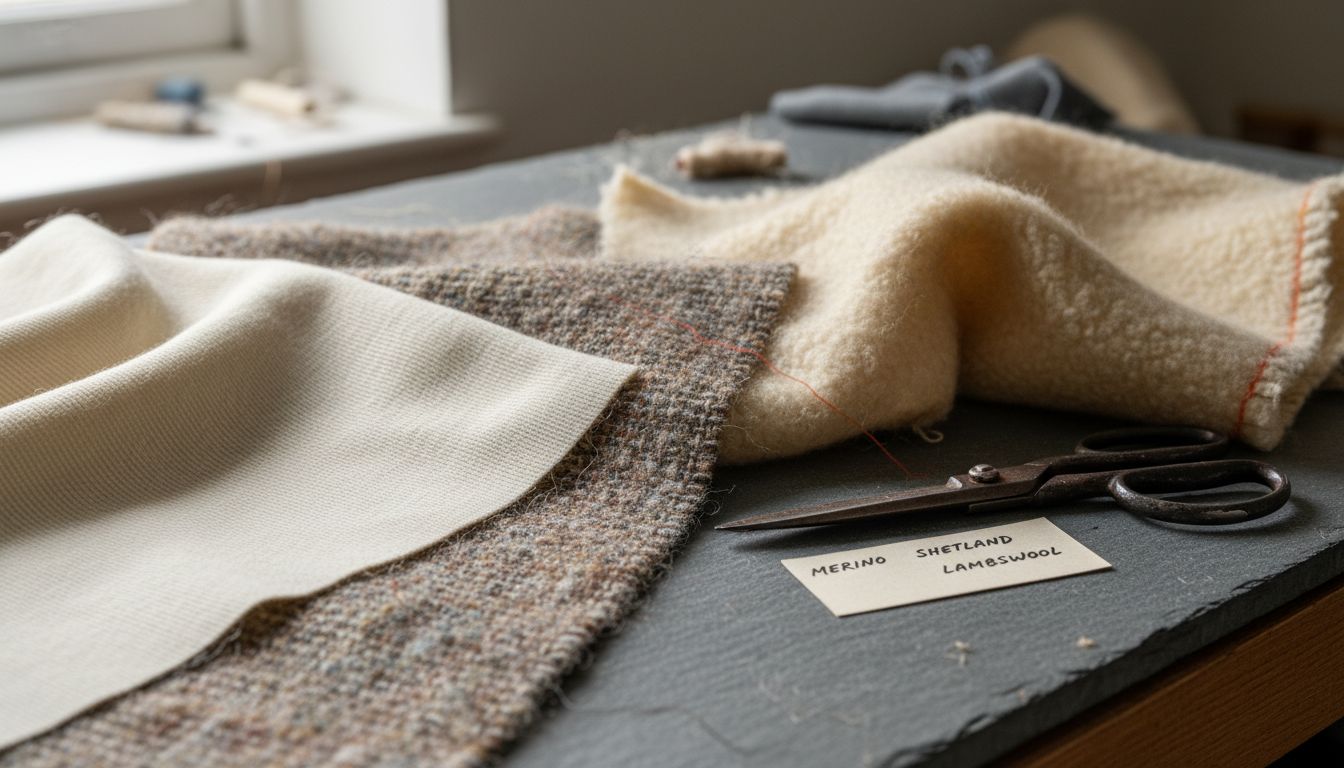
Traditional wool classifications include several primary categories that reflect the animal breed, fiber quality, and intended use. Textile experts typically categorize wool into specific groups, including fine, medium, long, crossbred, and carpet wools. For instance, Merino wool stands out as a premium option, renowned for its exceptional softness and incredible versatility. Spanish Merino, Southdown, and Scottish Blackface represent notable examples that demonstrate the incredible diversity within wool textile production.
Wool varieties can be distinguished by several key characteristics:
These diverse wool types enable textile professionals and hobbyists to select materials precisely matched to their project requirements, whether creating delicate fashion pieces or robust industrial textiles. Understanding wool’s nuanced variations transforms fabric selection from a guessing game into a strategic design decision.
Wool fibers represent a remarkable textile material with complex molecular properties, primarily composed of keratin protein that delivers exceptional performance across multiple applications. These intricate fibers go far beyond simple fabric construction, offering a sophisticated blend of natural characteristics that make wool an extraordinary textile choice for discerning designers and crafters.
The molecular structure of wool provides an impressive array of functional benefits that set it apart from synthetic alternatives. Thermal regulation stands out as one of wool’s most remarkable attributes, with fibers capable of maintaining comfortable body temperature in diverse environmental conditions. Natural protective properties like UV resistance and moisture management elevate wool from a simple fabric to a high-performance textile solution that adapts to user needs.
Key characteristics of wool textiles include:
These extraordinary properties transform wool from a simple fabric into a sophisticated textile solution that meets complex performance requirements across fashion, industrial, and specialized textile applications.
Wool’s remarkable self-cleaning and moisture management properties fundamentally transform traditional textile maintenance approaches. Unlike synthetic fabrics that require frequent washing, wool’s natural characteristics enable extended use and minimal care, making it an ideal choice for discerning textile enthusiasts who value both performance and practicality.
Proper wool textile maintenance involves understanding its unique molecular structure and responding with specialized care techniques. Gentle handling becomes paramount, as wool fibers are more delicate than many synthetic materials. Wool can absorb significant moisture without feeling damp, which means careful moisture control prevents potential damage and extends fabric longevity. Temperature and cleaning method selection directly impact the fabric’s long-term performance and appearance.
Key maintenance strategies for wool textiles include:
Understanding these maintenance principles transforms wool from a potentially high-maintenance textile to a durable, long-lasting material that can provide exceptional performance across multiple applications when treated with appropriate care and respect.
Scientific studies reveal wool’s superior performance compared to synthetic fibers, challenging the long-held perception that synthetic materials always represent the most advanced textile solution. While polyester and nylon have dominated textile markets, wool offers a remarkable combination of natural properties that synthetic alternatives struggle to replicate.
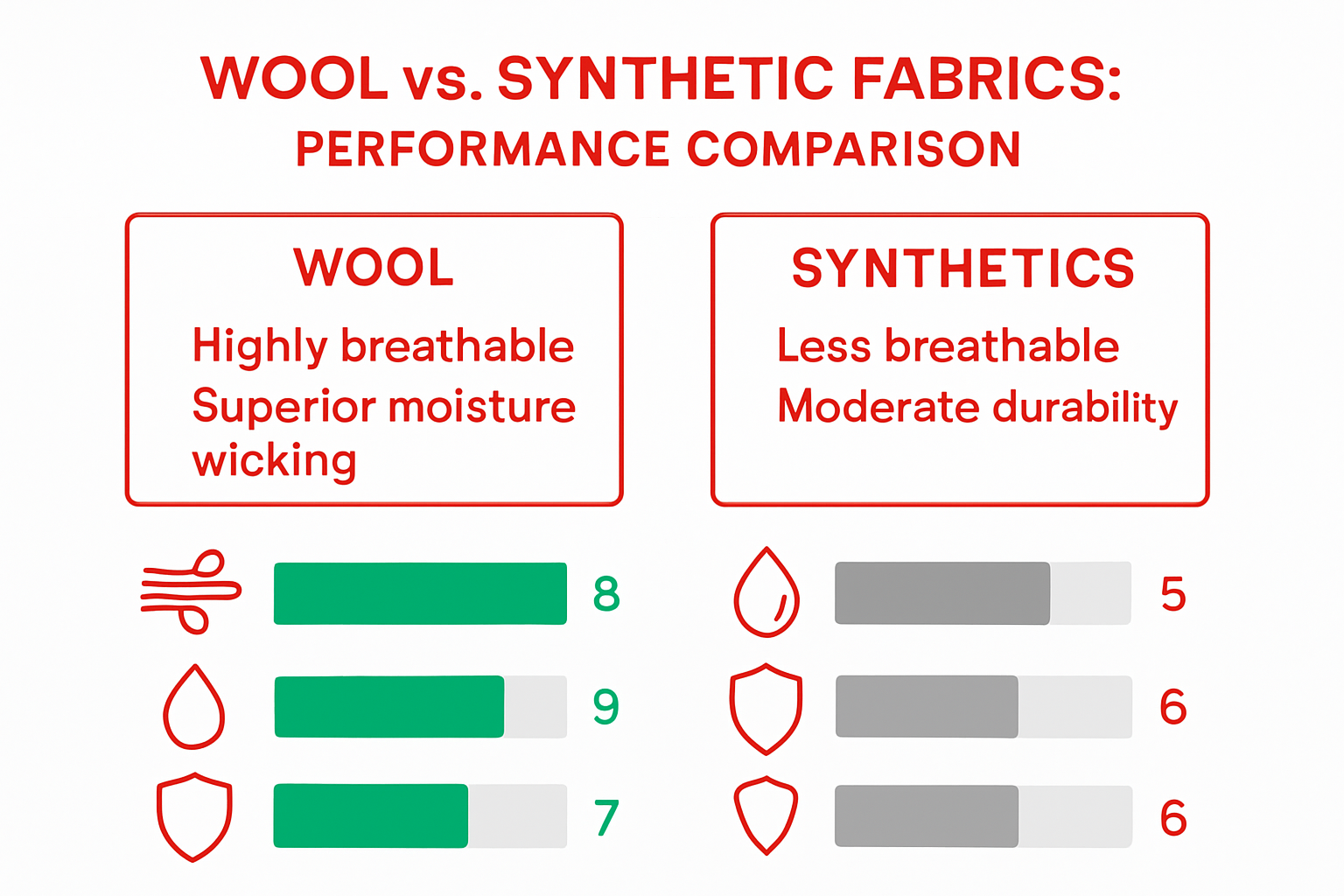
The fundamental differences between wool and synthetic textiles extend far beyond simple material composition. Thermal regulation stands out as a critical distinguishing factor, with wool demonstrating extraordinary ability to manage body temperature and moisture. Wool’s natural fire resistance and safety characteristics provide an additional layer of protection that synthetic fibers cannot match, making it a superior choice for performance-driven textile applications.
Key comparative advantages of wool over synthetic alternatives include:
These distinctive characteristics demonstrate wool’s remarkable ability to outperform synthetic textiles across multiple dimensions, offering textile designers and consumers a sophisticated, high-performance alternative to conventional synthetic materials.
If you have faced challenges finding a fabric that combines softness, durability, and natural performance, wool offers a remarkable solution. The article highlights wool’s key benefits like moisture wicking, breathability, and temperature regulation that can elevate your apparel, home decor, and craft projects to the next level. Whether you seek ultra-fine Merino softness or sturdy Shetland texture, understanding wool’s unique properties ensures your creations are comfortable, long-lasting, and easy to maintain.
Explore a curated selection of high-quality fabrics at fabric-fabric.com where you can find detailed product descriptions and expert guidance. Don’t wait to transform your ideas into reality with textiles that offer natural performance and beauty. Visit fabric-fabric.com now and discover fabrics that match the sophisticated demands of your projects while benefiting from current promotions and easy shopping tools.
Wool fabric is known for its breathability, durability, moisture wicking, antimicrobial properties, and flexibility. These qualities make it suitable for a range of textile applications, providing both functionality and aesthetic appeal.
Wool can absorb up to 30% of its weight in moisture without feeling wet, offering superior moisture management compared to synthetic fabrics, which can trap moisture and lead to discomfort.
Different types of wool such as Merino, Shetland, lambswool, and Corriedale each have unique characteristics. Merino wool is soft and ideal for lightweight garments, while Shetland wool is coarser and better for sturdy outerwear. Understanding these differences helps in selecting the right type for specific projects.
Proper care for wool textiles includes hand washing with lukewarm water, avoiding direct heat during drying, storing in cool, dry environments, and spot cleaning stains immediately. Professional cleaning services are recommended for valuable wool items.