

 US Dollar

Modal Fabric: What It Is, How It's Made, and Why It Matters
Posted by BLG on 2026 Aug 5th
Posted by BLG on 2026 Aug 5th

TL;DR:
- Modal is a semi-synthetic fiber made mainly from beechwood pulp, known for its softness and moisture management. Its high wet strength comes from a controlled stretching process during manufacturing, but environmental impact depends on chemical handling and certification, not raw material origin. Consumers should prioritize certified, closed-loop production processes and scrutinize sustainability claims carefully.
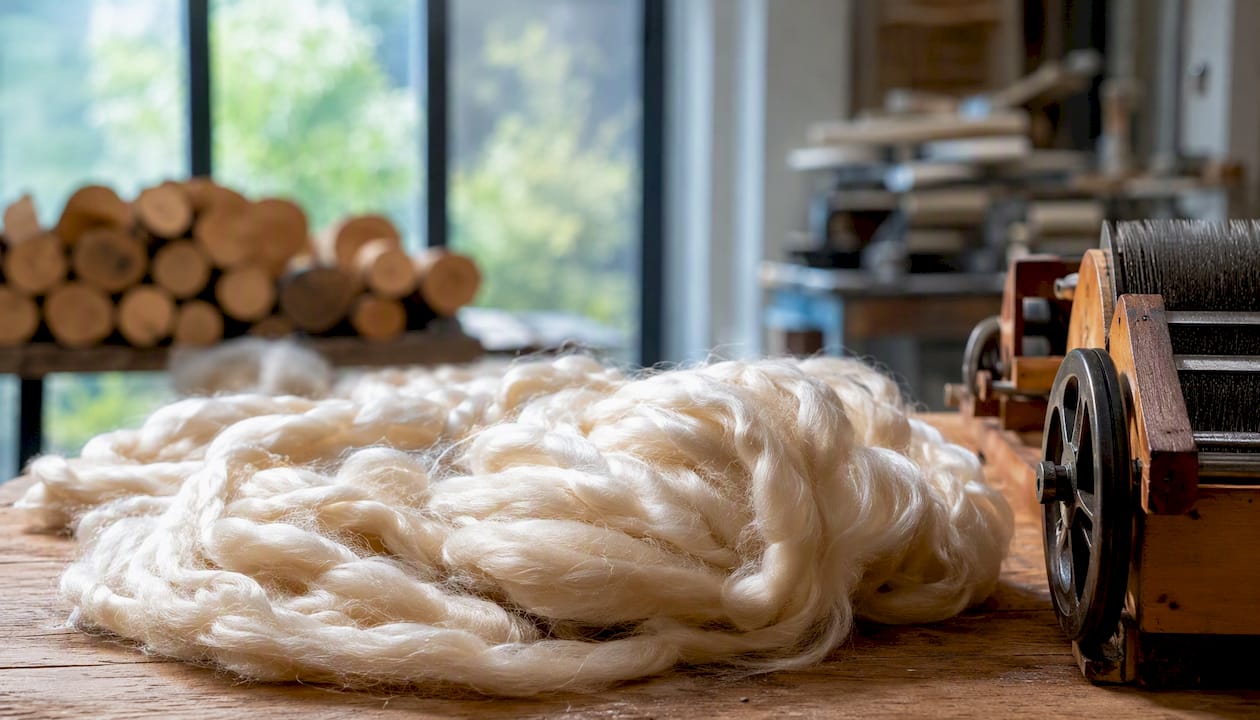
Modal is a semi-synthetic, regenerated-cellulose fiber made primarily from beechwood pulp and classified as high wet modulus (HWM) rayon. It sits between natural fibers like cotton and fully synthetic ones like polyester, which is why you’ll see it labeled “semi-synthetic” on care tags. You’ll find it most often in underwear, pajamas, activewear, and bed sheets.
Three things set modal apart immediately:
Modal is a regenerated-cellulose fiber first developed in Japan in 1951. “Regenerated cellulose” means the cellulose from wood is dissolved, chemically processed, and then reformed into a fiber. The plant origin is real; the fiber itself is not. That distinction matters when you’re reading sustainability claims.
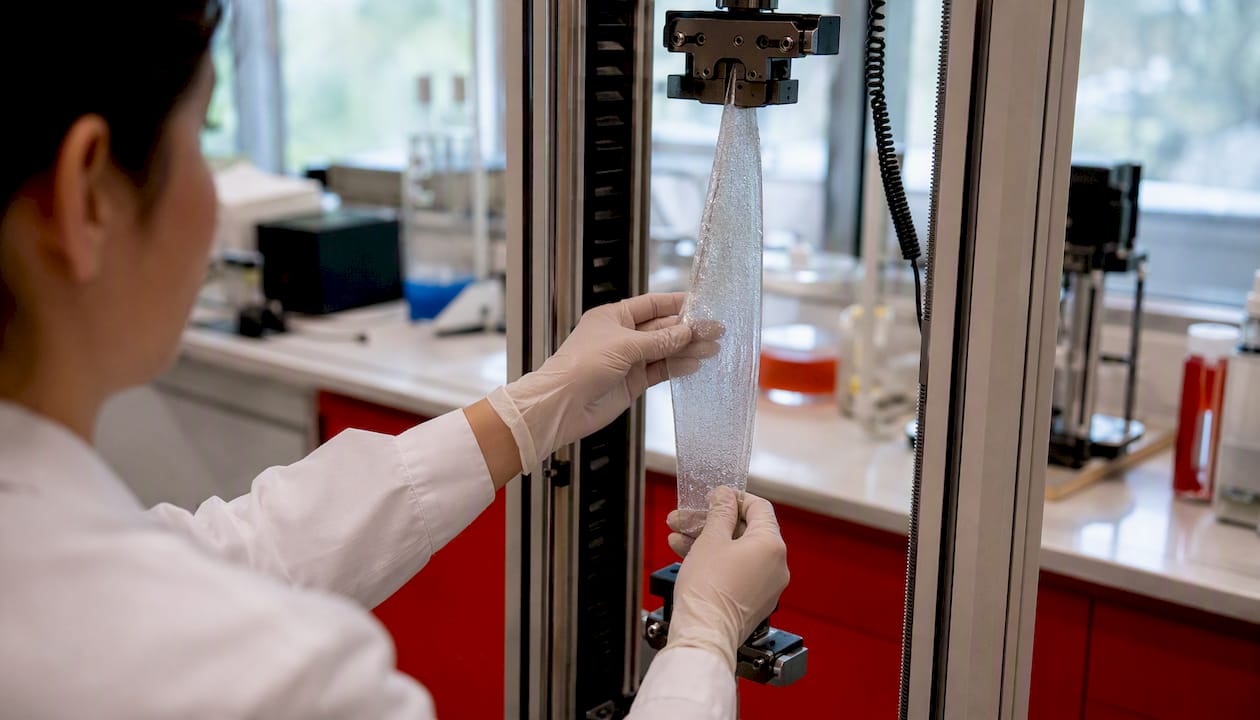
The “high wet modulus” designation tells you something specific about performance. Traditional viscose rayon can lose 40–50% of its strength when wet, which is why it distorts in the wash. Modal’s manufacturing process increases molecular alignment in the fiber, so it retains significantly more wet strength. That’s the engineering reason modal shrinks and stretches less than regular viscose.
Beechwood is the dominant raw material. Beech trees grow quickly, require no irrigation in their native European forests, and regenerate naturally after harvesting. Some producers use eucalyptus or other fast-growing hardwoods. The species choice matters because forestry practices vary widely, and not all wood sources carry independent certification.
Semi-synthetic sits between two poles: natural fibers (cotton, wool, linen) that come straight from a plant or animal, and fully synthetic fibers (polyester, nylon) derived from petroleum. Modal is plant-based but chemically transformed. Neither label alone tells the whole story.
The production process follows a viscose-type route with specific modifications that produce the higher wet strength modal is known for. Here’s how it works:
Where modal diverges from standard viscose is primarily in step 7: the controlled stretching under specific conditions is what produces the higher wet modulus. Lyocell, sold commercially as TENCEL™, takes a fundamentally different chemical route, using N-methylmorpholine N-oxide (NMMO) solvent instead of carbon disulfide. Closed-loop Lyocell plants recover solvent at rates near 99%, which is why many buyers consider it a cleaner option.
Pro Tip: When evaluating a modal supplier or brand, look specifically for closed-loop solvent recovery statements, third-party certifications like OEKO-TEX® Standard 100 or OEKO-TEX® STeP (which covers production facilities), and FSC or PEFC certification on the wood source. Vague “eco-friendly” language without these specifics is not a trust signal.
Modal’s tactile quality is the first thing most people notice. It has a silky, smooth hand that feels noticeably softer than cotton against skin. Micromodal, a finer version of the fiber, pushes that softness further, which is why it dominates premium underwear and base layers.
That softness doesn’t fade quickly. Modal holds its hand well through repeated machine washing, which is a real advantage over standard viscose, which can go limp and rough after a few cycles. Pill resistance is another practical benefit: the fiber’s structure resists the surface fuzz that makes cotton T-shirts look worn.
Modal wicks moisture, dries faster than cotton, and stays lighter when wet, which is why it’s favored for activewear and intimate apparel. Cotton absorbs moisture and holds it; modal moves it away from the skin more efficiently. For anyone who runs hot at night, modal sheets offer genuine breathability rather than just marketing copy.
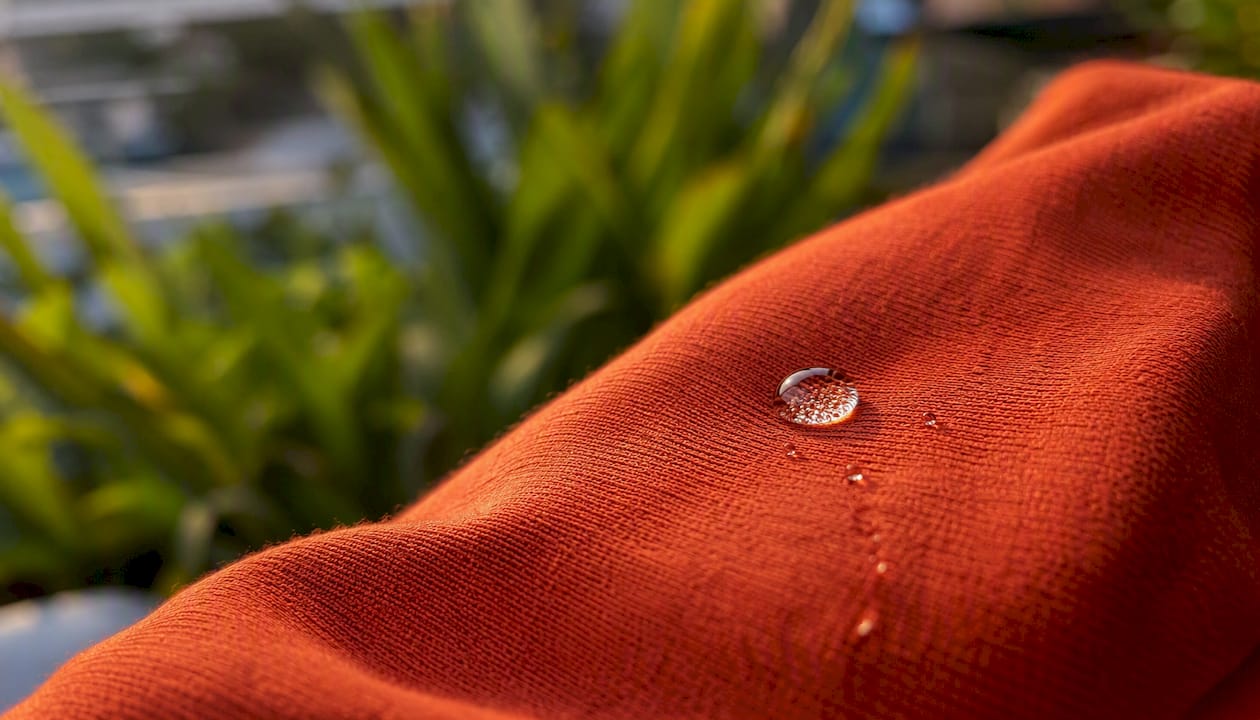
One property worth noting: modal contains no petroleum polymers, so it doesn’t shed microplastic fibers in the wash the way polyester-based fabrics do. For consumers concerned about microplastic contamination in waterways, that’s a meaningful distinction.
Best uses by property match:
Modal’s plant-based origin doesn’t make it automatically sustainable. The production chemistry is the issue. Carbon disulfide is acutely toxic to workers and, without proper controls, harmful to surrounding communities. The EPA’s documentation on carbon disulfide makes clear that air and water emissions from viscose-type manufacturing require active management. Facilities without closed-loop systems release CS₂ and hydrogen sulfide into the air and contaminated wastewater into local water systems.
Biodegradability claims deserve scrutiny. Modal is technically biodegradable in oxygenated environments, and some Lenzing Modal fibers carry TÜV Austria biodegradability certification. But most discarded textiles end up in landfills, where anaerobic conditions prevent meaningful breakdown. A garment that is technically biodegradable but sits intact in a landfill for decades is not a sustainability win.
The primary concerns, summarized:
Certifications that reduce these risks: OEKO-TEX® Standard 100 (tests for harmful residues in the finished fiber), OEKO-TEX® STeP (covers facility-level environmental and social standards), FSC or PEFC certification (verifies sustainable forest management), and branded producer credentials like Lenzing Modal or TENCEL™ Modal, which include documented closed-loop and resource-efficiency claims.
| Dimension | Modal | Viscose | TENCEL™ (Lyocell) | Cotton |
|---|---|---|---|---|
| Hand/softness | Silky, smooth; holds after washing | Soft initially; degrades with washing | Smooth, slightly crisp; very consistent | Soft to rough depending on grade |
| Breathability/moisture | High; wicks and dries fast | Moderate; absorbs but holds moisture | High; excellent moisture management | High; absorbs well but dries slowly |
| Durability/shrink-resistance | Good; HWM process resists shrinkage | Poor when wet; prone to distortion | Very good; strong wet and dry | Moderate; shrinks without pre-treatment |
| Care/washability | Machine wash cold; gentle cycle | Hand wash or delicate; reshape wet | Machine wash cold; gentle cycle | Machine washable; tolerates heat |
| Environmental footprint | Chemical-intensive; better with closed-loop | Highest chemical footprint of the three | Lowest chemical footprint; ~99% solvent recovery | Water-intensive; pesticide risk without organic cert |
| Typical end uses | Underwear, pajamas, activewear, sheets | Linings, dresses, blouses | Activewear, bedding, premium apparel | Everyday apparel, denim, home textiles |
When modal is the better choice: skin-contact items where softness and moisture management matter most, and where Lyocell’s slightly crisper hand is less desirable. When to prefer TENCEL™ Lyocell: buyers who prioritize the lowest chemical production footprint and can accept a higher price point. When cotton wins: applications requiring heat tolerance, heavy-duty washing, or a natural-only fiber requirement.
Lenzing Modal and TENCEL™ are both Lenzing AG branded fibers, but they use different processes. Knowing which one you’re buying matters for both performance and sustainability.
Modal is more forgiving than viscose but still needs some care to stay in good shape. Follow these steps:
Blends change the equation. Modal + cotton blends are slightly more heat-tolerant than pure modal. Modal + spandex blends (common in activewear) need extra care with heat, since spandex degrades faster than modal at high temperatures. Check the care label for the blend percentage; the more sensitive fiber sets the care standard. For more detailed guidance on blended fabrics, Fabric-fabric’s fabric care tips for retailers covers washing protocols by fiber type.
Modal shows up across a wide range of product categories, and the fiber-to-use match is usually deliberate.
Underwear and intimate apparel is modal’s home territory. The combination of softness, moisture-wicking, and no microplastic shedding makes it the default choice for premium basics. Micromodal, a finer-count version, is used by brands targeting the luxury end of the category.
Sleepwear and pajamas benefit from modal’s breathability and drape. The fabric moves with the body and doesn’t trap heat, which matters for anyone who runs warm overnight.
Activewear uses modal primarily in lower-intensity categories: yoga, pilates, studio wear. For high-sweat activities, modal + spandex blends add stretch and recovery. Pure modal lacks the elasticity of synthetic-blend performance fabrics, so the blend percentage matters.
Bed sheets and pillowcases made from modal or modal blends offer a silky alternative to cotton percale. They’re particularly popular in the “cooling sheets” category because of modal’s moisture management.
Towels occasionally use modal in the pile for softness, though cotton terry remains dominant for absorbency.
For crafters and small-brand designers sourcing yardage, modal fabric by the yard is available in jersey and interlock constructions, which are the most practical for garment sewing. Fabric blends like modal + cotton and modal + spandex each have distinct sewing and care implications worth understanding before cutting.
Not all modal is made the same way. The fiber name alone tells you nothing about the production conditions or wood source.
Labels and certifications to prioritize:
Questions worth asking a retailer or checking in a product description:
Red flags:
For a broader look at how certifications apply across fiber types, Fabric-fabric’s guide to sustainable fabrics covers the certification landscape in more detail.
The industry consensus has shifted. Modal was once positioned as a straightforwardly eco-friendly alternative to cotton, but textile researchers and sustainability analysts now draw a sharper line between “plant-based” and “low-impact.” The production footprint, not the raw material, drives the lifecycle impact. Experts caution that biodegradability claims, in particular, can mislead consumers when the actual end-of-life scenario is a landfill rather than a composting facility.
The market trend reflects this. Lyocell, sold commercially as TENCEL™, has gained ground precisely because its NMMO solvent system and near-99% closed-loop recovery rates represent a meaningful step down in chemical footprint. Buyers who can absorb a higher price point increasingly prefer it. Modal holds its position where softness and price-to-performance matter more than production chemistry.
Practical recommendations:
Manufacturing transparency and certifications are the most reliable trust signals available to consumers. The fiber name alone is not enough.
Modal is a certified-source, HWM rayon that outperforms standard viscose in softness and wash durability, but its sustainability depends entirely on production chemistry and certifications, not the plant-based origin alone.
| Point | Details |
|---|---|
| Fiber classification | Modal is HWM rayon, a regenerated-cellulose semi-synthetic fiber made primarily from beechwood pulp. |
| Wet strength advantage | Traditional viscose can lose a substantial portion of its strength when wet; modal’s process modifications retain significantly more. |
| Sustainability nuance | Biodegradability claims apply only in oxygenated conditions, not typical landfills; chemical management at the facility level is the real indicator. |
| Certification signals | OEKO-TEX®, FSC/PEFC, and branded credentials like Lenzing Modal or TENCEL™ are the most reliable trust signals when buying. |
| Fabric-fabric sourcing | Fabric-fabric carries modal and modal-blend fabrics by the yard, with product descriptions that include fiber origin and care guidance. |
Modal is genuinely good fabric. The softness is real, the moisture management is real, and the microplastic-free composition is a meaningful advantage over polyester blends. But the sustainable-fabric conversation has matured past “it comes from trees, so it’s fine.” The carbon disulfide chemistry in viscose-type production is serious, and the gap between a well-managed Lenzing facility and an unregulated generic producer is enormous.
What frustrates me about how modal gets marketed is the biodegradability framing. Technically accurate, practically misleading. A fiber that biodegrades under laboratory oxygenation conditions but sits in a landfill for decades is not a meaningful environmental win. Consumers deserve that nuance, not a green checkmark.
The better question isn’t “is modal sustainable?” It’s “which modal, from which producer, with which certifications?” That’s a harder question to answer at the point of sale, which is exactly why certification labels exist. Use them.
If you’ve decided modal is the right fiber for your project, the next step is finding yardage with clear sourcing information. Fabric-fabric stocks a range of fabrics by the yard, including modal and modal-blend constructions suited for apparel, home textiles, and craft projects.

Browse the home decor fabric collection for modal-blend options suited to bedding and soft furnishings, or check the full fabric catalog to compare modal jersey, interlock, and blended constructions side by side. Product pages include fiber content, care instructions, and usage suggestions so you can match the fabric to the project before you order.
Have a sourcing question about fiber origin or certifications? Fabric-fabric’s customer service team can help you find what you need. Reach out through the site’s contact page, and a team member will point you to the right fabric for your application.
The following sources were used in researching this article. Each one is worth bookmarking if you want to go deeper on a specific aspect of modal fabric.