

 US Dollar

How to Source Bulk Fabric: A Practical Guide for Creators
Posted by BLG on 2025 Oct 9th
Posted by BLG on 2025 Oct 9th


Every project that relies on textiles starts with a crucial decision: choosing the right fabric in bulk can make or break your outcome. Yet despite how high the stakes are, most people still overlook the fact that adding a simple 10 to 15 percent buffer to your fabric estimate helps prevent expensive shortages and waste. Most surprising of all, the real secret to bulk fabric sourcing has less to do with scoring the lowest price and everything to do with mastering the art of upfront planning before you even speak to a supplier.
| Key Point | Explanation |
|---|---|
| 1. Clearly Define Fabric Needs | Understand specific project requirements regarding fabric type, durability, and performance to guide procurement effectively. |
| 2. Create a Fabric Specification Sheet | Document important parameters like weight, fiber composition, and color to minimize procurement errors and ensure alignment with supplier capabilities. |
| 3. Research and Vet Suppliers Thoroughly | Identify potential suppliers through various channels and assess their capabilities, pricing, and quality certifications to ensure reliability. |
| 4. Develop a Supplier Comparison Matrix | Use a structured approach to evaluate different suppliers based on quality, lead times, and customization options to facilitate informed decision-making. |
| 5. Confirm Order Details and Documentation | Ensure all negotiated terms, pricing, and specifications are documented to prevent misunderstandings and guarantee satisfaction with the final product. |
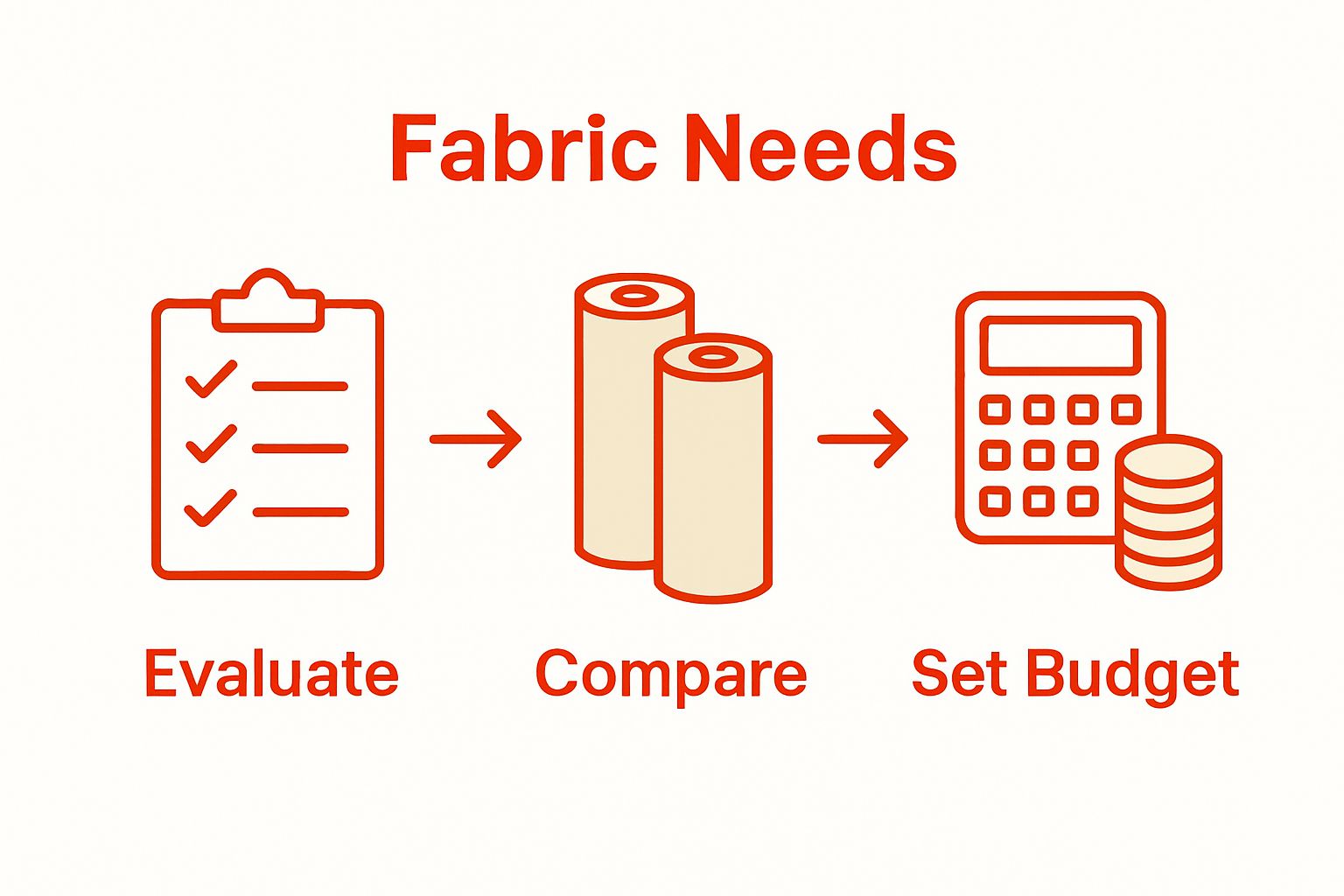
Successful bulk fabric sourcing begins with a crystal clear understanding of your specific project requirements. This crucial first step determines the entire trajectory of your fabric procurement process, impacting everything from quality and cost to final product performance.
Start by conducting a comprehensive evaluation of your project’s fabric specifications. Consider the intended use of the fabric, which dramatically influences your selection criteria. A quilting project demands different fabric characteristics compared to industrial upholstery or fashion design. Will your fabric need to withstand heavy wear, provide stretch, maintain color vibrancy, or offer specific technical properties like water resistance or thermal insulation?
Carefully document your precise fabric requirements, including weight, composition, weave type, and color palette. Textile weight measured in GSM (grams per square meter) determines fabric thickness and durability. Natural fibers like cotton and linen differ significantly from synthetic materials such as polyester or nylon in terms of texture, performance, and maintenance needs.
Consider creating a detailed fabric specification sheet that captures essential parameters. This document should include:
Research from the Textile Research Journal emphasizes that precise specification documentation reduces procurement errors and helps manufacturers understand your exact needs.
Additionally, assess potential volume requirements. Bulk fabric sourcing typically involves larger minimum order quantities, so accurately estimating your project’s scale prevents over or under purchasing. Professional creators often recommend adding a 10-15% buffer to your calculated fabric needs to account for potential waste, pattern matching, or unexpected design modifications.
Finally, establish a clear budget range that balances quality with cost effectiveness. Understanding your financial constraints helps narrow potential fabric options and prevents overwhelming yourself with infinite choices. By methodically defining your fabric needs upfront, you create a strategic roadmap that streamlines the entire sourcing process.
Here is a checklist you can use to ensure all essential fabric specifications are included before reaching out to suppliers.
| Fabric Specification Item | Description | Why It Matters |
|---|---|---|
| Fabric Weight | Specify the weight range in GSM (grams per square meter). | Determines thickness and durability |
| Fiber Composition | Indicate percentage of each fiber type (e.g., 100% cotton, 80/20 poly-cotton). | Affects feel, performance, care |
| Color Specifications | Note required colors, Pantone codes, or dyeing needs. | Ensures precise color matching |
| Minimum & Maximum Quantities | State anticipated low and high order volumes. | Helps suppliers determine production |
| Durability Requirements | Describe end-use and expected wear (e.g., wash cycles, abrasion resistance). | Guides material choice and QC standards |
With your fabric specifications clearly defined, the next critical phase involves identifying and evaluating potential suppliers who can meet your precise requirements. This research stage is fundamental to securing high quality materials at competitive prices while establishing reliable long term sourcing partnerships.
Begin your supplier exploration through multiple strategic channels. Industry trade shows, online wholesale marketplaces, and specialized textile directories represent excellent starting points for comprehensive supplier discovery. Professional networking platforms like LinkedIn can also connect you with textile manufacturers and distributors who might not be immediately visible through traditional search methods.
Expand your research beyond initial online searches by leveraging professional textile industry associations and recommendation networks. Seek out suppliers who demonstrate expertise in your specific fabric category, whether that involves technical performance textiles, fashion materials, or craft specific fabrics. Pay close attention to their minimum order quantities, production capabilities, and quality certification standards.
When evaluating potential suppliers, consider developing a structured assessment framework. According to Textile World Magazine, successful fabric procurement involves examining several key supplier characteristics:
Create a comprehensive supplier spreadsheet that tracks critical information like contact details, specialization areas, pricing tiers, and initial communication responses. This systematic approach transforms your research from a scattered effort into a strategic selection process.
Do not overlook the importance of direct communication. Request fabric samples, discuss customization options, and inquire about bulk pricing. Reputable suppliers will welcome detailed questions and provide transparent information about their manufacturing processes. Some creators recommend scheduling brief video consultations to establish rapport and gain deeper insights into a potential supplier’s capabilities.
Finally, verify each supplier’s industry reputation through references, online reviews, and professional recommendations. Check for consistent quality, reliability, and customer service track records. By methodically researching and vetting potential fabric sources, you significantly increase your chances of finding a supplier who perfectly matches your project’s unique requirements.
After identifying potential fabric suppliers, the critical next step involves meticulously comparing and evaluating their specific offerings. This process transforms your initial research into actionable procurement decisions, ensuring you select the most suitable supplier for your project’s unique requirements.
Begin by requesting comprehensive fabric sample packages from each potential supplier. Physical samples provide invaluable insights into texture, color accuracy, durability, and actual material quality that digital representations cannot fully capture. Professional creators recommend requesting multiple sample swatches to conduct thorough comparative assessments.
Develop a structured evaluation matrix that goes beyond simple price comparisons. Consider multiple factors that impact your overall fabric procurement experience. Pricing transparency matters, but equally important are lead times, minimum order quantities, customization capabilities, and potential volume discounts.
According to Textile Insight Magazine, successful fabric sourcing involves analyzing several interconnected supplier characteristics:
Create a detailed comparison spreadsheet that quantifies each supplier’s strengths and potential limitations. Assign numerical scores or weighted rankings to different evaluation criteria, transforming subjective impressions into objective assessment metrics. This approach helps eliminate emotional decision making and focuses on data driven supplier selection.
Pay particular attention to sample consistency and production capabilities. Request information about their quality control processes, including how they manage color matching, fabric weight variations, and potential manufacturing defects. Reputable suppliers will welcome detailed inquiries and provide comprehensive documentation about their production standards.
Remember that the cheapest option is not always the most cost effective in the long term. Factor in potential risks like delayed shipments, inconsistent quality, or limited customer support. A slightly higher priced supplier with exceptional reliability and responsive communication might ultimately provide better overall value for your project.
Here is a comparative matrix summarizing key factors to evaluate when choosing between multiple bulk fabric suppliers.
| Evaluation Criteria | Why It Matters | What to Look For |
|---|---|---|
| Fabric Quality | Impacts finished product and consistency | Sample consistency, defect rates |
| Pricing & Discounts | Affects project budget and profitability | Transparent rates, volume discounts |
| Lead Times | Determines project timeline | Realistic, reliable delivery estimates |
| Customization Capabilities | Enables unique project requirements | Willingness to adapt colors, weaves, finishes |
| Minimum Order Quantities | Influences production planning | Suitability with your project scale |
| Communication & Support | Eases problem resolution, builds reliability | Response time, technical expertise |
| Shipping & Logistics | Impacts delivery cost and risk | Options, tracking, on-time performance |
Finalize your evaluation by scheduling follow up conversations with your top two or three suppliers. Direct communication can reveal nuanced details about their capabilities, willingness to collaborate, and potential for building a long term sourcing partnership.
Reaching out to potential fabric suppliers marks a pivotal moment in your bulk fabric sourcing journey. This step transforms your research into tangible interactions, allowing you to gather precise pricing information and evaluate material quality through physical samples.
Craft a professional communication template that streamlines your initial supplier contact. Your message should clearly articulate your specific fabric requirements, including precise technical specifications, anticipated order volume, and any unique project constraints. Professional communication signals your seriousness and helps suppliers provide accurate, targeted responses.
When initiating supplier conversations, provide comprehensive yet concise project details. Include specific fabric characteristics such as desired fiber composition, weight, color range, and anticipated production timeline. The more explicit your requirements, the more accurate and tailored the supplier’s response will be.
According to International Textile Journal, effective supplier communication involves several key communication strategies:
Develop a systematic approach to requesting fabric samples. Most reputable suppliers offer sample swatches, though some might charge a nominal fee. Prioritize suppliers willing to provide complimentary samples, as this demonstrates confidence in their product quality and commitment to potential customers.
When requesting quotes, create a standardized comparison framework. Ask each supplier to provide a detailed quote that includes fabric pricing, minimum order quantities, potential volume discounts, shipping expenses, and estimated production timelines. This approach enables an apples to apples comparison of different supplier offerings.
Pay close attention to suppliers’ communication responsiveness and professionalism during this stage. A supplier who provides prompt, detailed, and helpful responses likely indicates a more reliable business partner.
Consider factors beyond just pricing, such as their willingness to answer technical questions, provide additional information, and demonstrate genuine interest in understanding your project requirements.
Finalize this step by organizing received samples and quotes systematically. Create a dedicated folder or spreadsheet tracking each supplier’s information, allowing for easy side by side comparison and informed decision making in subsequent procurement stages.
With comprehensive research and supplier evaluation complete, you now enter the critical phase of finalizing your bulk fabric order. This step requires meticulous attention to detail, ensuring every aspect of your purchase aligns precisely with your project requirements and supplier capabilities.
Before submitting your final order, conduct a comprehensive final review of all negotiated terms. This involves carefully examining pricing structures, fabric specifications, minimum order quantities, expected delivery timelines, and potential customization details. Professional creators understand that clarity at this stage prevents potential misunderstandings or unexpected complications later.
Initiate the ordering process by requesting a formal written contract or order confirmation that explicitly outlines all agreed upon terms. This document should comprehensively detail fabric specifications, pricing, delivery expectations, and any special conditions negotiated during previous communications. Precise documentation protects both you and the supplier, creating a clear reference point for potential future discussions.
According to Textile Manufacturing Insights, successful bulk fabric orders require careful documentation of several key elements:
Pay particular attention to payment methods and schedule. Many textile suppliers require partial upfront payment, with the remaining balance due upon order completion or delivery. Understand the specific payment terms, including accepted payment methods, potential transaction fees, and any early payment discounts that might be available.
Before finalizing the order, request a final sample or production proof that represents the exact fabric batch you will receive. This additional verification step allows you to confirm color consistency, texture, and overall material quality before committing to the full bulk order. Some suppliers might charge a nominal fee for this service, but it represents a worthwhile investment in ensuring product satisfaction.
Maintain open communication channels throughout the ordering process. Establish a primary point of contact with the supplier and maintain a professional, collaborative approach. Confirm receipt of all documentation, ask clarifying questions promptly, and ensure you have contact information for potential follow up or support.
Finalize the order by obtaining written confirmation, keeping comprehensive records of all communication, contracts, and payment documentation. This systematic approach transforms your fabric sourcing from a simple transaction into a strategic, well documented procurement process.

Struggling with the challenge of finding reliable, high-quality fabrics that truly match your project’s unique needs? If you have ever spent hours comparing suppliers, waiting for samples, or worrying about color consistency and minimum order quantities, you are not alone. This article emphasizes the importance of clear specifications, dependable communication, and transparent pricing when sourcing in bulk — and that is where Fabric-Fabric.com becomes your trusted partner.
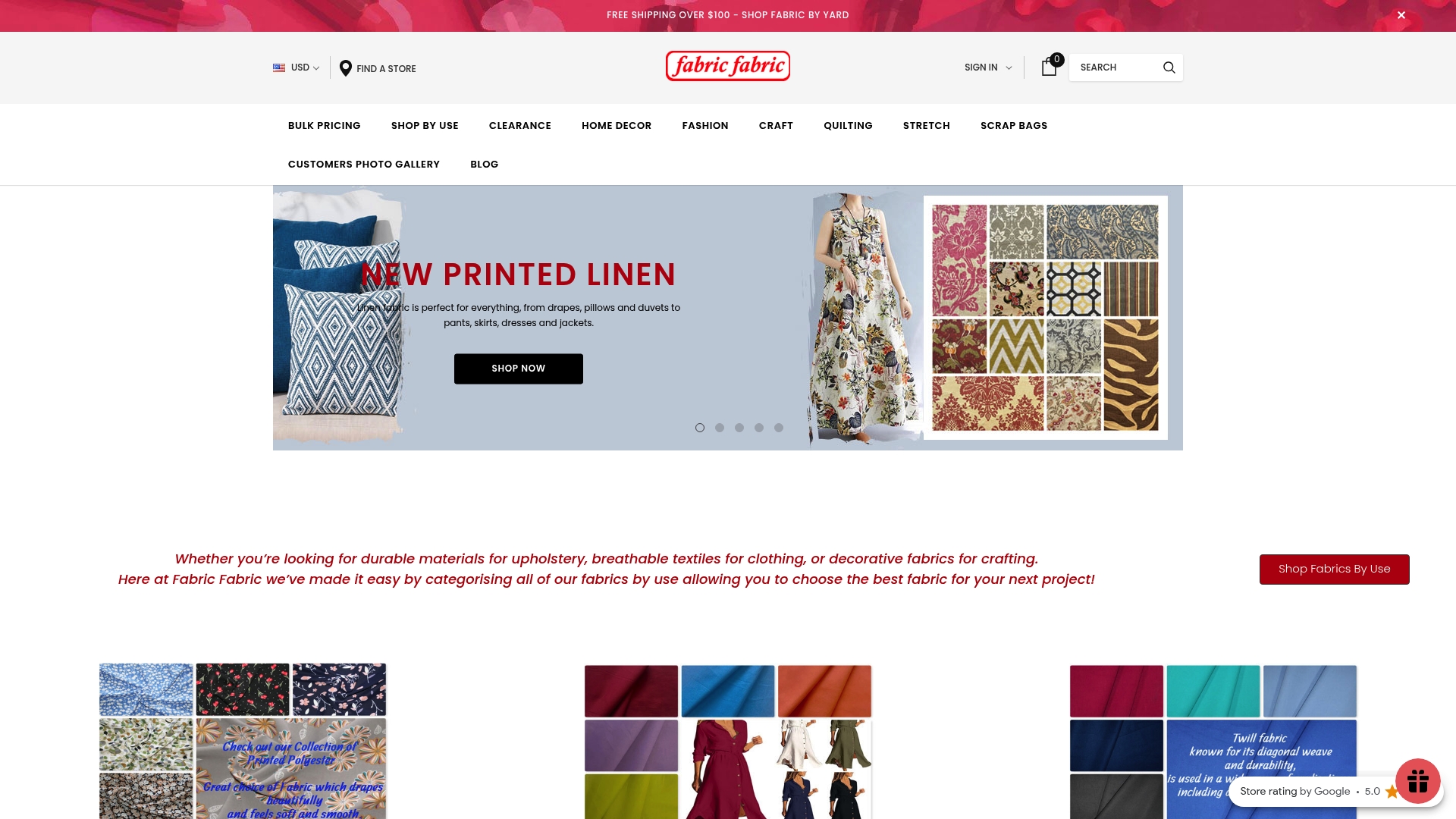
Discover a smarter way to source with our detailed fabric listings, real-time pricing, and commitment to customer support. Whether you need fabric for apparel, upholstery, decor, or creative crafts, our homepage makes shopping simple. Choose from a wide range of materials like seersucker, satin, velvet, lace, and sequins, all with clear descriptions and suggested uses. Start your bulk order today and experience the confidence of sourcing everything in one place — with discounts and free shipping offers available now. Visit Fabric-Fabric.com and take the first step toward stress-free bulk fabric buying.
To determine the right fabric specifications, evaluate the intended use of the fabric. Consider factors such as weight, fiber composition, weave type, and color palette based on your project needs, whether they relate to durability, texture, or performance.
Your fabric specification sheet should include the exact fabric weight range, fiber composition percentage, required color specifications, minimum and maximum order quantities, and anticipated durability requirements. This clarity helps suppliers understand your needs effectively.
Evaluate potential fabric suppliers by examining their production capacity, quality control processes, pricing structures, and responsiveness to custom requests. Create a structured assessment framework to compare these factors across different suppliers systematically.
When requesting fabric samples, ask for multiple swatches to assess texture, color accuracy, and durability. Ensure the suppliers provide a clear overview of their quality control processes to guarantee the consistency and quality of the samples you receive.