

 US Dollar

How to Buy Wholesale Fabric: A Step-by-Step Guide
Posted by BLG on 2025 Sep 9th
Posted by BLG on 2025 Sep 9th


Buying wholesale fabric might sound simple but every wrong choice can cost you big. Professional buyers know that even the smallest oversight in measurement or quality check can result in wasted materials and thousands lost. The surprise? A 10-15 percent margin for cutting errors is industry standard, and skipping it can halt entire projects. Knowing how to size up your needs and nail supplier selection is what really separates the amateurs from the pros.
| Key Point | Explanation |
|---|---|
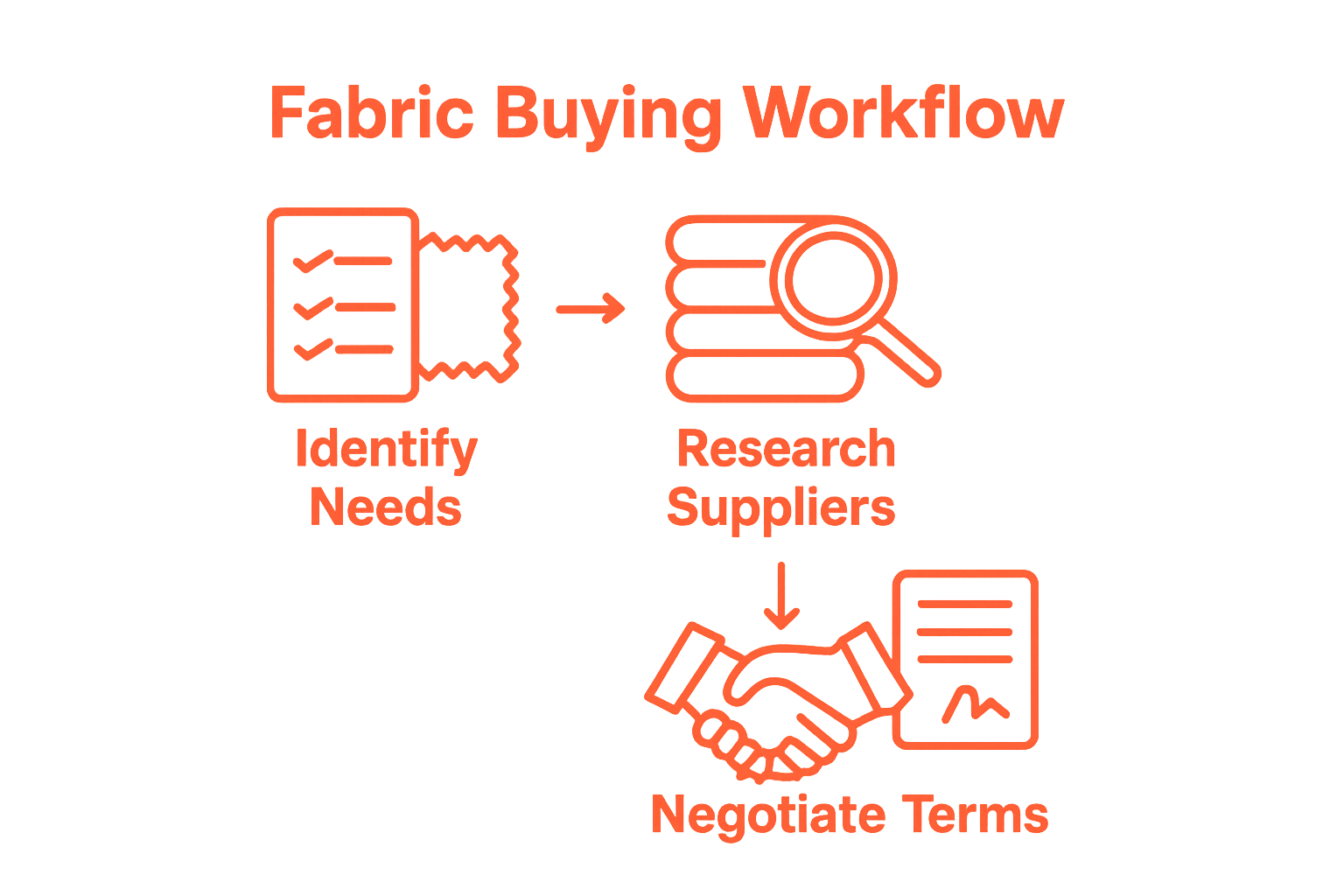
| 1. Identify Fabric Requirements First | Assess your project needs regarding fabric type and characteristics before making any purchases. |
| 2. Conduct Thorough Supplier Research | Use multiple channels to find reliable suppliers and request samples to ensure quality. |
| 3. Evaluate Fabric Samples Rigorously | Perform sensory assessments and practical tests on samples to validate quality before ordering. |
| 4. Prepare for Price Negotiations | Know your budget and market rates; focus on more than just price, considering terms and conditions. |
| 5. Document Your Order Details Carefully | Create a comprehensive order confirmation that captures all specifications and agreed-upon terms. |
Successfully buying wholesale fabric begins with a strategic and comprehensive understanding of your specific fabric requirements. This initial step is crucial because your precise needs will dramatically influence every subsequent decision in the purchasing process. Whether you are a fashion designer creating a new clothing line, an interior decorator sourcing upholstery materials, or a craft enthusiast planning a large project, identifying your fabric needs sets the foundation for a successful wholesale purchase.
Before diving into wholesale fabric selection, you need to conduct a thorough assessment of your project’s specific demands. Start by considering the fundamental characteristics that will define your fabric choice. What is the intended use? Are you creating structured garments that require stable, heavyweight fabrics, or lightweight, flowing designs that need more drape? For interior projects, will the fabric need to withstand heavy use, sunlight exposure, or potential staining?
Consider critical fabric properties such as weight, composition, stretch, durability, and texture. A wedding dress might require delicate silk with minimal stretch, while outdoor furniture cushions demand robust, weather resistant synthetic blends. Technical specifications matter immensely. Weight impacts how the fabric hangs and performs, while composition determines its care requirements, shrinkage potential, and overall performance.
Quantity calculation is another critical component of identifying your fabric requirements. Professional buyers understand that wholesale purchasing requires precise measurements. Calculate your total fabric needs by creating detailed project blueprints or technical sketches. For clothing manufacturers, this means understanding pattern piece dimensions and accounting for potential cutting waste. Interior designers should measure exact room dimensions and factor in pattern matching requirements.
Consider creating a comprehensive worksheet that includes:
By meticulously identifying your fabric needs upfront, you transform a potentially overwhelming wholesale purchasing experience into a strategic, controlled process. Your detailed preparation ensures you select exactly the right materials, avoid costly mistakes, and make informed decisions in subsequent purchasing stages.
Researching wholesale fabric suppliers transforms your procurement strategy from guesswork to precision. After identifying your specific fabric needs, the next critical phase involves discovering reliable vendors who can consistently meet your material requirements. This step is about building a robust network of suppliers who understand your quality standards, budget constraints, and project specifications.
Begin your research by leveraging multiple information channels. Online platforms like Trade Shows Digital offer comprehensive directories of textile wholesalers. Professional networking sites, industry forums, and specialized textile marketplaces provide excellent starting points. Local textile associations and manufacturing networks can also recommend reputable suppliers with proven track records.
When evaluating potential wholesale suppliers, scrutinize their credentials meticulously. Look for vendors with transparent pricing structures, comprehensive fabric catalogs, and demonstrated expertise in your specific fabric category. A reliable supplier should provide detailed material specifications, including fiber content, weight, weave type, and care instructions. Request sample swatches to assess quality firsthand before committing to large volume purchases.
Conducting thorough due diligence is paramount when researching wholesale fabric suppliers. Develop a systematic approach to supplier evaluation that goes beyond surface level impressions. Request and verify:
Seek references from other industry professionals and read online reviews critically. Attend textile trade shows where you can meet suppliers in person, examine fabric samples, and establish direct relationships. Digital platforms and professional networks offer valuable insights, but nothing replaces direct interaction and hands on fabric assessment.
Successful supplier research means creating a shortlist of 3-5 potential vendors who align closely with your specific fabric requirements. Each potential supplier should demonstrate reliability, quality consistency, and flexibility in meeting your unique project needs. By investing time in comprehensive research, you significantly reduce risks associated with wholesale fabric purchasing and position yourself for successful material procurement.
Evaluating fabric quality samples is a critical checkpoint in the wholesale fabric purchasing process that separates professional buyers from amateur purchasers. This step transforms abstract specifications into tangible assessments, allowing you to physically examine and validate the materials that will ultimately define your project’s success. Professional fabric evaluation goes far beyond simple visual inspection and requires a systematic, multi dimensional approach.
When fabric samples arrive, begin with a thorough sensory examination. Feel the fabric between your fingers, assessing its weight, texture, and inherent qualities. Stretch the material gently to test its elasticity and recovery. Examine the weave structure closely under good lighting, looking for consistency in thread density, color uniformity, and potential manufacturing imperfections. A high quality fabric will demonstrate even tension, smooth surface texture, and no visible irregularities in its construction.
Consider performing practical tests that simulate real world usage conditions. Wrinkle the fabric sample and observe how quickly it recovers its original shape. Check its color fastness by exposing a small section to simulated sunlight or applying a mild water droplet to see if the color bleeds or fades. Professional buyers understand that a fabric’s performance under stress reveals more about its quality than its appearance when pristine.
Establish a systematic method for comparing fabric samples that allows objective evaluation. Create a detailed scoring sheet that captures critical attributes:
By developing a structured approach to sample evaluation, you transform subjective impressions into quantifiable assessments.
Request multiple samples from different suppliers to enable side by side comparisons. Take detailed notes, photograph samples for reference, and record your observations meticulously. This methodical process ensures you select fabrics that not only meet but exceed your project requirements.
Remember that sample evaluation is more than a technical exercise it is an investment in your project’s ultimate success. A few moments of careful examination can prevent costly mistakes and guarantee that the wholesale fabric you purchase will perform exactly as you need.
Negotiating prices and terms represents the most nuanced and potentially impactful stage of wholesale fabric purchasing. This step transforms your research and sample evaluation into a strategic financial opportunity, where your preparation and communication skills directly influence your project’s economic feasibility. Successful negotiation is an art form that balances assertiveness with professionalism, requiring thorough preparation and a clear understanding of your financial boundaries.
Preparation is the foundation of effective negotiation. Before engaging with suppliers, compile a comprehensive document outlining your specific requirements, budget constraints, and purchasing volume. Research market rates for similar fabric types to establish a realistic pricing baseline. Understanding current textile market trends provides you with critical leverage during discussions. Professional buyers know that knowledge is power negotiations are won before the conversation even begins.
Approach negotiations with a collaborative mindset, recognizing that the goal is a mutually beneficial agreement. Suppliers are more likely to offer favorable terms when they perceive you as a serious, informed buyer with potential for ongoing business. Demonstrate your professionalism by presenting clear documentation of your project needs, anticipated order volumes, and specific quality requirements. Being transparent about your expectations sets the stage for constructive dialogue.
When negotiating, focus on more than just price. Consider additional terms that can provide significant value:
Remember that every negotiation element carries potential financial impact. A 5% reduction in price or a more favorable shipping arrangement can translate into substantial savings, especially for large fabric orders. Professional negotiators understand that price is just one component of the total value proposition. Explore creative solutions that benefit both parties, such as longer term contracts, prepayment discounts, or bundled order arrangements.
Successful negotiation concludes with a clear, written agreement that explicitly outlines all discussed terms. Request a formal quote or contract that captures every discussed detail, from fabric specifications to delivery timelines. By maintaining meticulous documentation, you protect your interests and establish a professional foundation for your wholesale fabric procurement.
Placing your wholesale fabric order represents the culmination of your strategic research, careful evaluation, and skillful negotiation. This critical step transforms your preparation into concrete action, requiring meticulous attention to detail and a systematic approach to finalizing your purchase. The precision with which you complete this stage can significantly impact the entire fabric procurement process.
Below is a checklist table to help you verify all critical order details before finalizing your wholesale fabric purchase.
| Order Detail | Verification Tip | Why It Matters |
|---|---|---|
| Fabric type and composition | Confirm matches sample and specification | Ensures correct material is supplied |
| Quantity ordered | Double-check calculation and allow for overage | Prevents shortages or surplus |
| Price per unit | Match to negotiated and documented agreement | Avoids unexpected costs |
| Delivery date and timeline | Confirm supplier agrees to the required timeframe | Meets project deadlines |
| Shipping and handling arrangements | Clarify who covers shipping and method used | Prevents logistical misunderstandings |
| Payment terms and schedule | Ensure all payment details are explicitly stated | Secures financial accountability |
| Quality assurance provisions | Include return/replacement policy and standards | Safeguards against subpar materials |
| Order acknowledgment and tracking | Request written confirmation with order number | Allows tracking and reference |
Before submitting your order, create a comprehensive order confirmation document that serves as your ultimate reference point. This document should include every minute detail discussed during negotiations. Verify fabric specifications, including exact color codes, precise measurements, weight, composition, and any unique characteristics identified during sample evaluation. Professional buyers understand that ambiguity at this stage can lead to costly misunderstandings.
Carefully review the written order to ensure it captures all negotiated terms. Pay special attention to delivery timelines, shipping conditions, payment schedules, and potential contingencies. Request a formal written confirmation from the supplier that mirrors your detailed specifications. This document becomes your legal protection and reference point for the entire transaction. Include specific clauses about quality standards, return policies, and remediation processes in case the delivered fabric does not meet the agreed upon specifications.
Prepare a systematic checklist to verify critical order details:
When communicating your final order, maintain professional and clear communication channels. Use email or formal procurement platforms that provide written documentation of your entire exchange. Request a formal order acknowledgment that includes a unique order number, which allows you to track and reference the transaction throughout its lifecycle.
The final step involves securing your payment through a method that provides both protection and flexibility. Consider using secure payment platforms that offer buyer protection, escrow services, or staged payment options. Professional buyers often use methods that allow partial payment upon order confirmation and final payment upon satisfactory delivery and quality inspection. By maintaining a structured, detailed approach, you transform the order placement from a simple transaction into a strategic procurement process that safeguards your project’s success.

Choosing the right wholesale fabric can feel overwhelming. After reading about the importance of identifying your exact needs, evaluating quality samples, and ensuring you work with reliable suppliers, you may wonder where to find a partner who understands your standards and safeguards your investment. Many buyers worry about ending up with fabrics that do not meet their project requirements or quality expectations. If you want to avoid costly mistakes, missed deadlines, or unpredictable suppliers, you deserve a place that turns your planning into confident action.
Experience the difference at https://fabric-fabric.com, where you can browse high-quality fabrics in bulk, review detailed specifications, and rely on transparent pricing up front. Find exactly what you need for apparel, upholstery, or even specialty projects—without any guesswork. Visit our site now to shop our extensive fabric selection and secure the materials you need to move forward. Let our expert support help you finish your next project with confidence.
The right fabric weight depends on the intended use of your project. Lighter weights are suitable for flowing designs like dresses, while heavier weights are ideal for structured garments or upholstery that requires durability.
When evaluating fabric quality, assess its weight, texture, weave consistency, stretch, durability, and color accuracy. Conduct practical tests to ensure the fabric meets your quality standards under real-world conditions.
To calculate fabric quantity, create detailed project blueprints that outline dimensions of each pattern piece. Add extra fabric for cutting waste (typically 10-15%) and account for matching patterns if applicable.
Important terms to negotiate include pricing per unit, minimum order quantities, payment schedules, shipping costs, and delivery timelines. Consider discussing volume discounts and return policies to ensure favorable agreements.