

 US Dollar

Canvas Fabric Meaning: Properties, Types, and Uses
Posted by BLG on 2026 Jun 19th
Posted by BLG on 2026 Jun 19th

TL;DR:
- Canvas fabric is a dense, tightly woven textile primarily made from cotton, hemp, linen, or synthetics. Its weight, ranging from 200 to 700 GSM, determines its strength and best uses in art, fashion, and outdoor gear. The term “duck cloth” is often interchangeable with canvas but usually refers to heavier, double-ply fabrics measured by specific weight standards.
Canvas fabric is defined as a heavy-duty plain-woven textile originally made from hemp, now predominantly produced from cotton and synthetic fibers. The word “canvas” traces directly to the Latin cannabis, reflecting the plant that sailors, soldiers, and artists relied on for centuries. Today, canvas material definition covers everything from tote bags and tents to painter’s surfaces and upholstery. If you want to understand what makes canvas distinct from other fabrics and why it performs the way it does, this guide covers the full picture.
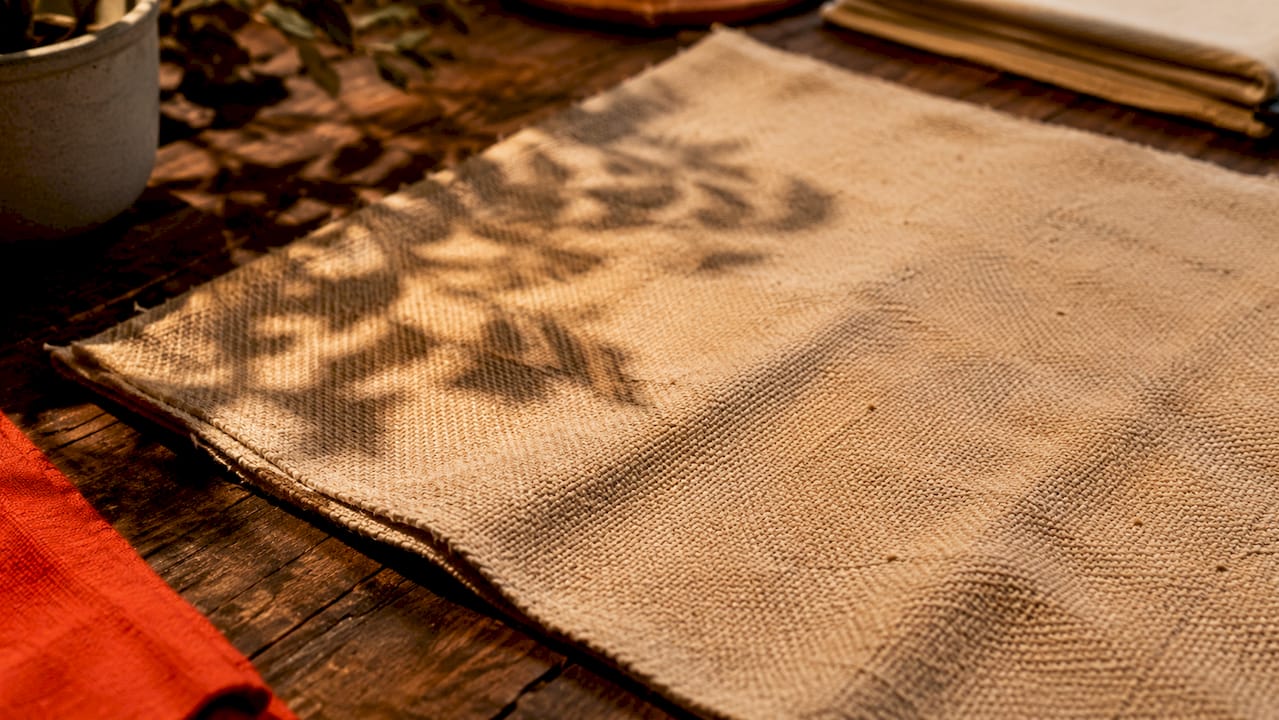
Canvas fabric is a dense, tightly woven material built for strength. Its etymology traces to 14th-century Anglo-French canevaz, meaning “made of hemp,” and the fabric’s maritime roots run deep. Columbus’s ships reportedly carried hemp canvas sails. That original purpose tells you everything about the fabric’s core identity: it was built to hold up under stress, wind, and weather.
The canvas material definition has expanded significantly since those sailing days. Modern canvas is most often made from cotton, though linen, polyester, and blended fibers are all common. The defining feature is not the fiber alone. It is the high-density tight construction that separates canvas from other plain-woven fabrics. A loosely woven cotton fabric is not canvas. A tightly packed, heavy cotton weave is.
Canvas fabric description in retail and manufacturing contexts typically references weight in grams per square meter (GSM) or ounces per square yard. That weight measurement tells you more about what the fabric can do than any label ever will.
Canvas is built on a plain weave structure. Plain weave means each weft thread passes alternately over and under each warp thread, creating a flat, uniform surface. This over-under alternation produces consistent strength across the entire fabric face. There are no diagonal ribs like denim’s twill weave, and no floating threads like satin. Every intersection locks together.
The fiber choice shapes the final product significantly. Here is how the main options compare:
The combination of fiber type and weave density determines the canvas fabric properties you get. A tightly woven cotton canvas at 400 GSM behaves very differently from a loosely woven cotton at 200 GSM, even though both might be labeled “canvas” at a fabric store.
Pro Tip: When buying canvas for a structural project like a bag or tent, always check the GSM or ounce weight rather than relying on the product name. Understanding fabric weight measurement will save you from choosing a fabric that is too light for the job.
The terms “canvas” and “duck cloth” appear interchangeably in most retail settings. The distinction matters more in industrial and military contexts than in craft stores. Modern distinctions focus on fabric weight and weave density rather than traditional yarn ply differences. Duck canvas historically used double-ply yarns, making it stronger than single-ply canvas. Today, that line has blurred considerably.
The US military formalized duck canvas grading with a numbered system. The grading system ranges from #1 to #12, with #1 being the heaviest at 30 oz per square yard and #12 the lightest at 11.5 oz per square yard. That system gives buyers a precise, reliable way to specify strength requirements. Most civilian buyers never see those numbers, but they are the most accurate way to communicate canvas weight.
Here is how canvas, duck cloth, and regular cotton stack up:
| Feature | Canvas | Duck cloth | Regular cotton |
|---|---|---|---|
| Weave type | Plain weave, tight | Plain weave, tight | Plain or twill, looser |
| Weight range | 200–700 GSM | 300–700 GSM | 100–300 GSM |
| Yarn ply | Single or double | Traditionally double | Single |
| Typical uses | Bags, art, tents, upholstery | Heavy-duty workwear, tarps | Apparel, quilting, bedding |
| Water resistance | Moderate (untreated) | Moderate to high | Low |
Regular cotton fabric is lighter, softer, and more flexible. It suits clothing and quilting well but lacks the structural integrity canvas provides. Duck cloth sits at the heavy end of the canvas spectrum and is the right choice when you need maximum abrasion resistance.
Pro Tip: When a retailer lists a fabric simply as “canvas,” ask for the ounce weight per square yard. That single number tells you whether the fabric will hold up for bags and outdoor gear or is better suited to light craft projects.
Canvas fabric properties center on durability, weight, and resistance to physical stress. Canvas weighs between 200 and 700 GSM, which translates to roughly 6–24 oz per square yard. That range covers everything from lightweight artist canvas to heavy industrial tarps.
The core functional qualities that define canvas include:
The weight of the canvas directly affects which applications it suits. A 200 GSM canvas works for lightweight tote bags and art projects. A 500 GSM canvas is appropriate for heavy-duty upholstery, tarps, and outdoor furniture. Matching weight to application is the most important decision you make when selecting canvas.
Canvas fabric uses span an unusually wide range of industries and everyday objects. The same core properties that made it useful for ship sails in the 15th century make it the right choice for modern tote bags, sneakers, and outdoor shelters.
The canvas fabric types you choose for each application should match the weight and treatment requirements of the job. Artist canvas and industrial tarp canvas share a name but serve completely different purposes.
Canvas fabric is a heavy-duty, plain-woven textile whose strength, weight range of 200–700 GSM, and fiber versatility make it the most widely used durable fabric across art, fashion, outdoor gear, and industry.
| Point | Details |
|---|---|
| Core definition | Canvas is a tightly plain-woven fabric, not just any heavy cotton material. |
| Weight determines use | GSM or ounce weight is the most reliable indicator of canvas strength and suitability. |
| Canvas vs. duck cloth | Both terms often describe the same fabric; prioritize weight specs over the label. |
| Water resistance | Untreated canvas resists water temporarily; waxed canvas provides genuine waterproofing. |
| Fiber choice matters | Linen suits artists, cotton suits everyday goods, and synthetics suit outdoor and industrial use. |
I have handled enough canvas fabric over the years to say this plainly: the word “canvas” on a bolt or product listing is almost meaningless without a weight specification. I have seen 200 GSM fabric sold as “heavy canvas” and 500 GSM fabric with no weight listed at all. Both are technically canvas. They are not interchangeable.
The most common mistake I see from crafters and first-time buyers is choosing canvas by feel in a store rather than by weight on a spec sheet. A fabric that feels stiff in your hands might be a light canvas with a stiff finish treatment. Strip that finish after a few washes and you have a limp, undersized material that will not hold the structure your bag or cushion cover needs.
My honest recommendation: learn the military grading system, or at minimum, ask for GSM before you buy. A #8 duck canvas at roughly 18 oz per square yard is a reliable workhorse for bags and upholstery. A #12 at 11.5 oz is fine for light craft projects but will disappoint you in structural applications. The number does not lie. The label often does.
One more thing worth saying: waxed canvas is not the same as waterproof canvas. Martexin and British Millerain waxed canvas will shed rain effectively for years with proper re-waxing. A budget canvas with a spray-on water-resistant coating will lose that protection after a few washes. If you are making outdoor gear that needs to perform in real weather, invest in properly treated canvas from the start.
— kev
If you are ready to move from understanding canvas to actually working with it, Fabric-fabric has you covered.
Fabric-fabric carries a range of fabric weights and finishes suited to projects from lightweight tote bags to structured home decor. Browse the backdrop fabrics collection for canvas and canvas-adjacent materials that work across fashion, craft, and decor applications. For projects that need durable, structured textiles with visual appeal, the home decor fabric selection includes options by the yard at competitive prices. Whether you are upholstering a chair, sewing a bag, or building a photo backdrop, Fabric-fabric makes it straightforward to find the right weight and finish for the job.
Canvas fabric is a heavy, tightly plain-woven textile made from cotton, hemp, linen, or synthetic fibers. It is defined by its dense construction and high weight, typically ranging from 200 to 700 GSM.
Canvas and duck cloth are closely related and often used interchangeably, but duck cloth traditionally uses double-ply yarns and sits at the heavier end of the canvas weight range. The most reliable way to distinguish them is by checking the ounce weight per square yard rather than the name.
Untreated canvas is water-resistant, not waterproof. The fibers swell when wet, which slows water penetration, but full waterproofing requires waxing with paraffin or beeswax, or a synthetic coating treatment.
The main types include plain cotton canvas, linen canvas (preferred for fine art), duck canvas (heavier and often double-ply), waxed canvas (treated for water resistance), and synthetic or blended canvas used in industrial and outdoor applications.
Canvas fabric weight directly determines its strength, structure, and suitability for a given use. A 200 GSM canvas suits light craft projects, while a 500 GSM canvas handles upholstery, bags, and outdoor gear that must bear sustained stress and wear.