

 US Dollar

Ultimate Bulk Fabric Purchasing Guide for Every Creator
Posted by BLG on 2025 Sep 28th
Posted by BLG on 2025 Sep 28th

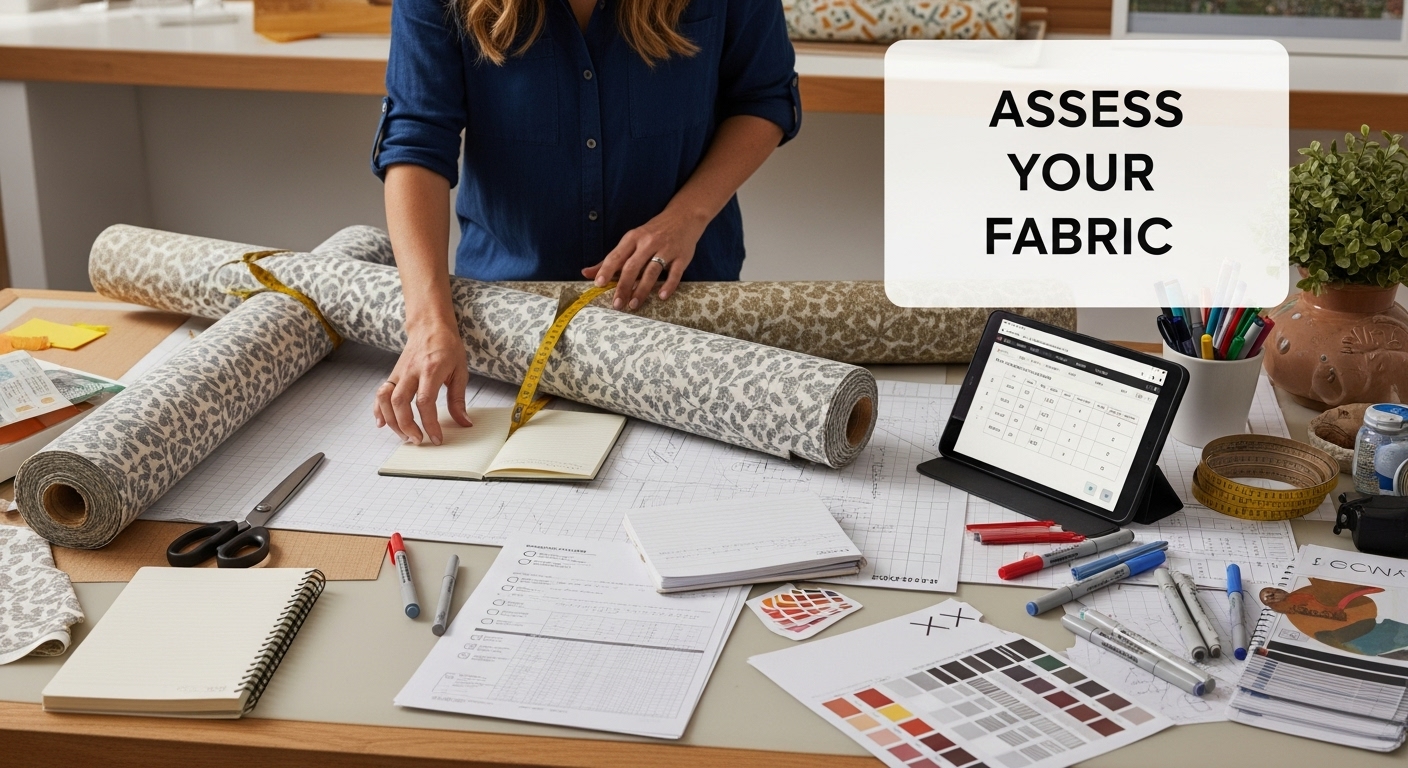
Buying fabric in bulk sounds simple enough. Multiply your project size and snag a discount and you are good to go. Not quite. One tiny miscalculation can force you to pay up to 15 percent more just to fix cutting errors or patch up last minute changes. The bigger shock comes when you realize the cheapest fabric is rarely the smartest buy. That one decision can make or break your entire project.
| Key Point | Explanation |
|---|---|
| 1. Assess project needs and budget | Understand your fabric requirements and budget constraints before purchasing to avoid costly mistakes. |
| 2. Research suppliers meticulously | Investigate potential suppliers for credibility and reliability, ensuring they can meet your material needs. |
| 3. Compare prices and fabric quality | Evaluate multiple suppliers based on price, material quality, and overall value rather than just the lowest price. |
| 4. Place your order with detail | Double-check all specifications, including yardage and color, and ensure clear communication with the supplier before finalizing your order. |
| 5. Verify order upon arrival | Inspect the fabrics immediately to confirm order accuracy and quality, documenting any discrepancies for supplier communication. |
Successful bulk fabric purchasing begins with a strategic and thoughtful assessment of your specific requirements. Understanding your project scope, budget constraints, and fabric characteristics will help you make informed decisions that prevent costly mistakes and ensure you acquire the right materials.
Start by thoroughly examining the intended purpose of your fabric acquisition. Are you purchasing for a large quilting project, creating a clothing line, designing home decor, or stocking inventory for a craft business? Each purpose demands different fabric qualities, quantities, and considerations. Your project’s specific requirements will significantly influence your purchasing strategy.
Carefully calculate the total fabric yardage needed for your project. Professional creators recommend adding an extra 10-15% to your initial measurement to account for potential cutting errors, pattern matching, or unexpected design modifications. This buffer prevents mid project panic and ensures you have sufficient material.
Consider fabric characteristics that align with your project needs. Weight, stretch, durability, and texture are critical factors. For instance, upholstery projects require heavy weight fabrics with high durability, while fashion design might demand lightweight, fluid materials. Research the specific properties required for your intended use.
Budget plays a pivotal role in bulk fabric purchasing. Establish a clear financial boundary before exploring purchasing options. Professional creators recommend allocating your budget across three key categories: primary fabric costs, potential shipping expenses, and a small contingency fund for unexpected opportunities or slight price variations.
Compare pricing across multiple suppliers, but don’t solely focus on the lowest price. Consider fabric quality, supplier reputation, minimum order quantities, and potential bulk discounts. Sometimes paying a slightly higher price guarantees better material consistency and reliability.
Successful bulk fabric purchasing is an art of balancing precise planning with flexible thinking. By meticulously assessing your needs and establishing a clear budget framework, you set the foundation for a smart, strategic procurement process that supports your creative vision.
Researching dependable fabric suppliers is a critical step that can make or break your entire bulk purchasing strategy. The right supplier transforms your fabric acquisition from a simple transaction into a strategic partnership that supports your creative vision and business objectives.
Begin your research by investigating potential suppliers through multiple channels. Online marketplaces, industry forums, and professional networking platforms offer valuable insights into supplier reliability. Look for suppliers with consistent positive reviews, transparent communication, and a proven track record in your specific fabric category.
Examine each potential supplier’s specialization and range. Some suppliers excel in specific fabric types like cotton, while others offer a broad textile portfolio. Matching a supplier’s strengths with your project requirements ensures you receive high quality materials that meet your exact specifications.
Pay close attention to supplier communication responsiveness. A reliable supplier should provide clear information about minimum order quantities, fabric specifications, pricing structures, and shipping timelines. Request fabric samples whenever possible to assess material quality before committing to a large purchase.
Develop a systematic approach to supplier evaluation. Create a comparative spreadsheet tracking key metrics such as:
Seek recommendations from professional networks and industry colleagues. Personal referrals often reveal nuanced insights that online reviews cannot capture. Attend trade shows, join textile professional groups, and engage with online communities to expand your supplier network.
Verify each supplier’s legal and business credentials. Check their business registration, tax identification, and industry certifications. Reputable suppliers will readily provide documentation demonstrating their professional standing.
Consider suppliers offering additional value beyond basic fabric sales. Look for those providing technical support, fabric care guidance, custom cutting services, or flexible ordering options. These value added services can significantly streamline your purchasing process and enhance overall project success.
Remember that finding the right fabric supplier is not about discovering a perfect vendor immediately, but about building a relationship with a reliable partner who understands your creative needs and can consistently deliver high quality materials.
Comparing fabric prices and quality requires a systematic approach that goes beyond simple price matching. Successful bulk fabric purchasing demands a nuanced evaluation of multiple factors that impact overall value and project success.
Price comparison is more than just looking at the lowest number. Professional creators understand that true value encompasses material quality, durability, consistency, and potential long term cost effectiveness. Begin by creating a comprehensive comparison spreadsheet that tracks not just initial pricing, but additional factors that influence your total investment.
Carefully examine fabric samples from multiple suppliers, evaluating critical attributes that impact performance. According to textile research on material characteristics, key quality indicators include tensile strength, colorfastness, weave consistency, and fabric weight. These technical aspects determine how well your fabric will perform under actual project conditions.
Consider the total cost of acquisition beyond the base price per yard. Factor in shipping expenses, potential bulk discounts, minimum order requirements, and sample costs. Some suppliers offer graduated pricing structures where larger orders result in significant per yard price reductions. Calculate your total project investment across different purchase scenarios to identify the most economical approach.
Develop a systematic scoring method for comparing fabric samples. Create an evaluation framework that assigns points for:
Photograph and document each fabric sample, noting specific characteristics that distinguish one material from another.
This visual and written record helps you make objective comparisons when memory might fail or options become overwhelming.
Remember that the cheapest option is not always the most cost effective. A slightly more expensive fabric with superior durability might provide better long term value, especially for projects requiring repeated use or significant wear. Professional creators prioritize performance and reliability over immediate cost savings.
Seek fabric samples from multiple suppliers simultaneously to conduct side by side comparisons. Many reputable textile vendors offer sample services, allowing you to physically assess material qualities before committing to a large purchase. This hands on approach provides invaluable insights that digital images or descriptions cannot fully communicate.
Placing a bulk fabric order represents the culmination of your strategic planning and research. This critical step transforms your preparation into tangible materials that will fuel your creative projects. Approach the ordering process with precision and attention to every procedural detail.
Before finalizing your purchase, conduct a final comprehensive review of all order specifications. Double check fabric quantities, color selections, and specific material characteristics to ensure exact alignment with your project requirements. Professional creators recommend creating a detailed order checklist that captures every critical specification.
Initiate communication with your selected supplier to confirm all order details. Request a written order confirmation that explicitly outlines fabric specifications, including:
Prepare for potential variations in ordering processes. Some suppliers require direct phone communication or specialized order forms, while others offer streamlined online purchasing platforms. Flexibility and clear communication are key to navigating these differences.
Carefully review payment terms and conditions. Some bulk fabric suppliers offer multiple payment options, including credit card, bank transfer, or negotiated payment plans for large orders. Understand the financial commitments and potential deposit requirements before finalizing your purchase.
Pay special attention to shipping logistics. Large fabric orders often involve complex transportation considerations. Confirm delivery methods, potential handling fees, and estimated arrival times. Professional creators recommend requesting detailed tracking information and establishing clear expectations about potential delivery windows.
Document every aspect of your order meticulously. Save email communications, order confirmations, and payment receipts. Create digital and physical copies of all transaction records. This documentation protects you in case of potential discrepancies or shipping issues.
After placing your order, maintain open communication channels with your supplier. Proactively follow up on order status, tracking information, and potential delivery updates. Successful bulk fabric purchasing is not just about the initial transaction but about building a reliable, long term purchasing relationship that supports your creative endeavors.
Receiving your bulk fabric order marks a critical moment in the purchasing process. Immediate and thorough inspection ensures you protect your investment and maintain project quality standards. Professional creators understand that careful verification is not just a formality, but a strategic protection of their creative resources.
Prepare a dedicated workspace for order inspection before the delivery arrives. Clear a large, clean surface with adequate lighting that allows comprehensive examination of fabric characteristics. Natural daylight provides the most accurate color and texture assessment, so position your inspection area near a window or use high quality lighting that mimics natural light conditions.
Begin your inspection by comparing the received materials against your original order documentation. Verify total yardage, checking each roll or bolt against the packing slip. Measure fabrics systematically, recording exact lengths to confirm complete order fulfillment. Use a professional measuring tape and document any discrepancies immediately.
Examine fabric quality through a comprehensive multi point assessment:
Photograph potential issues comprehensively. Create a detailed visual record documenting any fabric variations, potential defects, or discrepancies. These images serve as critical evidence should you need to communicate with the supplier about order quality.
Contact the supplier immediately if you identify significant variations from your original order specifications. Professional communication is key. Prepare a clear, factual summary of your findings, including specific measurements, photographic evidence, and precise descriptions of any quality concerns.
Remember that reputable suppliers typically have established return or replacement policies for bulk orders. Review these policies before initiating any return process. Some suppliers may offer credit, replacement fabrics, or partial refunds depending on the nature of the discrepancies.
Beyond immediate verification, store your fabric properly to maintain its quality. Roll fabrics carefully, avoiding sharp folds that could create permanent creases. Store in a cool, dry environment away from direct sunlight to preserve color integrity and prevent potential fabric degradation. Proper storage extends the usability and longevity of your bulk fabric investment.
Below is a checklist table to help streamline your fabric order verification process and ensure all critical aspects are thoroughly inspected upon delivery.
| Verification Step | What to Check | Why It Matters |
|---|---|---|
| Confirm total yardage | Measure each roll or bolt against packing slip | Ensures complete order fulfillment |
| Inspect color consistency | Examine all fabrics for consistent color matching | Maintains quality and aesthetic |
| Check weave and texture uniformity | Look for even weave and consistent fabric texture | Prevents defects from affecting project |
| Identify manufacturing defects | Scan for flaws such as holes, stains, or snags | Protects integrity of finished product |
| Match with original samples | Compare received fabric to previously approved samples | Verifies specification accuracy |
| Assess fabric weight/composition | Confirm weight and composition align with project requirements | Ensures suitability for end use |
| Document discrepancies | Take detailed photos and notes of any issues found | Aids resolution with supplier |

Bulk fabric buying can feel overwhelming with so many choices and the risk of costly mistakes. You need to be sure your material matches your vision so all the planning pays off. If searching for the right supplier leaves you worried about quality or stuck comparing yards of confusing options, you are not alone. Creators want reliability, clear information, and an effortless way to shop.
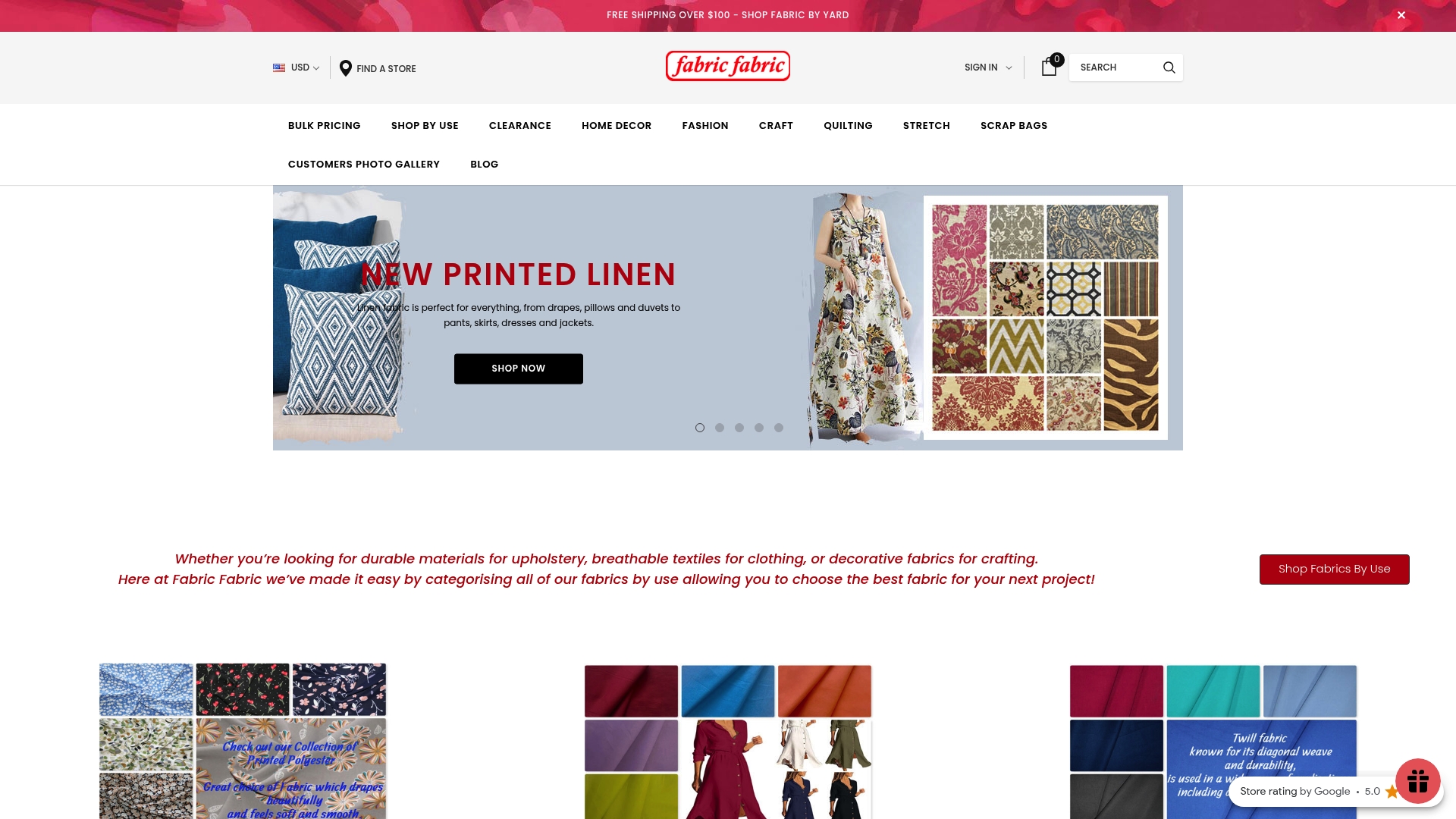
Let Fabric-Fabric.com solve your fabric sourcing needs now. Our detailed product listings help you see every option clearly whether you need sturdy upholstery fabrics for large orders or lightweight seersuckers for fashion lines. You get clear descriptions, easy filtering for projects like home decor material, and seasonal deals that fit your budget. Shop now to avoid shortages and get your next big project started with materials you can trust. Visit Fabric-Fabric.com today and experience bulk buying designed for creators like you.
To assess your fabric needs, consider the project’s scope, budget, and specific fabric characteristics like weight, stretch, and durability. Calculate the total yardage needed and add an extra 10-15% for potential cutting errors or design changes.
When comparing fabric prices, look beyond the lowest price. Evaluate material quality, durability, shipping costs, and potential bulk discounts. Assess fabric samples for attributes like tensile strength and color consistency to ensure you select the best option.
Establish a clear budget by allocating funds across primary fabric costs, shipping expenses, and a contingency fund for unexpected costs. Compare prices from multiple suppliers while considering the quality and reputation of the fabrics offered.
Upon receipt of your order, verify the total yardage against your order documentation. Examine fabric quality for consistency and defects. Document any discrepancies with photographs and contact the supplier promptly if issues are found.