

 US Dollar

Best linen drapes for stylish, durable spaces in 2026
Posted by BLG on 2026 Mar 9th
Posted by BLG on 2026 Mar 9th


Choosing linen drapes that deliver both timeless elegance and lasting durability remains a challenge for many decorators and designers. With countless options flooding the market, understanding fiber quality, weave density, and fabric weight becomes essential to making confident selections. This guide breaks down the critical selection criteria, compares top linen drape types, and shares expert-endorsed recommendations to help you invest in beautiful, functional window treatments that elevate your residential or commercial spaces in 2026.
| Point | Details |
|---|---|
| Selection criteria | Fiber quality, fabric weight, weave tightness, and finishing treatments determine linen drape performance and longevity. |
| Weight matters | Heavier linens (10-12 oz/yard) provide superior insulation for commercial spaces; lighter weights (<8 oz/yard) suit casual residential areas. |
| Expert brands | Top designers favor Libeco and Rough Linen for sustainability, 100% flax purity, and quality, with over 60% industry endorsement. |
| Pricing tiers | Premium 100% natural linen ranges $50-$150 per yard; linen-cotton blends offer moderate quality at $30-$70 per yard. |
The quality of linen drapes is primarily influenced by flax fiber length and weave tightness, with longer fibers and tighter weaves yielding more durable and luxurious drapes. Premium linen uses flax fibers exceeding 16mm in length, creating smoother surfaces and stronger fabric structures. Weave density matters significantly, too. Fabrics with 150 or more threads per inch deliver better longevity and resist snags compared to loosely woven alternatives.
Fabric weight directly affects how drapes hang, filter light, and insulate your space. Heavier linens create fuller, more dramatic folds while blocking light more effectively. They also provide superior temperature regulation, keeping interiors cooler in summer and warmer in winter. Lighter weights offer a relaxed, breezy aesthetic but sacrifice some privacy and thermal performance.
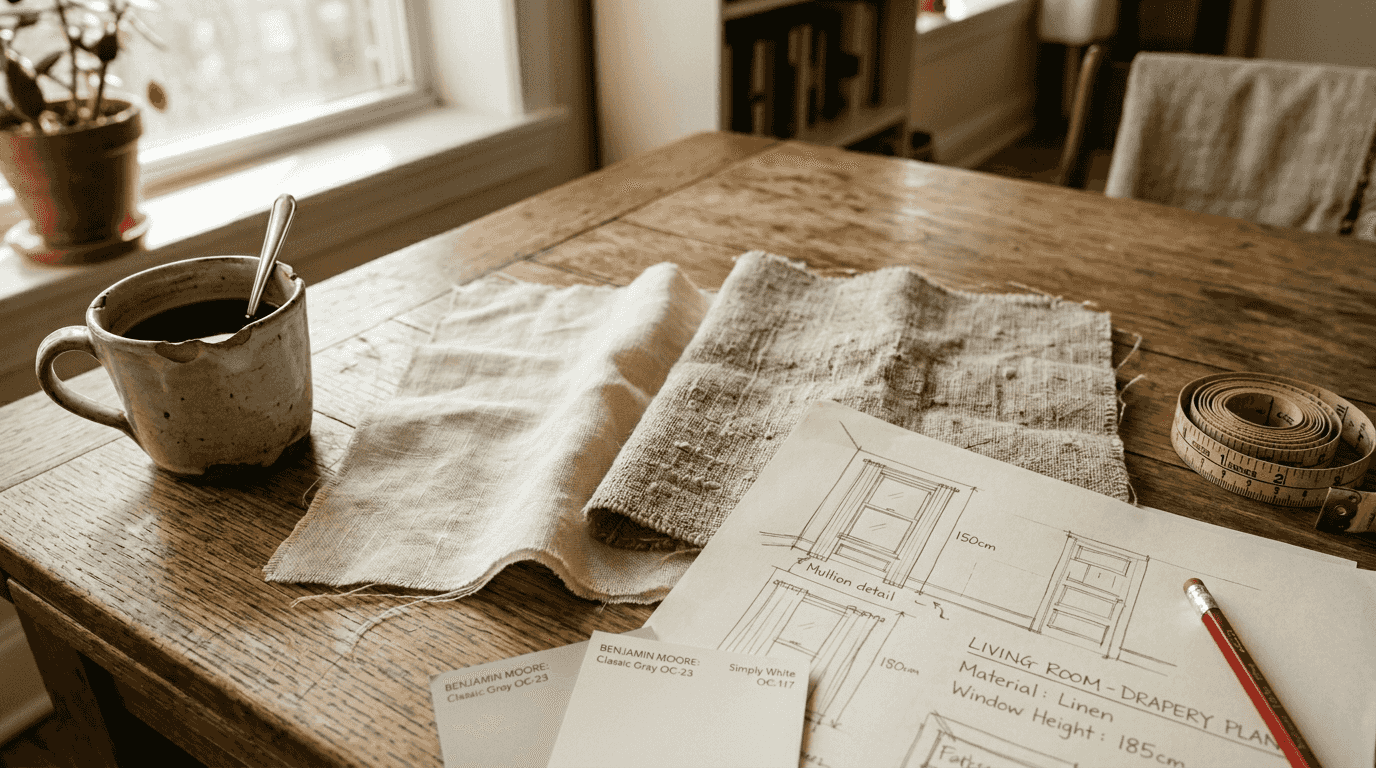
Finishing treatments play a crucial role in both appearance and health considerations. Dye certifications like OEKO-TEX Standard 100 indicate low chemical exposure, making them ideal for bedrooms and spaces where indoor air quality matters. Understanding fabric finishes explained uses benefits helps you avoid harsh chemicals that compromise durability over time.
Linen-cotton blends introduce wrinkle resistance and softness but may reduce the natural breathability that makes pure linen special. These blends suit spaces where easy care outweighs traditional linen characteristics. Consider your priorities carefully before choosing between purity and convenience.
Key quality indicators to check:
Pro Tip: Request fabric samples before ordering full yardage. Hold them against natural light to assess transparency and examine the weave tightness with a magnifying glass to spot quality differences.
Environmental and health factors deserve attention when selecting finishing treatments. Natural, unbleached linens preserve fiber integrity better than heavily processed alternatives. Bleaching weakens tear strength, reducing overall durability. Learning why fabric finishes matter empowers you to balance aesthetics with long-term performance.
Heavy linens weighing 10-12 ounces per yard create the most luxurious window treatments. Their substantial weight produces elegant, structured folds that maintain shape beautifully. These fabrics excel in commercial settings like hotels, restaurants, and executive offices where durability and formal presentation matter most. The added mass provides excellent sound dampening and light blocking, creating private, quiet environments.
Lightweight linens under 8 ounces per yard suit casual residential spaces perfectly. They allow more natural light penetration while maintaining privacy during daylight hours. Their relaxed drape creates an informal, welcoming atmosphere ideal for living rooms, sunrooms, and coastal-style interiors. However, expect less fullness and reduced insulation compared to heavier alternatives.
Bleached linens sacrifice durability for brightness. Processing removes natural lignin that strengthens fibers, resulting in weaker tear resistance and faster wear. If you prioritize pure white aesthetics, accept the tradeoff between appearance and longevity. Natural linen colors age more gracefully and maintain structural integrity longer.
Weave density controls light filtering more precisely than weight alone. Tighter weaves with higher thread counts block light intrusion effectively even in lighter-weight fabrics. This characteristic lets you achieve privacy without sacrificing the airy feel lighter linens provide. Understanding fabric texture upholstery impact reveals how weave affects both visual and tactile qualities.
Comparison of linen drape types:
| Fabric Type | Weight | Light Filtering | Insulation | Best Use |
|---|---|---|---|---|
| Heavy natural linen | 10-12 oz/yard | Excellent | Superior | Commercial, formal spaces |
| Medium natural linen | 8-10 oz/yard | Good | Moderate | Residential bedrooms, dining |
| Lightweight linen | <8 oz/yard | Fair | Minimal | Casual living areas, sunrooms |
| Linen-cotton blend | 7-9 oz/yard | Good | Moderate | Easy-care residential spaces |
Natural linen breathability supports healthier indoor environments by regulating humidity and resisting mold growth. This makes it exceptional for allergy-sensitive households and spaces requiring consistent air quality. Exploring pros and cons of linen fabrics and projects helps you weigh these health benefits against maintenance requirements.
Pro Tip: For transitional spaces between formal and casual, choose medium-weight linens (8-10 oz/yard). They strike an excellent balance between structure and relaxation while offering versatile styling options.
Top industry brands like Libeco and Rough Linen are consistently recommended by interior designers for their superior 100% flax fiber quality and sustainable production methods. Survey data shows over 60% of professional decorators specify these brands for high-end residential and commercial projects. Their reputation stems from transparent sourcing, rigorous quality control, and commitment to traditional weaving techniques that modern mass production often skips.
Sustainability drives expert brand selection as much as fiber purity. Designers increasingly prioritize manufacturers using organic flax cultivation, low-impact dyes, and ethical labor practices. These factors align with client values while delivering fabrics that perform exceptionally over decades. The environmental footprint of your window treatments matters more than ever as conscious consumerism shapes interior design trends.
Price-quality correlation remains strong in the linen market. Premium brands charging $100-$150 per yard typically source longer-staple flax, employ tighter weaves, and use superior finishing processes. Mid-range options at $50-$80 per yard often deliver acceptable quality for residential projects but may compromise on fiber length or weave density. Understanding this relationship helps you allocate budgets effectively.
Expert selection priorities:
Designers emphasize matching fabric properties to project requirements rather than defaulting to the most expensive option. A casual beach house benefits more from moderately priced, lighter-weight linen than premium heavy drapes designed for formal estates. Reviewing drapery fabric options 2025 comparison reveals how different materials serve distinct design goals.
“The right linen drape transforms a space from decorated to designed. Quality fiber and proper weight selection matter far more than brand recognition alone.” - Leading interior design expert
Exploring top luxury textiles for interiors comparison positions linen within the broader landscape of premium window treatment options. This context helps justify investment decisions when clients question pricing.
Premium 100% natural linen drapes typically range $50-$150 per yard, reflecting quality variations in fiber sourcing, weaving complexity, and finishing treatments. Expect to pay top-tier prices for European-milled fabrics using certified organic flax and traditional production methods. These investments pay dividends through superior durability, with properly maintained linen drapes lasting 15-20 years in residential settings.
Linen-cotton blends offer moderate durability at $30-$70 per yard, making them accessible for budget-conscious projects. The cotton content reduces production costs while adding softness and wrinkle resistance. However, these blends sacrifice some breathability and may not develop the characteristic linen patina that many designers prize.
Availability varies significantly by region and production scale. North American retailers often stock limited color ranges, requiring special orders for custom shades that extend lead times to 6-12 weeks. European suppliers maintain broader inventories but add shipping costs and import duties that affect final pricing. Plan projects with adequate lead time to avoid rush fees or settling for less-preferred alternatives.
Budget planning factors:
Seasonal demand and supply chain factors affect both price and availability throughout the year. Spring and fall renovation seasons create temporary shortages of popular weights and colors. Ordering during winter or summer often yields better pricing and faster delivery. Smart timing saves money without compromising quality.
Cost-quality tradeoffs require honest assessment of project requirements. High-traffic commercial installations justify premium fabrics that resist wear and maintain appearance under stress. Guest bedrooms or secondary spaces perform well with mid-range options that balance quality and economy effectively.
Heavy weight 100% natural linens suit high-traffic commercial and formal residential spaces where durability and prestigious appearance matter most. Hotels, restaurants, law offices, and executive boardrooms benefit from the substantial drape and sound-dampening qualities these fabrics provide. Their resistance to sagging and fading under constant exposure justifies higher upfront investment through reduced replacement frequency.
Linen-cotton blends work beautifully in casual residential rooms needing wrinkle resistance and softer hand feel. Family rooms, breakfast nooks, and informal dining areas gain the linen aesthetic without demanding rigorous maintenance. These blends tolerate frequent opening and closing better than pure linen while maintaining acceptable durability for moderate-use environments.
Natural dyed linens excel in health-sensitive interiors where chemical exposure concerns guide material selection. Nurseries, bedrooms for allergy sufferers, and wellness-focused spaces benefit from minimal off-gassing and improved indoor air quality. While color options remain more limited than chemically dyed alternatives, the health advantages often outweigh aesthetic compromises.
Matching linen drapes to spaces:
Wrinkle resistance versus durability creates the primary decision point for most projects. Pure linen wrinkles beautifully, creating character that many designers celebrate as part of its charm. Clients prioritizing crisp, pressed appearances should consider blends or plan for regular steaming maintenance.
Light filtering and insulation needs dictated by space function and orientation guide weight selection. South-facing windows benefit from heavier fabrics that block intense afternoon sun while north-facing rooms work well with lighter weights that maximize available daylight. Comparing window tinting vs curtains or blinds reveals complementary solutions for light control challenges.
Pro Tip: Layer lightweight linen drapes over cellular shades to achieve both aesthetic appeal and superior insulation. This combination lets you control light precisely while enjoying linen’s textural beauty.
Consolidating key attributes across linen drape types simplifies final decision-making. This reference table integrates fabric weight, weave characteristics, performance metrics, pricing tiers, and recommended applications to support confident selections aligned with project requirements.
| Attribute | Heavy Natural Linen | Medium Natural Linen | Lightweight Linen | Linen-Cotton Blend |
|---|---|---|---|---|
| Weight Range | 10-12 oz/yard | 8-10 oz/yard | <8 oz/yard | 7-9 oz/yard |
| Weave Density | 160-180 TPI | 140-160 TPI | 120-140 TPI | 130-150 TPI |
| Light Filtering | Excellent (85-95%) | Good (70-85%) | Fair (50-70%) | Good (65-80%) |
| Insulation | Superior | Moderate | Minimal | Moderate |
| Price Tier | Premium ($100-$150/yard) | Mid-High ($70-$100/yard) | Mid-Range ($50-$80/yard) | Budget-Mid ($30-$70/yard) |
| Wrinkle Resistance | Low | Low | Low | Moderate-High |
| Breathability | Excellent | Excellent | Excellent | Good |
| Durability Grade | 15-20 years | 12-18 years | 8-12 years | 10-15 years |
| Best Application | Commercial high-traffic, formal residential | Residential bedrooms, dining rooms | Casual living spaces, sunrooms | Easy-care residential rooms |
| Maintenance | Professional cleaning recommended | Professional or careful home laundering | Home laundering acceptable | Machine washable |
This comparison reveals how fabric weight correlates directly with performance characteristics and pricing. Heavier linens command premium prices but deliver superior longevity and formal aesthetics. Lighter options trade durability for affordability and casual appeal.
Weave density impacts both appearance and function across all weight categories. Higher thread counts create smoother surfaces, better light blocking, and improved tear resistance regardless of overall fabric weight. Referencing pros and cons of linen fabrics and projects provides additional context for balancing these attributes.
Breathability remains consistently excellent in pure linen across all weights, distinguishing it from synthetic alternatives. This natural property regulates humidity and resists mold growth, creating healthier indoor environments. Blends sacrifice some breathability for improved wrinkle resistance and easier care.
Transforming your vision into reality starts with sourcing premium fabrics that meet professional quality standards. Our curated selection includes natural linen drapes matching the expert criteria outlined throughout this guide, from heavy commercial-grade options to lightweight residential favorites. Browse our extensive home decor fabric collection to discover coordinating textiles for complete room transformations.
Beyond window treatments, explore complementary categories like backdrop fabrics for staging and photography needs. Our user-friendly online platform simplifies selection with detailed specifications, real-time inventory, and responsive customer support. Contact our fabric specialists for personalized recommendations tailored to your specific project requirements and design goals.
Heavier linens around 10-12 ounces per yard provide superior insulation and fullness compared to lighter weights. Their substantial mass blocks heat transfer more effectively while creating dramatic folds. Ideal for spaces requiring temperature control and enhanced privacy throughout the year.
Linen-cotton blends generally demonstrate better wrinkle resistance due to cotton’s natural softness and flexibility. These blends maintain a smoother appearance with less frequent pressing. They offer an excellent balance of linen aesthetics with easier maintenance for busy households.
Heavier weight, unbleached 100% natural linen drapes excel in commercial settings for superior durability and formal aesthetics. They withstand high-traffic conditions while maintaining professional appearance longer than lighter alternatives. The investment pays returns through reduced replacement frequency and consistent brand presentation.