

 Canadian Dollars

7 Types of Quilting Fabrics Every Crafter Should Know
Posted by BLG on 2025 Oct 14th
Posted by BLG on 2025 Oct 14th

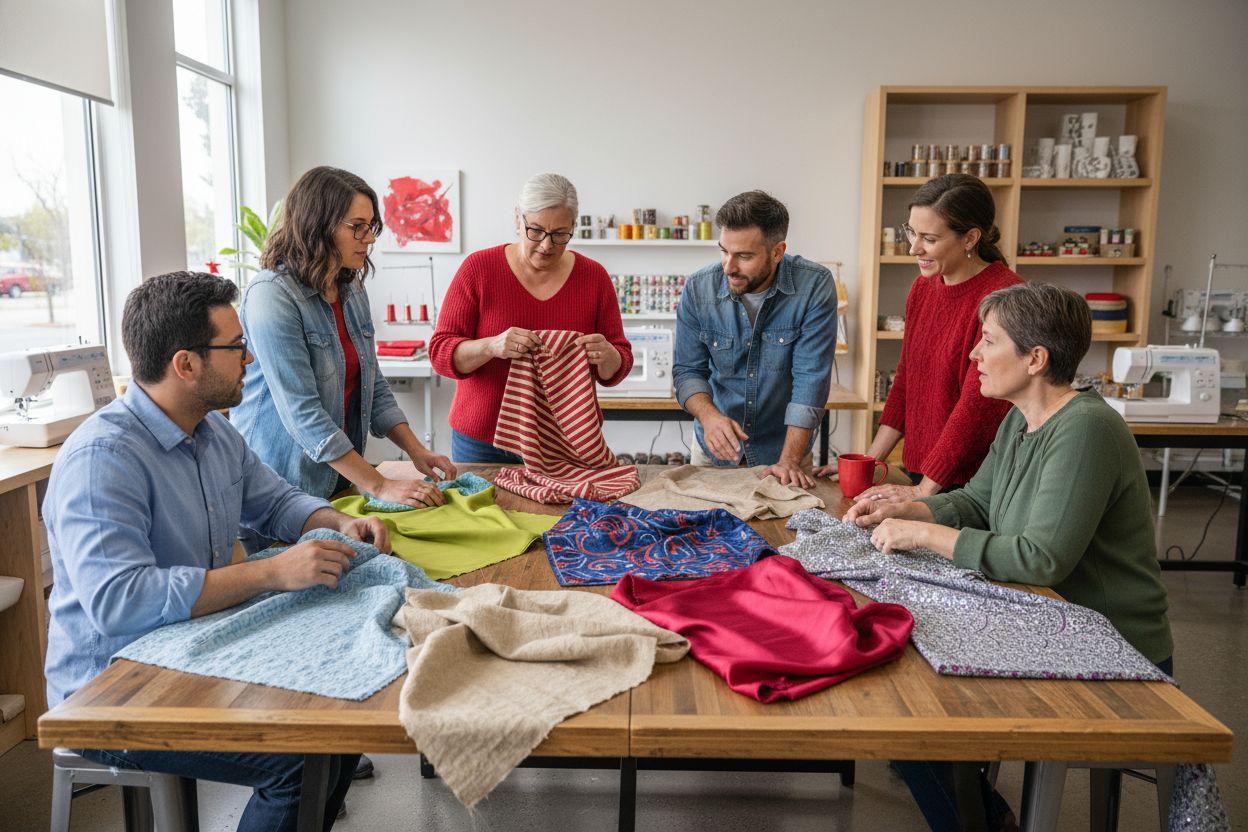
Quilters spend hours searching for the perfect fabric, and cotton is usually the first stop thanks to its soft feel and reliable strength. Surprising as it sounds, some quilters even trust cotton to handle over 75 washes without losing vibrancy or shape. Yet cotton is far from the only contender. From batiks made with ancient wax techniques to specialty fabrics that shimmer and change color, the world of quilting fabrics holds some unexpected secrets waiting to be discovered.
| Takeaway | Explanation |
|---|---|
| Choose high-quality cotton for durability | High-quality cotton fabrics offer breathability, softness, and long-lasting performance suitable for various quilting techniques. |
| Pre-wash fabrics to prevent issues | Pre-washing cotton and flannel fabrics helps prevent shrinkage and color bleeding, ensuring quilt longevity and vibrancy. |
| Explore specialty fabrics for unique designs | Incorporating specialty fabrics, like metallics or velvets, can elevate traditional quilts into unique artistic expressions. |
| Consider fabric weight for project suitability | Different fabric weights are ideal for specific quilting projects, influencing warmth, texture, and overall design. |
| Understand fabric properties before selection | Each fabric type, from silk to polyester, has unique qualities that impact ease of use and final appearance in quilting. |
Cotton remains the quintessential fabric for quilting, prized by crafters for its versatility, comfort, and exceptional performance. When exploring types of quilting fabrics, cotton stands out as a foundational material that offers remarkable qualities perfect for creating stunning textile projects.
Quilters appreciate cotton for its natural properties that make it ideal for crafting. High-quality cotton fabrics provide excellent breathability, softness, and durability, ensuring quilts that not only look beautiful but also withstand frequent use and washing. According to The Textile Museum, cotton fibers have unique characteristics that contribute to their widespread popularity in quilting.
When selecting cotton for quilting, crafters should consider several critical factors:
Modern cotton fabrics come in an impressive array of styles, from traditional solid colors to intricate printed designs. Quilting cotton specifically refers to a medium weight fabric with a tight weave that prevents distortion during cutting and piecing. These fabrics typically feature higher thread counts ranging between 60 to 75 threads per square inch, which ensures stability and precision in quilting projects.
Professional quilters often recommend pre-washing cotton fabrics to prevent potential shrinkage and color bleeding. This preparation step helps maintain the integrity of the final quilt, ensuring colors remain vibrant and consistent. The Professional Quilters Association suggests that proper fabric preparation can significantly enhance the longevity and appearance of quilting projects.
Whether you are creating traditional bed quilts, contemporary wall hangings, or intricate artistic pieces, cotton fabrics provide an exceptional foundation for your creative vision. Understanding the nuanced characteristics of cotton will empower you to select the perfect fabric for your unique quilting endeavors.
Polyester represents a revolutionary synthetic fabric that has transformed the landscape of quilting materials, offering unique characteristics that distinguish it from traditional natural fibers. As one of the essential types of quilting fabrics, polyester brings remarkable properties that appeal to modern crafters seeking durability and performance.
Synthetic fiber technology has advanced significantly, making polyester an increasingly popular choice for quilting projects. According to The Textile Research Journal, polyester fabrics offer exceptional resistance to wrinkles, shrinkage, and color fading, making them ideal for quilts that require minimal maintenance.
Key advantages of polyester for quilting include:
Quilters appreciate polyester for its ability to maintain shape and color over extended periods. Microfiber polyester, in particular, provides an incredibly soft texture that mimics natural fabrics while offering superior performance. These fabrics can withstand frequent washing without losing their structural integrity or aesthetic appeal.
The American Quilters Society notes that polyester blends have become increasingly sophisticated, offering quilters more versatile options for their creative projects. Modern polyester fabrics can simulate the feel of cotton while providing enhanced performance characteristics.
When selecting polyester for quilting, crafters should consider factors such as thread count, fabric weight, and intended use. Lightweight polyester works excellently for summer quilts, while heavier weights provide warmth for winter projects. The fabric’s ability to resist wrinkles and maintain crisp lines makes it particularly appealing for intricate quilting designs.
While pure polyester offers remarkable benefits, many quilters opt for polyester blends that combine the best qualities of synthetic and natural fibers. These hybrid fabrics provide a balanced approach, delivering comfort, durability, and ease of maintenance that modern crafters demand.
Batik fabrics represent a stunning and intricate type of quilting material that brings extraordinary cultural artistry and design complexity to textile projects. Originating from traditional Indonesian craftsmanship, these fabrics offer quilters an opportunity to incorporate rich historical narrative and exceptional visual complexity into their creations.
Batik fabric production involves a complex wax-resist dyeing technique that creates mesmerizing patterns and color variations. According to The International Textile Museum, the process requires extraordinary skill and precision, with artisans carefully applying melted wax to fabric before immersing it in multiple dye baths.
Key characteristics of batik fabrics include:
Quilting with batik fabrics provides textile artists with unparalleled design opportunities. These fabrics typically feature cotton base materials with intricate patterns created through meticulous wax-resist techniques. The resulting textiles showcase extraordinary color gradations and sophisticated visual textures that cannot be replicated through standard printing methods.
The Textile Arts Center emphasizes that batik fabrics represent more than mere decorative materials they embody cultural storytelling and artistic expression. Professional quilters appreciate batik fabrics for their ability to add depth, visual complexity, and cultural significance to textile projects.
When selecting batik fabrics for quilting, crafters should examine the quality of wax application, color depth, and fabric weight. High-quality batik fabrics typically feature tightly woven cotton with smooth, consistent dye penetration and minimal fabric distortion. The unique production process ensures that each piece becomes a one-of-a-kind artistic statement.
Modern batik fabrics have expanded beyond traditional Indonesian color palettes, offering contemporary quilters diverse design options ranging from subtle earth tones to vibrant, bold color combinations. These fabrics transform ordinary quilting projects into extraordinary artistic expressions that celebrate both technical craftsmanship and cultural heritage.
Flannel fabrics represent a remarkable textile option for quilters seeking warmth, softness, and exceptional comfort in their textile projects. These wonderfully textured materials provide a unique combination of functionality and aesthetic appeal that sets them apart from other quilting fabrics.
Flannel’s distinctive characteristics make it a favorite among quilting enthusiasts who desire cozy, inviting textile creations. According to The Textile Research Institute, flannel fabrics typically feature a soft, brushed surface created through a specialized finishing process that raises fibers, creating an incredibly plush texture.
Key advantages of flannel for quilting include:
Fabric composition plays a crucial role in flannel’s performance. While traditionally made from cotton, modern flannel fabrics can incorporate wool, synthetic fibers, or blended materials. The Professional Quilters Association notes that these variations offer quilters expanded options for creating projects with different weight, stretch, and warmth characteristics.
Quilters appreciate flannel for its remarkable ability to create quilts with incredible depth and visual complexity. The fabric’s slightly fuzzy surface helps hide minor imperfections in piecing, making it an excellent choice for both beginner and advanced quilters. Heavyweight flannel fabrics work particularly well for winter quilts, providing substantial warmth and a luxurious feel.
When selecting flannel for quilting projects, crafters should consider fabric weight, fiber content, and potential shrinkage. Pre-washing flannel becomes essential to prevent unexpected size changes and ensure consistent performance. The fabric’s tendency to create soft, muted visual effects makes it perfect for creating quilts with a vintage or rustic aesthetic.
Modern flannel fabrics come in an extensive range of colors and prints, from traditional plaids to contemporary geometric designs. This versatility allows quilters to create projects that range from traditional cabin-style blankets to modern artistic textile compositions, demonstrating flannel’s remarkable adaptability in the quilting world.
Silk represents the pinnacle of luxury and refinement in quilting fabrics, offering crafters an opportunity to create truly extraordinary textile masterpieces. This delicate yet surprisingly strong natural fiber brings unparalleled elegance and sophistication to quilting projects.
Silk’s unique properties make it a remarkable choice for discerning quilters seeking exceptional quality. According to The International Silk Association, silk fibers possess extraordinary tensile strength and remarkable temperature regulation capabilities, making them far more versatile than many crafters initially assume.
Key considerations when working with silk fabrics include:
Professional quilters recognize silk as more than just a decorative material. The Textile Research Center emphasizes that silk fabrics offer remarkable durability when properly prepared and maintained, challenging the misconception that silk is inherently fragile.
Quilting with silk demands precision and specialized techniques. The fabric’s smooth surface and intricate weave require careful cutting, precise seam allowances, and gentle handling. Silk blends, which incorporate silk with other fibers like cotton or polyester, provide more stability for quilters who want to incorporate silk’s luxurious qualities without excessive complexity.
When selecting silk for quilting, crafters should examine several critical factors. Different silk varieties like charmeuse, chiffon, and dupioni offer distinct textures and visual effects. The weight, sheen, and transparency of the fabric will significantly impact the final quilting design.
Modern silk fabrics come in an impressive array of colors and finishes, enabling quilters to create projects ranging from traditional heirloom pieces to contemporary artistic expressions. Whether used as accent panels or primary fabric, silk introduces a level of sophistication that transforms ordinary quilts into extraordinary textile art.
Linen fabrics represent a remarkable textile option for quilters seeking natural durability, exceptional texture, and timeless aesthetic appeal. This ancient fabric offers unique characteristics that elevate quilting projects beyond ordinary textile design, providing crafters with a material that combines historical significance and contemporary versatility.
Linen’s distinctive properties make it an extraordinary choice for discerning quilters. According to The Natural Fiber Institute, linen fibers possess remarkable strength and become softer with each washing, creating quilts that improve in texture and comfort over time.
Key advantages of linen for quilting include:
Professional quilters appreciate linen for its ability to create textured, sophisticated designs. The Textile Research Association notes that linen’s unique weave structure allows for intricate piecing and provides a beautiful, slightly irregular surface that adds depth to quilting projects.
Understanding linen’s characteristics becomes crucial for successful quilting. The fabric tends to wrinkle easily, which can be strategically incorporated into design elements or managed through careful preparation. Pre-washing linen fabrics helps minimize potential shrinkage and establishes a consistent base for quilting projects.
Quilters can select from various linen weights and blends, ranging from lightweight summer quilts to heavyweight winter designs. Pure linen and linen-cotton blends offer different textures and performance characteristics, allowing crafters to choose materials that best suit their specific project requirements.
Modern linen fabrics come in an extensive range of colors and weave patterns, from traditional neutral tones to contemporary bold designs. This versatility enables quilters to create projects that range from minimalist art pieces to complex, multi-layered textile compositions, demonstrating linen’s remarkable adaptability in the quilting world.
Specialty fabrics offer quilters an extraordinary opportunity to transform traditional textile projects into extraordinary artistic expressions. These unique materials push the boundaries of conventional quilting, introducing innovative textures, techniques, and visual complexity that elevate craft projects beyond standard design approaches.
Specialty fabric exploration represents a cutting-edge approach to quilting that challenges traditional creative boundaries. According to The Contemporary Quilters Guild, innovative textile technologies have expanded the range of materials available to modern crafters, enabling increasingly sophisticated design possibilities.
Key specialty fabric categories include:
Professional quilters recognize that specialty fabrics require specialized handling and creative vision. The International Textile Innovation Center emphasizes that these materials demand precise techniques to maximize their unique characteristics and prevent potential structural challenges.
Vinyl, organza, and lightweight mesh fabrics offer fascinating opportunities for creating dimensional quilting effects. These materials can be strategically incorporated to add visual depth, transparency, and architectural interest to textile projects. Experimental quilters might combine multiple specialty fabrics to create truly unique artistic statements that challenge traditional quilting conventions.
Technological advancements have introduced extraordinary fabric options like thermochromic materials that change color with temperature, and conductive fabrics that can integrate electronic components. These cutting-edge textiles transform quilting from a traditional craft into a potential platform for technological and artistic innovation.
Successful specialty fabric integration requires careful consideration of fabric weight, structural integrity, and complementary design elements. Quilters must balance creative vision with technical understanding, selecting materials that not only look remarkable but also maintain the fundamental functional qualities of a high-quality quilt.
Below is a comprehensive table summarizing the key characteristics, benefits, and usage tips for each major quilting fabric type discussed in the article.
| Fabric Type | Key Characteristics | Primary Benefits | Considerations/Usage Tips |
|---|---|---|---|
| Cotton | Natural, breathable, soft, high thread count | Durable, versatile, withstands frequent washing | Pre-wash to avoid shrinkage/color bleed, choose tight weaves |
| Polyester | Synthetic, wrinkle-resistant, colorfast, moisture-resistant | Highly durable, low-maintenance, quick drying | Great for blends, select by weight |
| Batik | Wax-resist dyed, intricate patterns, usually cotton base | Unique designs, rich colors, cultural artistry | Look for quality dye/wax, tight weave |
| Flannel | Soft, brushed surface, can be cotton or blend | Warmth, softness, hides imperfections | Heavyweight for winter, pre-wash to prevent shrinkage |
| Silk | Smooth, lustrous, temperature regulating, delicate | Elegant, strong, luxurious finish | Handle gently, precise cutting/seaming, consider blends for stability |
| Linen | Textured, strong, highly breathable, natural fiber | Durable, softens over time, timeless look | Pre-wash, manage wrinkling, suits both summer and winter quilts |
| Specialty Fabrics | Includes metallic, velvet, technical or innovative fabrics | Adds unique texture, shimmer, dimension, innovation | Use with creative techniques, ensure stability and integration with other fabrics |
You have just explored the world of quilting fabrics, from classic cotton and soft flannel to luxurious silk and unique batik. But choosing the right material can still feel overwhelming when you want your project to be both beautiful and durable. The article discussed how details like weave, weight, and special finishes impact your work. Sometimes it is tough to find trusted fabrics that meet these key requirements for every quilting style or creative twist you have in mind.
Discover the difference that top-quality fabric makes at fabric-fabric.com. Our collection covers all the essential quilting materials discussed in the guide, so you can easily match your vision with the right textile. Shop with confidence knowing that our clear product descriptions and suggestions simplify the selection process. Ready to transform your ideas into stunning quilts? Explore our full range at fabric-fabric.com and take advantage of current offers before they end.
High-quality cotton fabrics are known for their breathability, softness, and durability, making them ideal for quilting. To choose the right cotton, look for fabrics with a tight weave and higher thread counts, typically between 60 to 75 threads per square inch.
Polyester fabrics are synthetic and offer greater durability, quick drying, and resistance to wrinkles compared to cotton. When selecting polyester, consider its weight and thread count to ensure it meets your project’s needs.
When buying batik fabrics, focus on the quality of the wax application, the depth of the colors, and the fabric weight. For optimal results, choose tightly woven cotton that showcases intricate patterns and textures.
Flannel fabrics add warmth and softness, creating cozy quilts that are perfect for colder months. Select heavyweight flannel for superior insulation, and pre-wash it to prevent any unexpected shrinkage after your project is finished.
When quilting with silk, handle it gently due to its delicacy, and ensure your cutting and seam allowances are precise. Experiment with silk blends to enjoy the luxurious qualities while enhancing stability and ease during the quilting process.
Specialty fabrics can add unique textures, colors, and visual complexity to your quilting projects. Incorporate materials like metallic fabrics or textured velvets to enhance your designs, and be sure to use techniques that maximize their distinctive properties.