

 US Dollar

7 Steps to a Successful Fabric Selection Checklist
Posted by BLG on 2025 Sep 25th
Posted by BLG on 2025 Sep 25th


Picking the right fabric can make or break your entire project. There are over 30,000 types of fabrics, and each one affects how your finished piece will look, feel, and last. Most people only glance at color or price tags, thinking that is enough. The truth is, a smart fabric selection comes down to understanding details nobody talks about—and those hidden factors can save you time, money, and a ton of frustration.
| Takeaway | Explanation |
|---|---|
| Understand fiber types and their uses | Natural, synthetic, and blended fibers each have unique properties that impact performance and comfort. Choosing the right type is crucial for project success. |
| Evaluate fabric weight for functionality | Fabric weight affects drape and structure. Knowing the categories helps determine suitability for different clothing and design needs. |
| Check fabric composition for quality | Analyzing fiber content and blend ratios ensures durability and performance. Quality composition supports long-term use and satisfaction. |
| Consider color and pattern coordination | Effective color choices enhance aesthetics and project success. Understanding color dynamics and emotional impact enriches design quality. |
| Create a budget and source wisely | Budgeting entails assessing total costs and supplier options. Quality should be prioritized over the lowest price for better long-term value. |
Creating a comprehensive fabric selection checklist begins with understanding the diverse world of textiles and their unique characteristics. Your fabric choice dramatically impacts the success of any project, whether you are designing clothing, crafting home decor, or developing professional apparel.
According to Ohio State University Extension, fabrics can be categorized into three primary origins: natural fibers, synthetic fibers, and blended fibers. Each category offers distinct properties that influence performance, comfort, and appearance.
Natural fiber fabrics like cotton, silk, wool, and linen provide exceptional breathability and comfort. They absorb moisture effectively and work wonderfully for clothing and lightweight applications. Synthetic fibers such as polyester, nylon, and acrylic offer superior durability, wrinkle resistance, and often more affordable pricing. Blended fabrics combine the best qualities of both natural and synthetic materials.
Key considerations when evaluating fabric types include:
For crafters and designers, understanding fabric characteristics means making informed selections that ensure project success. Your fabric selection checklist must prioritize matching material properties with specific project needs, whether you are creating a delicate evening gown or robust upholstery.
Remember that fabric performance depends not just on fiber type, but also on weave structure, weight, and finishing treatments. A lightweight cotton might be perfect for summer shirts, while a heavy twill could be ideal for workwear or outdoor gear.
Professional designers and hobbyists alike benefit from developing a systematic approach to fabric selection that considers multiple factors beyond simple aesthetic preferences. Your checklist should help you evaluate fabrics objectively, ensuring each material meets both functional and creative requirements.
Fabric weight plays a critical role in determining the success and functionality of any textile project. Your fabric selection checklist must include a thorough understanding of fabric weight characteristics, which directly impact performance, comfort, and aesthetic appeal.
Research from North Carolina State University’s Textile Protection and Comfort Center highlights that fabric weight is typically measured in grams per square meter (GSM) or ounces per square yard, providing a precise method for comparing different materials. Lightweight fabrics typically range between 30 to 150 GSM, while heavyweight fabrics can exceed 350 GSM.
Consider the following weight categories for your project:
The weight of your chosen fabric significantly influences its drape, structure, and overall performance. Lightweight fabrics offer excellent breathability and fluid movement, making them perfect for warm weather clothing and delicate accessories. Medium weight fabrics provide a balanced option for year round use, offering moderate structure and comfort.
Heavyweight fabrics deliver exceptional durability and warmth, making them essential for projects requiring substantial protection or structured designs. Professional designers understand that fabric weight is not just a technical specification but a crucial design element that determines how a garment or textile will ultimately look and feel.
Beyond standard measurements, consider how fabric weight interacts with fiber composition. A heavyweight cotton might feel completely different from a heavyweight polyester blend. Your fabric selection checklist should account for these nuanced interactions, ensuring you choose materials that meet both functional and aesthetic requirements.
Remember that project specific needs should always guide your fabric weight selection. A lightweight silk might be perfect for an elegant evening gown, while a heavyweight denim would be ideal for rugged workwear or outdoor equipment.
Fabric composition represents the foundation of any successful textile project, determining its performance, longevity, and overall quality. Understanding the intricate details of fabric composition goes far beyond simply reading a label.
According to the University of Georgia Extension, fabric quality depends on multiple interconnected factors that extend well beyond basic fiber content. Fabric composition involves analyzing fiber types, blend percentages, and manufacturing processes that collectively influence durability and performance.
Key factors to evaluate in fabric composition include:
Natural fibers like cotton, silk, and wool offer distinct advantages. Cotton provides breathability and softness, silk delivers luxurious texture, while wool offers exceptional temperature regulation. Synthetic fibers such as polyester and nylon contribute strength, wrinkle resistance, and enhanced durability.
Blended fabrics represent a strategic approach to maximizing textile performance. A cotton polyester blend, for instance, combines the comfort of natural fibers with the durability of synthetics. This approach allows designers and crafters to create materials that leverage the best characteristics of multiple fiber types.
Professional textile experts recommend examining fabric composition through multiple lenses. Mechanical properties like tensile strength, tear resistance, and abrasion tolerance are crucial indicators of long term performance. Consider how different fiber compositions respond to stress, washing, and environmental conditions.
Your fabric selection checklist must include a comprehensive evaluation of composition. Look beyond surface appearance and investigate the scientific details that determine how a fabric will perform over time. A meticulous approach to understanding fabric composition ensures that your chosen material will meet both functional requirements and aesthetic expectations.
Color and pattern coordination represent critical elements in fabric selection that transform ordinary projects into extraordinary visual experiences. Thoughtful color choices can elevate design, communicate mood, and create powerful aesthetic statements across various applications.
According to Utah State University’s Extension Service, successful color coordination relies on fundamental design principles like balance, proportion, emphasis, and rhythm. These principles guide designers in creating harmonious visual compositions that capture attention and convey intentional aesthetic messages.
Key considerations for color and pattern coordination include:
Professional designers recognize that color coordination extends beyond simple aesthetic preferences. Colors interact dynamically, creating visual relationships that can enhance or diminish the perceived quality of a fabric. A subtle geometric pattern might complement a solid color, while bold florals could demand careful placement to avoid overwhelming the design.
When selecting fabrics, consider how colors and patterns communicate. Neutral tones provide versatility and timeless appeal, while vibrant colors make bold statements. Intricate patterns can add depth and complexity to a design, whereas minimalist patterns offer clean, sophisticated solutions.
Understand color psychology and its potential impacts. Soft blues might suggest calmness, while rich reds communicate energy and passion. Your fabric selection checklist should account for these nuanced emotional responses that colors can trigger.
Remember that lighting conditions dramatically influence color perception. A fabric that appears perfect in natural daylight might look entirely different under artificial lighting. Always examine potential fabric selections under multiple lighting scenarios to ensure consistent visual appeal across different environments.
Texture transforms fabric from a mere material into a sensory experience that deeply influences project success. Tactile qualities play a crucial role in determining comfort, functionality, and overall aesthetic appeal across various applications.
Research from North Carolina State University reveals the complex science behind fabric texture, demonstrating that texture is more than a superficial characteristic. It involves intricate interactions between fiber composition, weave structure, and surface treatments.
Key texture evaluation criteria include:
Professional designers understand that texture communicates non verbally. A rough, heavyweight fabric might suggest durability and ruggedness, while a silky, lightweight material implies elegance and refinement. The texture becomes a language that speaks before visual aesthetics.
Consider how different textures interact with body movement and environmental conditions. Stretchy fabrics with slight mechanical give provide comfort and flexibility, whereas crisp, structured materials maintain precise shapes. Your fabric selection checklist must account for these nuanced textural characteristics.
Touch is a powerful sensory experience that goes beyond physical perception. Psychological responses to texture can trigger emotional connections an important consideration for clothing, home decor, and artistic projects. A soft cashmere might evoke feelings of luxury, while a rough canvas could communicate authenticity and craftsmanship.
Remember that texture interacts dynamically with color, weight, and pattern. A subtle texture can add depth to a solid color, while a bold pattern might be softened by a smooth, gentle fabric surface. Masterful textile design considers these complex interactions to create truly remarkable results.
Fabric stretch and recovery represent critical performance characteristics that determine a textile’s functionality, comfort, and long term durability. Understanding these properties helps designers and crafters select materials that maintain shape, provide comfort, and withstand repeated use.
According to ASTM International Standards, fabric stretch encompasses multiple complex mechanical properties that go beyond simple elasticity. Professional textile engineers evaluate stretch through precise measurements that reveal how fabrics respond to tension and movement.
Key considerations for fabric stretch and recovery include:
Synthetic fibers like spandex and elastane significantly enhance fabric stretch capabilities. These materials introduce remarkable elasticity, allowing garments to conform to body contours while maintaining structural integrity. Blended fabrics combining natural and synthetic fibers offer nuanced stretch characteristics that balance comfort and performance.
Stretching a fabric reveals crucial information about its potential applications. A fabric with high stretch and excellent recovery works wonderfully for athletic wear, fitted clothing, and dynamic environments. Conversely, fabrics with minimal stretch suit structured garments like suits, jackets, and architectural textile designs.
Professional designers conduct thorough stretch tests by manually stretching fabric samples and observing how quickly and completely they return to their original shape. Mechanical testing provides scientific precision, but hands on evaluation offers intuitive insights into fabric behavior.
Remember that stretch properties interact dynamically with other fabric characteristics like weight, texture, and fiber composition. Your fabric selection checklist must account for these complex interactions to ensure optimal performance across diverse project requirements.
Budget creation and strategic sourcing represent the final critical steps in your fabric selection journey, transforming theoretical requirements into practical procurement decisions. Effective budgeting goes beyond simple price comparisons, encompassing comprehensive value assessment and long term investment considerations.
According to Cornell University’s Strategic Sourcing Insights, successful procurement involves aligning purchasing decisions with broader project goals and organizational strategies.
Key budgeting and sourcing considerations include:
Professional designers recognize that fabric sourcing involves more than finding the lowest price. Quality, reliability, and supplier reputation play significant roles in making informed purchasing decisions. A slightly more expensive fabric from a consistent, high quality supplier often provides better long term value than the cheapest available option.
Consider diversifying your fabric sourcing strategies. Local fabric stores offer immediate availability and tactile evaluation, while online marketplaces provide broader selection and potentially more competitive pricing. Wholesale suppliers can offer substantial bulk discounts for larger projects.
Transparency in budgeting requires careful documentation. Track not just material costs, but also associated expenses like shipping, potential returns, and sample purchases. Realistic budgeting means anticipating potential additional costs and building flexibility into your financial planning.
Remember that your budget should balance financial constraints with project quality requirements. Cutting corners might save money initially, but could compromise the entire project’s success.
Below is a comprehensive table summarizing the 7 key steps and considerations for successful fabric selection as outlined in this article.
| Step & Focus | Key Considerations | Benefits & Outcomes |
|---|---|---|
| 1. Understand Fabric Types | Natural vs. synthetic vs. blended fibers; intended use; durability; maintenance; comfort; weave structure; finishing treatments | Informed selection ensures fabric meets project needs and desired quality |
| 2. Evaluate Fabric Weight | GSM/oz per yard measures; lightweight vs. heavyweight; suitability for application; interaction with fiber composition | Appropriate weight choice enhances drape, structure, and performance |
| 3. Check Fabric Composition | Fiber content; blend ratios; manufacturing and finishing processes; mechanical properties | Ensures durability, comfort, longevity, and project satisfaction |
| 4. Color and Pattern Coordination | Color temperature; pattern scale; contrast; emotional impact; color psychology; lighting influence | Enhances visual appeal, mood, and achieves a cohesive design |
| 5. Assess Texture and Feel | Surface smoothness/roughness; rigidity/drape; tactile complexity; sensory and psychological responses | Improves comfort, functionality, and user experience |
| 6. Test Stretch and Recovery | Stretch percentage; recovery rate; elastic memory; movement accommodation; impact of fiber and blend composition | Guarantees fit, movement, and shape retention for intended application |
| 7. Budget and Source Options | Price per yard; order requirements; shipping/handling; supplier quality and reputation; sourcing strategies; value assessment | Balances cost, quality, and project requirements for best overall value |
You care about every detail that goes into your project, from fabric weight and fiber composition to color coordination and durability. But when you try to check all these boxes using scattered resources, it can feel overwhelming to find the perfect fabric for apparel, decor, or crafting. Your goals deserve products and tools you can rely on, and every step on your checklist should be something you look forward to, not something you fear.
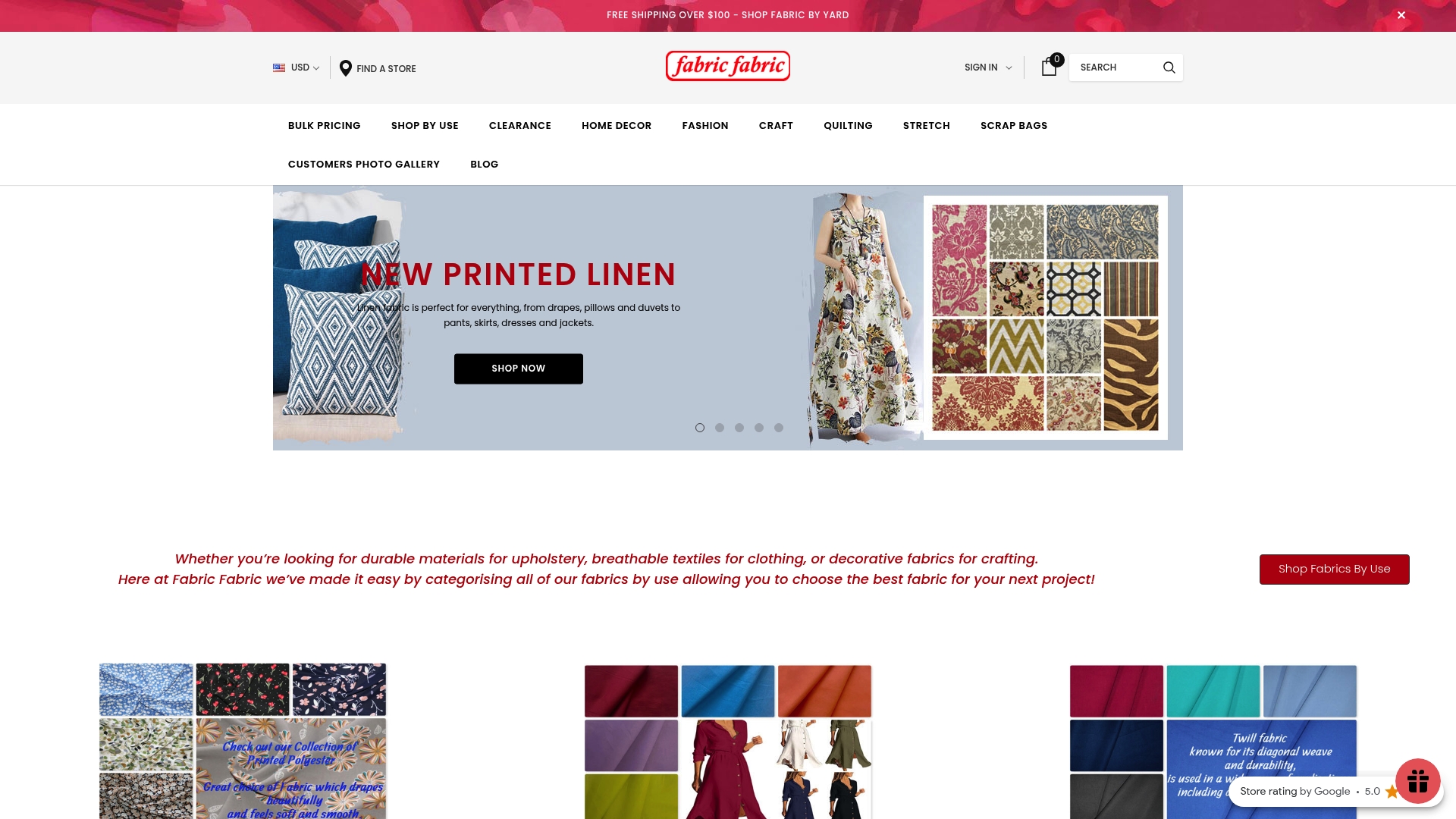
Ready to put your fabric confidence into action? Browse the extensive selection at fabric-fabric.com. Each listing features clear descriptions, practical usage suggestions, and honest pricing so you will never be left guessing. Whether you are sourcing specialty materials for a delicate evening dress or need durable textiles for upholstery, this user-friendly platform simplifies your search and helps you check every item off your list. Discover for yourself why designers and crafters start their successful fabric selection checklists with fabric-fabric.com. Shop now to take advantage of seasonal sales and free shipping thresholds before they end.
When selecting fabric, key factors include intended use, durability, maintenance, comfort, fabric weight, composition, color, pattern, texture, and stretch characteristics.
Fabric weight influences drape, structure, and overall performance. Lightweight fabrics are suitable for summer clothing, while heavyweight fabrics provide durability and warmth for structured garments.
Fabric composition affects durability, comfort, and performance. Understanding the fiber content and blend ratios helps ensure that the fabric meets specific project needs and quality standards.
Color and pattern choices can enhance the visual appeal of a project. They communicate mood, create visual interest, and should be coordinated thoughtfully to achieve a cohesive design.