

 US Dollar

Understanding Why Use Outdoor Fabrics for Your Projects
Posted by BLG on 2025 Sep 12th
Posted by BLG on 2025 Sep 12th

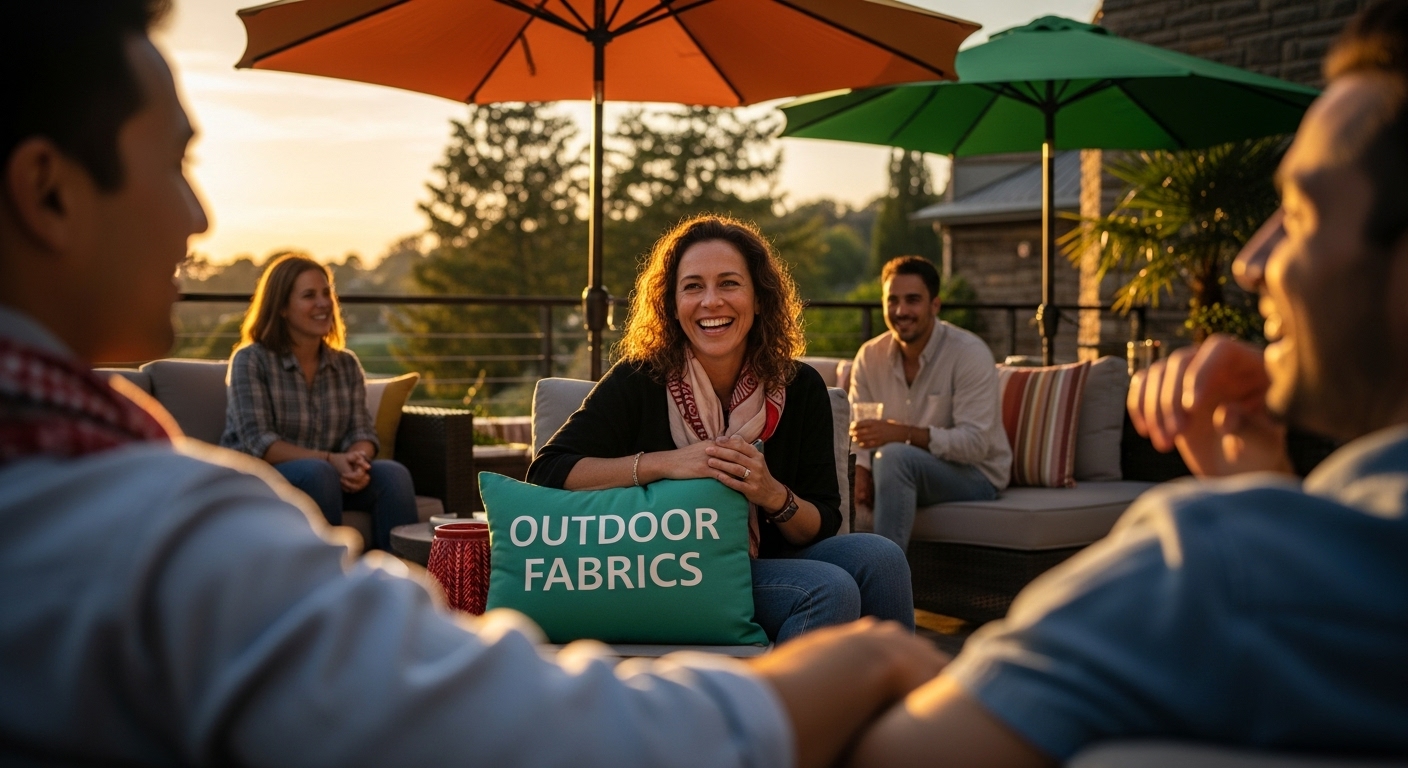
Outdoor fabrics are not just made to look good on your patio. They are built tough to face sunlight, rain, and daily wear that would destroy ordinary textiles in weeks. One standout fact is that these materials can keep their color and strength through extreme temperature swings and heavy moisture, all thanks to advanced weaving and special fiber coatings. Most people expect durability, but what actually surprises them is the design freedom—these fabrics now come in patterns and textures that mimic natural wood or stone, rewriting what you can imagine for outdoor spaces.
| Takeaway | Explanation |
|---|---|
| Outdoor fabrics excel in durability and weather resistance. | These fabrics are engineered to withstand harsh environmental conditions, ensuring longevity in various applications. |
| Material composition is essential for fabric performance. | Understanding fiber types and chemical properties helps select the right fabric for outdoor use and challenges. |
| Innovations expand design possibilities for outdoor fabrics. | Modern textures and colors make outdoor fabrics versatile for aesthetic applications without compromising performance. |
| Rigorous testing ensures quality in outdoor fabrics. | Professional engineers assess fabric resilience to maintain quality under extreme environmental conditions. |
| Choosing the right outdoor fabric reduces long-term costs. | Durable fabrics minimize replacements and maintenance, providing better economic value over time. |
Outdoor fabrics represent specialized textile materials engineered to withstand challenging environmental conditions while maintaining superior performance and durability. These innovative textiles go beyond traditional fabric capabilities, offering exceptional resistance to moisture, sunlight, temperature variations, and wear.
Outdoor fabrics are meticulously constructed using advanced synthetic fibers like polyester, acrylic, and solution-dyed materials that provide remarkable resilience. Unlike standard textiles, these fabrics incorporate specialized treatments and weaving techniques that enhance their protective properties. According to Materials Research International, outdoor fabrics typically feature:
The core engineering behind outdoor fabrics focuses on creating textiles that can endure extreme conditions without compromising aesthetic appeal or functional integrity. Manufacturers achieve this through precise fiber selection, advanced weaving technologies, and strategic surface treatments.
The standout characteristics of outdoor fabrics include exceptional weather resistance, quick-drying properties, and remarkable durability. These textiles are specifically designed to combat environmental challenges such as prolonged sun exposure, heavy rainfall, temperature fluctuations, and potential mold or mildew development.
Materials used in outdoor fabrics undergo rigorous testing to ensure they can maintain structural integrity and visual quality across diverse conditions. Professional textile engineers incorporate specialized coatings and molecular treatments that provide multiple layers of protection, making these fabrics ideal for applications ranging from marine equipment and patio furniture to athletic wear and camping gear.
By combining advanced material science with innovative manufacturing techniques, outdoor fabrics represent a significant technological advancement in textile engineering, offering unparalleled performance and longevity for consumers and professionals alike.
To help readers quickly compare the differences between outdoor fabrics and ordinary/regular fabrics, the following table organizes their key distinguishing features as discussed in the article.
| Feature | Outdoor Fabrics | Ordinary Fabrics |
|---|---|---|
| Fiber Composition | Advanced synthetics (polyester, acrylic, solution-dyed) | Natural or basic synthetic fibers |
| Weather Resistance | High (UV, moisture, temperature) | Low to moderate |
| Color Retention | Excellent, resistant to fading | Prone to fading |
| Durability | Designed for heavy wear and environmental exposure | Wears out quickly outdoors |
| Design Versatility | Wide range, includes textures that mimic wood/stone | Often limited, less innovative |
| Maintenance Needs | Low, resistant to mildew and easy to clean | Higher, more prone to damage and staining |
| Common Uses | Outdoor, marine, industrial, recreation | Indoor furnishings, clothing |
Durability and weather resistance are critical attributes that transform outdoor fabrics from standard textiles into high-performance materials capable of withstanding challenging environmental conditions. These characteristics determine the fabric’s longevity, functionality, and overall value across diverse applications.
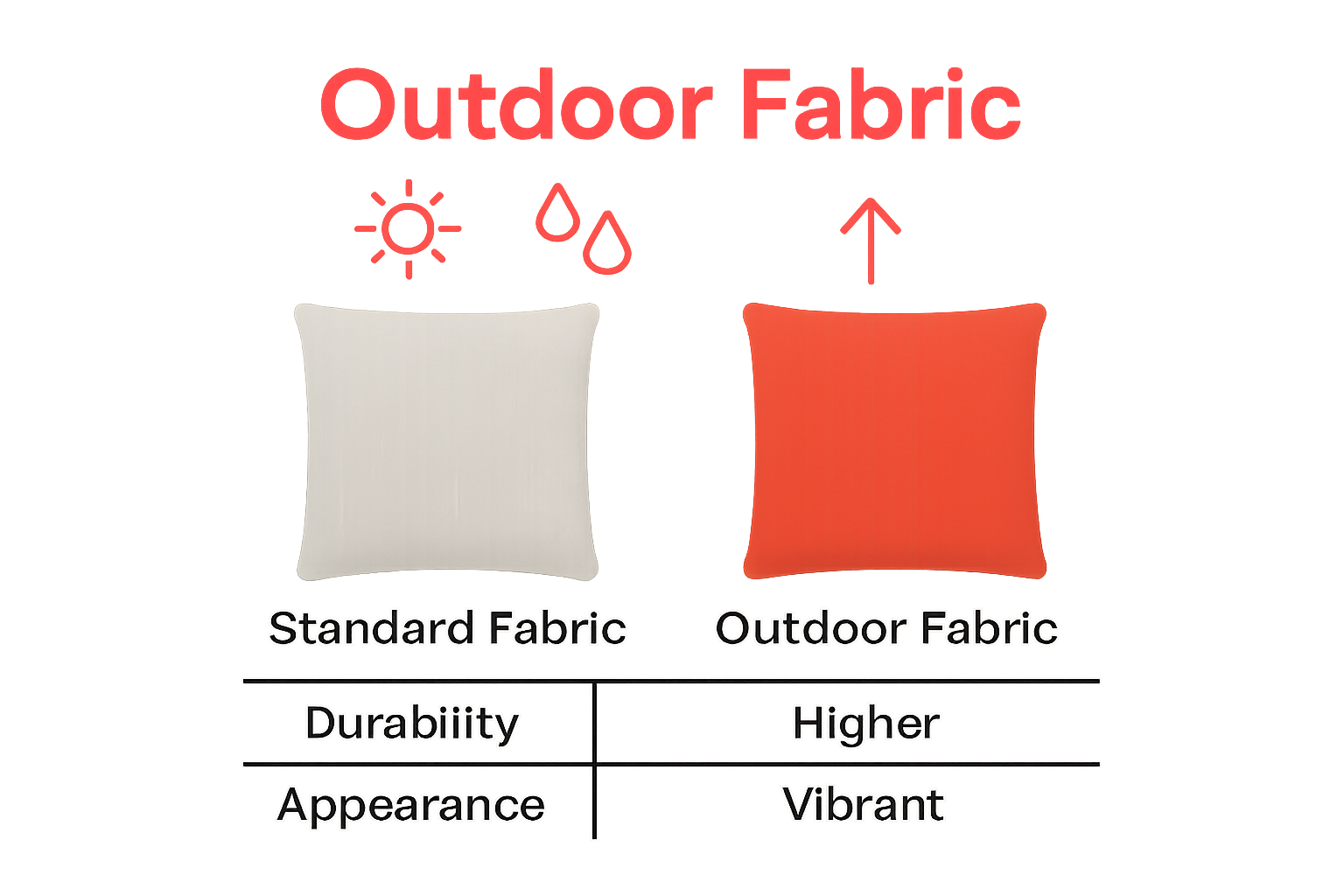
Weather resistance in outdoor fabrics emerges through sophisticated engineering processes that protect textile fibers from environmental degradation. According to Advanced Materials Research, the primary mechanisms of fabric resilience include:
These intricate design strategies enable outdoor fabrics to maintain structural integrity under extreme temperature fluctuations, intense sunlight exposure, and prolonged moisture contact.
Below is a table summarizing the primary protective mechanisms used in outdoor fabrics that enable their superior weather resistance, as outlined in the article.
| Resilience Mechanism | Description |
|---|---|
| Molecular Protective Coatings | Coatings applied at the fiber level to repel water and block UV rays |
| Specialized Fiber Weaving | Unique weaving techniques that enhance fabric strength and reduce damage |
| Chemical Treatments | Treatments to resist moisture, UV degradation, and staining |
| Engineered Surface Structures | Surface designs that minimize environmental wear and tear |
Professional textile engineers strategically develop these protective mechanisms to extend fabric performance beyond traditional textile limitations.
The economic significance of durable, weather-resistant fabrics extends far beyond initial material costs. Textiles that can endure harsh conditions reduce replacement frequency, minimize maintenance expenses, and provide consistently reliable performance. Whether used in marine equipment, outdoor furniture, athletic wear, or industrial protective clothing, these fabrics represent a smart investment for consumers and industries.
By prioritizing durability, manufacturers create textiles that maintain aesthetic quality and functional performance across multiple environmental challenges. This approach not only delivers economic value but also supports sustainable manufacturing practices by reducing material waste and extending product lifecycles.

Outdoor fabrics represent more than just functional materials they are powerful design elements that transform spaces by combining visual appeal with exceptional performance. These innovative textiles offer designers and consumers unprecedented opportunities to create visually stunning environments that seamlessly blend aesthetic sophistication with practical resilience.
Modern outdoor fabrics have revolutionized design possibilities through an extensive palette of colors, patterns, and textures that challenge traditional limitations. According to Design Horizons, contemporary textile technologies enable manufacturers to produce fabrics that:
These advancements allow designers to conceptualize outdoor spaces with unprecedented creative freedom. From intricate geometric patterns to subtle organic designs, outdoor fabrics provide a versatile canvas for expressing individual style and architectural vision.
The true beauty of modern outdoor fabrics lies in their ability to seamlessly integrate functional performance with visual elegance. Professional designers now view these materials as dynamic design elements that do more than cover surfaces they actively contribute to spatial experiences.
By selecting outdoor fabrics that complement architectural styles and environmental contexts, creators can develop cohesive design narratives that enhance both visual appeal and practical utility. Whether used in residential patios, commercial landscapes, or urban installations, these fabrics represent a sophisticated intersection of engineering and artistic expression.
Outdoor fabrics have transcended traditional boundaries, finding innovative applications across multiple industries that demand high-performance materials capable of withstanding extreme environmental challenges. These versatile textiles now play critical roles in sectors ranging from recreational equipment to advanced architectural design.
In industrial settings, outdoor fabrics provide essential protective and functional solutions. According to Advanced Material Solutions, these textiles are strategically employed in:
The remarkable adaptability of outdoor fabrics allows engineers and designers to create specialized solutions that meet stringent performance requirements. Their ability to resist environmental degradation makes them invaluable across complex operational environments where traditional materials would quickly fail.
Consumer markets have enthusiastically embraced outdoor fabrics for their exceptional performance characteristics. From camping gear and athletic wear to outdoor furniture and marine equipment, these textiles deliver unparalleled durability and functionality. Manufacturers leverage advanced textile technologies to develop products that can withstand intense UV exposure, moisture, temperature variations, and mechanical stress.
Recreational equipment manufacturers specifically value outdoor fabrics for their lightweight properties, quick-drying capabilities, and resistance to environmental wear. This enables the production of high-performance gear that enhances user experiences across hiking, camping, sailing, and other outdoor activities. By integrating cutting-edge material science, outdoor fabrics continue to revolutionize how consumers interact with challenging environmental conditions.
Selecting the right outdoor fabric requires careful evaluation of multiple factors that directly impact performance, durability, and aesthetic quality. Understanding these critical considerations enables consumers and professionals to make informed decisions that align with specific project requirements and environmental challenges.
The fundamental selection criteria for outdoor fabrics begin with understanding their core material composition and inherent performance attributes. According to Textile Performance Research, critical evaluation factors include:
Professional designers and engineers recognize that each fabric type presents unique advantages and limitations. Synthetic materials like polyester and acrylic often provide superior weather resistance compared to natural fibers, offering enhanced durability and consistent performance across challenging environmental conditions.
Beyond material composition, selecting outdoor fabrics demands comprehensive understanding of their intended usage environment. Factors such as geographic location, temperature ranges, potential moisture exposure, and anticipated mechanical stress play pivotal roles in determining fabric suitability.
Considerations extend beyond initial performance to long-term maintenance expectations. Fabrics that require minimal cleaning, resist mildew growth, and maintain structural integrity under repeated environmental stress represent optimal choices for outdoor applications. Professional designers must balance aesthetic preferences with practical performance metrics to select textiles that deliver consistent quality and visual appeal over extended periods.
To help you assess which features matter most for your project, this table summarizes the key performance and selection criteria for outdoor fabrics discussed throughout the article.
| Selection Factor | Importance for Outdoor Fabric Selection |
|---|---|
| Fiber Type/Molecular Structure | Determines weather resistance, strength, and longevity |
| Tensile Strength and Weight | Affects fabric durability and ease of use |
| Chemical Resistance | Essential for environments with exposure to chemicals or harsh weather |
| UV Protection & Color Retention | Ensures lasting appearance and limits fading |
| Moisture Management | Prevents mold, mildew, and extends fabric lifespan |
| Maintenance Requirements | Impacts ease of care and overall practicality |
| Environmental Suitability | Ensures the fabric matches real-world climate and usage challenges |
Are you tired of dealing with faded colors, worn-out materials, or fabrics that just don’t hold up in changing weather? This article made it clear that choosing the right outdoor fabric is not just about looks—it’s about durability, weather resistance, and long-lasting color. The pain points are real: outdoor spaces are exposed to harsh sunlight, wind, rain, and constant use. The good news is, you can solve these problems by investing in advanced performance textiles tailored to your needs. To get started, visit our collection of fabrics for upholstery and outdoor use where you can find innovative materials engineered for outdoor durability, rich color, and easy care.
Take the next step in protecting and enhancing your space. Explore https://fabric-fabric.com for detailed product listings, usage suggestions, and exclusive deals. With fresh styles arriving and savings available now, there’s never been a better moment to select premium outdoor fabrics for your next project. Shop smarter, elevate your designs, and enjoy superior results—search our range today and make your vision last.
Outdoor fabrics are specialized textiles designed to withstand harsh environmental conditions. Unlike regular fabrics, they are made from advanced synthetic fibers, often treated to resist moisture, UV radiation, and wear, ensuring durability and performance in outdoor settings.
To choose the right outdoor fabric, consider factors such as the fiber type, chemical resistance, tensile strength, UV protection, and moisture management properties. Evaluate your project’s specific needs based on its environment and intended use to select the most suitable fabric.
Outdoor fabrics enhance recreational equipment by providing exceptional durability, lightweight properties, and quick-drying capabilities. These features ensure the gear can withstand intense UV exposure, moisture, and mechanical stress while maintaining a high level of performance.
Yes, outdoor fabrics can effectively combine aesthetics with functionality. They are available in a wide range of colors, patterns, and textures, allowing designers to enhance visual appeal while ensuring durability and resilience against environmental challenges.