

 US Dollar

What is Textured Fabric: Understanding Its Appeal and Use
Posted by BLG on 2025 Oct 13th
Posted by BLG on 2025 Oct 13th

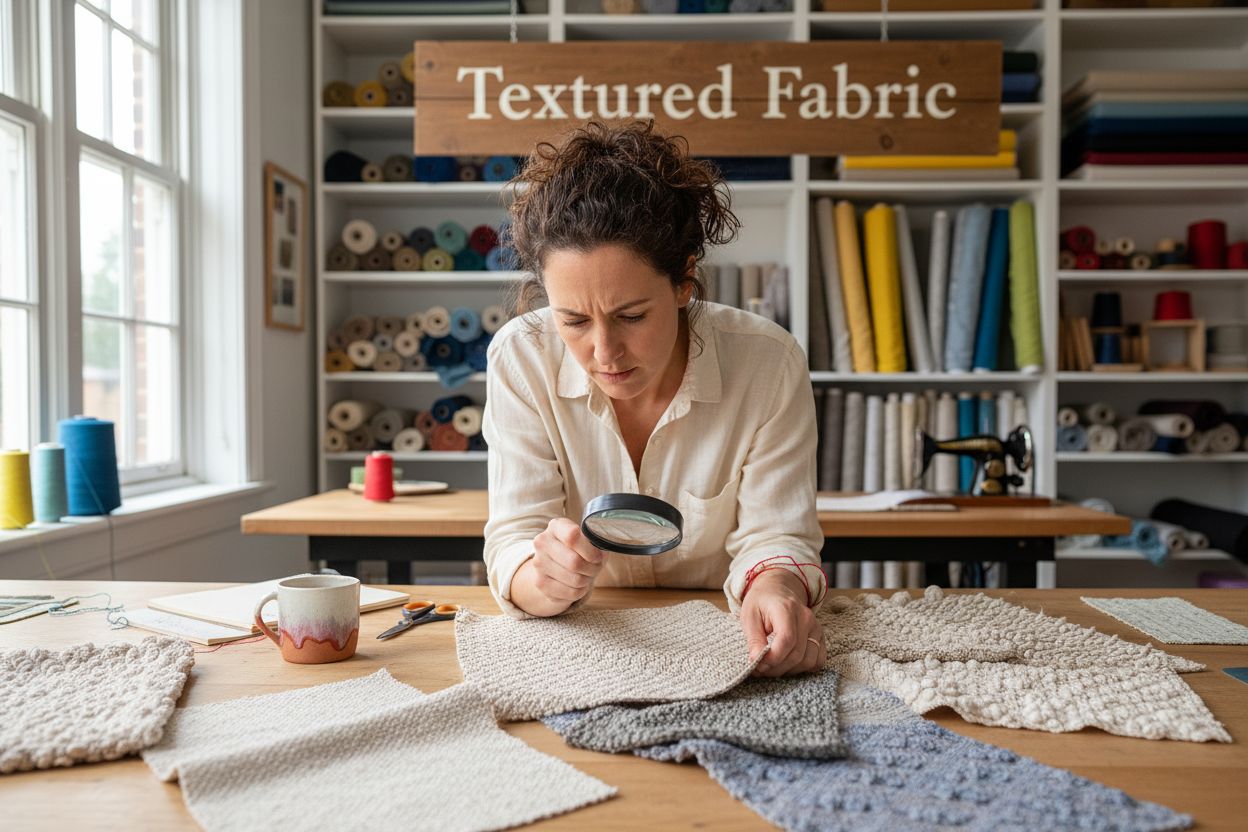
Textured fabric is not just about how something looks. It completely changes the way you feel and experience material, turning the ordinary into something remarkable. Think about this. Some textured fabrics, like velvet, have a surface density that’s over 10 times thicker than standard cotton, yet feel soft and luxurious to the touch. You might expect texture to be all about decoration, but it actually shapes function too, from how a chair absorbs sound to how a jacket keeps you warm.
| Takeaway | Explanation |
|---|---|
| Textured fabrics enhance sensory experiences. | The surface variations in textured fabrics create unique visual and tactile qualities, engaging multiple human senses. |
| Texture plays a role in functional design. | Beyond aesthetics, textured fabrics serve practical purposes like durability and moisture management in various industries. |
| Manufacturing techniques produce diverse textures. | Various methods, including weaving and chemical treatments, alter fabric surfaces, allowing for diverse aesthetic and functional outcomes. |
| Textured fabrics communicate emotions in fashion. | Designers leverage texture to express cultural narratives and evoke emotions, elevating the storytelling aspect of garments. |
| Emerging technologies reshape textile applications. | Advances like smart textiles and sustainable practices are expanding the possibilities for creating and utilizing textured fabrics innovatively. |
Textured fabric represents a fascinating category of textile design where surface characteristics transform the fundamental appearance and sensory experience of materials. Unlike smooth fabrics that present uniform surfaces, textured fabrics incorporate intentional variations in structure that create visual depth, tactile interest, and unique aesthetic qualities.
Textured fabrics emerge through multiple sophisticated manufacturing processes that deliberately alter fabric surface properties. Textile experts recognize several primary methods for creating texture:
These techniques transform ordinary fabrics into materials with remarkable visual and tactile complexity.
A plain cotton becomes dramatically different when its surface is embossed, brushed, or intentionally distressed.
Textured fabrics are not merely decorative innovations but serve critical functional purposes across multiple industries. In fashion design, textures communicate sophisticated design language. A wool blazer with a subtle herringbone weave suggests elegance, while a nubby tweed indicates rustic sophistication. In home furnishings, textured upholstery fabrics provide visual interest and practical benefits like enhanced durability and improved wear resistance.
The selection of texture depends on multiple considerations: intended use, desired aesthetic, performance requirements, and manufacturing constraints. Designers carefully evaluate how surface manipulation will impact fabric behavior, appearance, and sensory experience.
At its core, fabric texture represents a deliberate interaction between material science and creative design. Textile engineers understand that surface variations can fundamentally alter fabric properties such as insulation, moisture management, and structural integrity. By strategically introducing texture, manufacturers can enhance fabric performance while creating visually compelling materials that engage multiple human senses simultaneously.
Textured fabrics transcend mere aesthetic considerations, emerging as powerful design elements that communicate narrative, emotion, and functional sophistication across multiple creative disciplines. Textile design researchers recognize texture as a critical mechanism for transforming ordinary materials into extraordinary sensory experiences.
Texture operates as a nuanced language of design, communicating complex information through tactile and visual signals. In fashion, a rough tweed jacket suggests rugged authenticity, while a smooth silk blouse conveys refined elegance. These textural choices communicate social context, personal style, and emotional resonance without uttering a single word.
Key sensory communication characteristics include:
Beyond aesthetic expression, textured fabrics solve critical design challenges across industries. Architectural textiles with complex surface structures can enhance thermal insulation, manage moisture, and improve structural performance. In automotive design, textured materials provide strategic grip, comfort, and visual sophistication.
Designers strategically leverage texture to achieve multiple objectives:
Textured fabrics represent a profound intersection of art, technology, and material science. Innovative designers now collaborate with engineers and textile researchers to develop materials that dynamically respond to environmental conditions. Adaptive textiles with embedded textures can change properties based on temperature, moisture, or user interaction, transforming how we conceptualize design across fashion, architecture, and product development.
This evolution demonstrates texture not as a passive design element but as an active, intelligent component of contemporary creative practice.
The creation of textured fabrics involves intricate processes that blend technological precision with creative innovation. Textile manufacturing experts understand that transforming raw materials into sophisticated textured fabrics requires sophisticated techniques and deep material knowledge.
Textured fabric production encompasses multiple sophisticated approaches designed to modify fabric surface characteristics. Manufacturers employ various strategic methods to introduce texture:
These techniques allow designers to transform basic materials into complex, multidimensional textiles with unique performance attributes. A standard cotton thread becomes a remarkable textile through strategic manipulation.
Textured fabrics serve critical roles across numerous industries, extending far beyond traditional textile applications. In automotive manufacturing, textured materials provide enhanced grip and aesthetic sophistication. Architectural design utilizes textured fabrics for acoustic management, thermal regulation, and visual complexity.
Key application domains include:
Contemporary fabric texturing represents an exciting convergence of material science, engineering, and design innovation. Advanced technologies like 3D printing and nanotechnology are expanding possibilities for creating increasingly sophisticated textured materials. Researchers are developing smart textiles that can dynamically respond to environmental conditions, transforming texture from a passive characteristic into an active, adaptive feature.
This technological evolution demonstrates how textured fabrics are no longer just materials but intelligent, responsive design elements with profound potential across multiple disciplines.
Textured fabrics represent a diverse spectrum of materials, each with unique surface characteristics that distinguish them from standard flat textiles. Textile collection experts recognize the extraordinary range of textures that transform fabric from simple material to complex sensory experience.
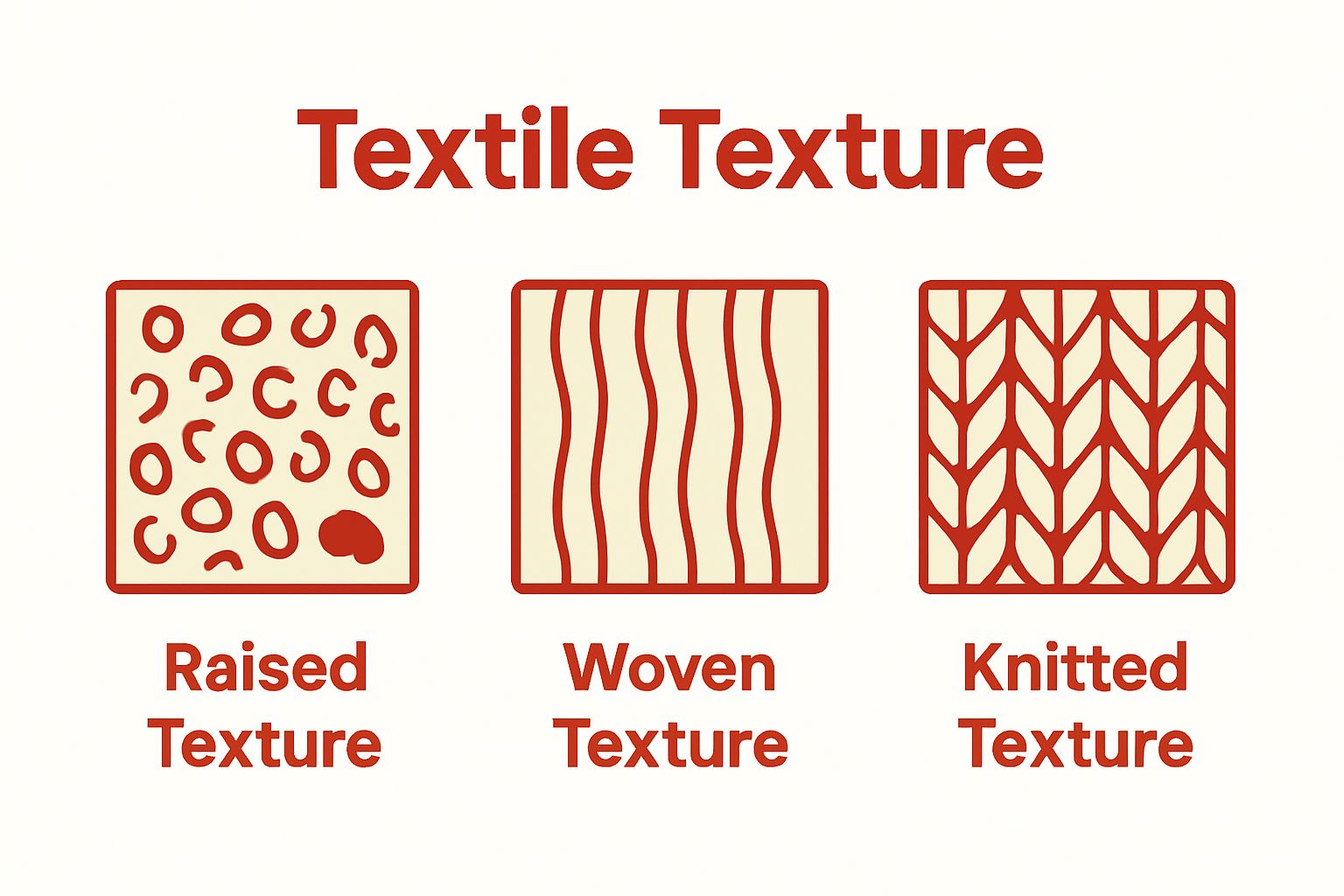
Textured fabrics can be categorized based on their surface manipulation techniques and resulting sensory qualities. These categories help designers and manufacturers understand the nuanced characteristics of different fabric types:
Each category offers distinct aesthetic and functional properties, enabling designers to select materials that precisely match project requirements.
The table below summarizes key categories of textured fabrics, outlining their defining characteristics and unique surface qualities to help readers distinguish between different types.
| Category | Defining Features | Example Surface Qualities |
|---|---|---|
| Raised Texture Fabrics | Elevated elements added to the surface | Bumpy, nubby, or plush |
| Woven Texture Fabrics | Complex weave structures for dimensional effect | Patterns, ridges, visible depth |
| Knitted Texture Fabrics | Intricate loops/stitches create surface texture | Stretchy, soft, pronounced patterns |
Within textile design, several specialized fabric types showcase remarkable textural innovation:
These fabrics demonstrate how texture can transform basic materials into sophisticated design elements with extraordinary visual and tactile complexity.
This table provides a comparison of specialized textured fabric types mentioned in the article, detailing their surface characteristics and common design applications for quick reference.
| Fabric Type | Surface Characteristics | Common Applications |
|---|---|---|
| Boucle | Looped yarns, bumpy, irregular texture | Outerwear, jackets, upholstery |
| Seersucker | Puckered surface, alternating stripes | Shirts, summer dresses |
| Velvet | Soft, dense raised pile, luxurious feel | Eveningwear, drapery, decor |
| Jacquard | Intricate patterns, raised/recessed areas | Upholstery, fashion, linens |
Textured fabrics are not merely decorative innovations but sophisticated materials engineered for specific performance requirements. In technical applications, texture can enhance thermal insulation, moisture management, and structural integrity. Fashion designers leverage texture to communicate emotional and stylistic narratives, using surface complexity to create garments that engage multiple sensory dimensions.
The selection of a specific textured fabric depends on intricate considerations of intended use, aesthetic goals, and functional performance requirements. From high performance athletic wear to haute couture fashion, textured fabrics represent a dynamic intersection of material science, design innovation, and creative expression.
Textured fabrics transform design landscapes by offering multifunctional solutions that bridge aesthetic appeal and practical functionality. Interior design researchers recognize texture as a powerful design element that communicates sophistication and emotional resonance across fashion and interior environments.
In contemporary fashion, textured fabrics serve as dynamic storytelling mediums that communicate design narratives beyond visual aesthetics. Designers strategically utilize texture to create garments that engage multiple sensory experiences:
From haute couture runways to everyday wear, textured fabrics enable designers to create clothing that transcends traditional material limitations.
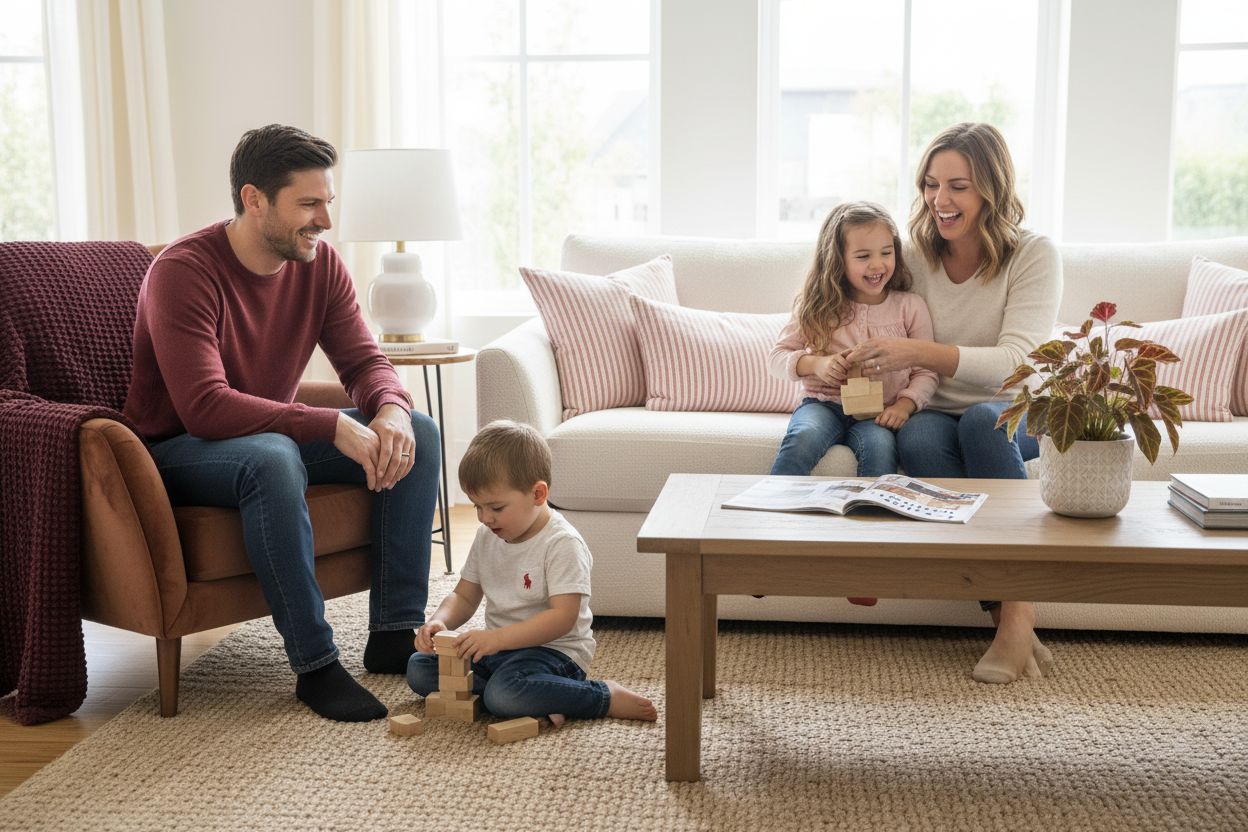
Interior designers leverage textured fabrics as crucial elements for creating sophisticated, dynamic living environments. Textural variations in upholstery, curtains, and decorative elements can dramatically alter spatial perception and emotional atmosphere:
The strategic application of textured fabrics allows designers to craft spaces that feel simultaneously comfortable and visually compelling.
Emerging technologies are expanding the potential of textured fabrics beyond traditional design constraints. Innovative manufacturers now develop smart textiles with adaptive properties, integrating functionality directly into fabric structure. Sustainable design practices increasingly focus on creating textured fabrics from recycled materials, demonstrating how texture can be a vehicle for environmental responsibility.
These developments highlight texture not just as a design element but as a sophisticated intersection of creativity, technology, and ecological consciousness.
Are you inspired by the article’s insight into textured fabrics and their ability to add depth, emotion, and uniqueness to clothing, interiors, or handmade crafts? If you have ever struggled to find the perfect fabric that truly matches your vision for style and sensory appeal, you know how important the right texture can be. Ordinary materials often fall flat when your project calls for movement, structure, or elevated tactile design. At fabric-fabric.com, we combine broad selection with easy-to-navigate details so you can skip the uncertainty and bring your creative goals to life with confidence.
Ready to explore textured icons like seersucker, velvet, or lace for your next work? Visit fabric-fabric.com and discover detailed descriptions, trusted quality, and seasonal promotions, all made for designers, crafters, and enthusiasts who want more than just the basics. Shop now and secure the fabrics you need to turn ideas from this article into reality before they sell out.
Textured fabrics are distinguished by intentional surface variations that create visual depth and tactile interest. These characteristics can include raised or recessed elements, varied yarn types, and unique finishing treatments. To identify textured fabrics, observe their surface complexity compared to smooth fabrics.
Textured fabrics are created through various techniques, including mechanical manipulation, chemical treatments, and yarn engineering. To create your own, experiment with different weaving patterns or apply specific finishes to alter the fabric’s surface.
Textured fabrics serve critical functional purposes, such as improving durability and wear resistance while enhancing insulation and moisture management. Incorporate textured fabrics into your designs to not only elevate aesthetics but also improve overall performance.
Designers select textured fabrics based on several considerations, including intended use, desired aesthetic, and performance requirements. To select the right fabric, evaluate how the texture will impact the material’s behavior, appearance, and sensory experience in your project.
Common types of textured fabrics in fashion include boucle, seersucker, velvet, and jacquard. Choose a type based on the emotional and aesthetic message you want to convey, enhancing your design’s narrative through texture.
In interior design, textured fabrics contribute to acoustic management, thermal regulation, and visual depth. Utilize textured upholstery or curtains to create a more engaging and sophisticated atmosphere in your space.