

 Canadian Dollars

What Poplin Fabric Is Best Used For, From Shirts to Curtains
Posted by BLG on 2026 Aug 23rd
Posted by BLG on 2026 Aug 23rd

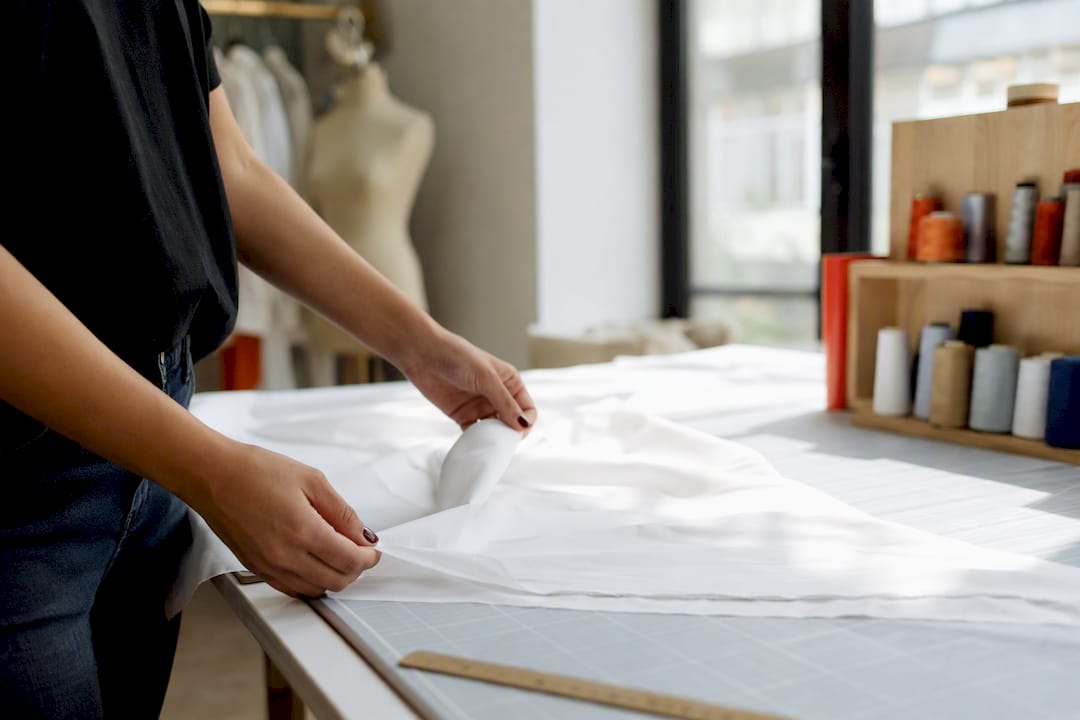
Poplin is a plain-weave, light-to-medium-weight fabric best known for shirts, dresses, and light home textiles. The weave produces fine, closely spaced crosswise ribs that give it a smooth face and just enough body to hold a collar without going stiff. That combination is why it shows up across so many project types.
In rough order of how often it’s used, poplin goes into:
If you want a crisp, smooth surface with moderate structure and it’s not for something that needs stretch or heavy abrasion resistance, poplin is usually the right call.
Poplin’s tight plain weave makes it the strongest choice for shirts, dresses, and printed home textiles, but a poor fit for stretch garments or heavy-use upholstery.
| Point | Details |
|---|---|
| Top uses come first | Shirts, dresses, light suiting, pajamas, curtains, and pillow covers dominate poplin’s real-world use. |
| Weave drives performance | The plain weave with fine crosswise ribs gives poplin its crisp hand and smooth, print-friendly surface. |
| Fiber changes everything | Cotton suits warm-weather wear, silk suits dressier pieces, and polyester blends suit uniforms and durability. |
| Prewash before cutting | Cotton poplin can shrink 3 to 6 percent on its first warm wash, so prewash to avoid a tight final fit. |
| Know poplin’s limits | Skip poplin for stretch-dependent garments or heavy-use seating; check weight and fiber on Fabric-fabric’s listings before buying. |
Poplin is a weave, not a fiber, and that distinction explains most of its behavior. The plain-weave construction alternates warp and weft threads in a simple over-under pattern, but poplin uses a finer, more densely packed warp against a slightly heavier weft. That mismatch is what creates the fine, closely spaced ribs across the fabric’s width.
Most cotton poplin runs light to medium weight, typically stable and breathable with a smooth, faintly lustrous surface. It falls into what textile historians call a “middle ground” of weight and drape: not as fluid as lawn, not as stiff as canvas. That middle position is exactly why designers reach for it when they need some structure without sacrificing comfort against the skin.
A few properties drive most of its uses:
Pro Tip: Hold a swatch up to a window. If you can see distinct horizontal ribs when backlit, you’re looking at true poplin rather than a broadcloth pretending to be one.
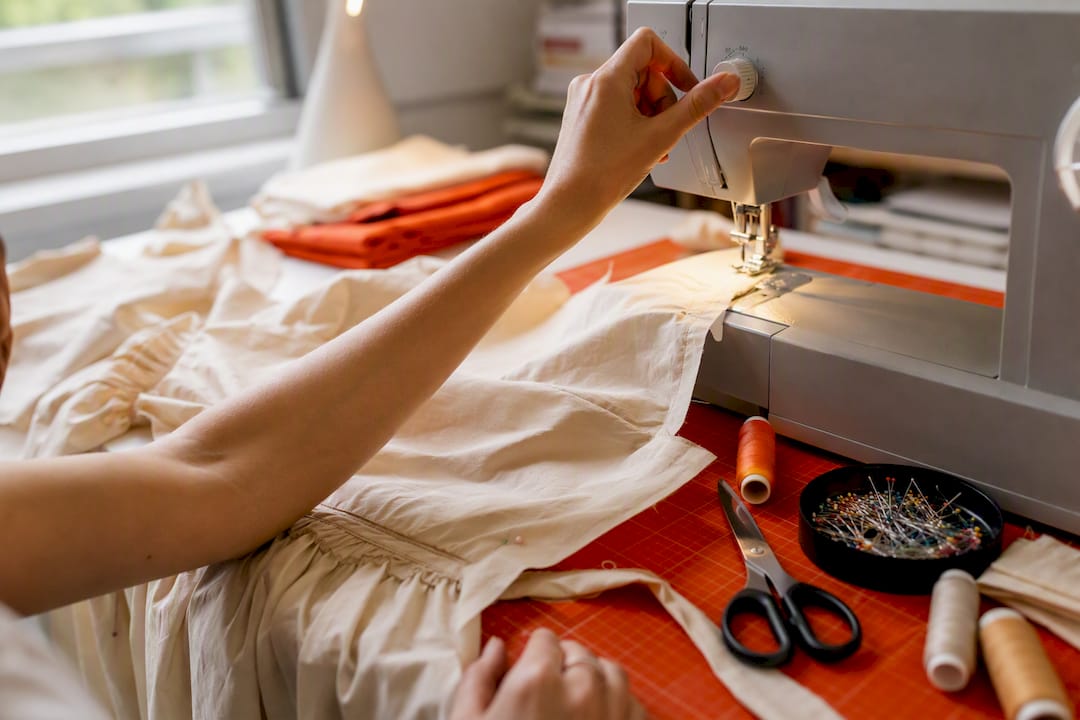
Shirting is where poplin earns its reputation. The crisp hand keeps a collar standing without interfacing overkill, and the smooth face makes it print and press cleanly, which is why so many dress shirts and blouses are cut from cotton poplin. Dresses and skirts behave differently depending on weight: a lighter poplin drapes into soft gathers, while a heavier weight holds an A-line shape with minimal interfacing.
For garment planning, group projects by how much structure they need:
Sewing notes worth knowing before you cut: poplin frays a moderate amount at raw edges, so finish seams with a serger or French seam on anything unlined. Standard 5/8 inch seam allowances work fine, but drop to 1/4 inch on curved seams like armholes to reduce bulk. Lining is rarely necessary except on darker colors worn against skin, where a thin layer prevents a slight see-through effect. If you’re planning a loungewear set, pairing poplin with modern comfort-driven design trends can help you decide how relaxed or tailored to make the fit.
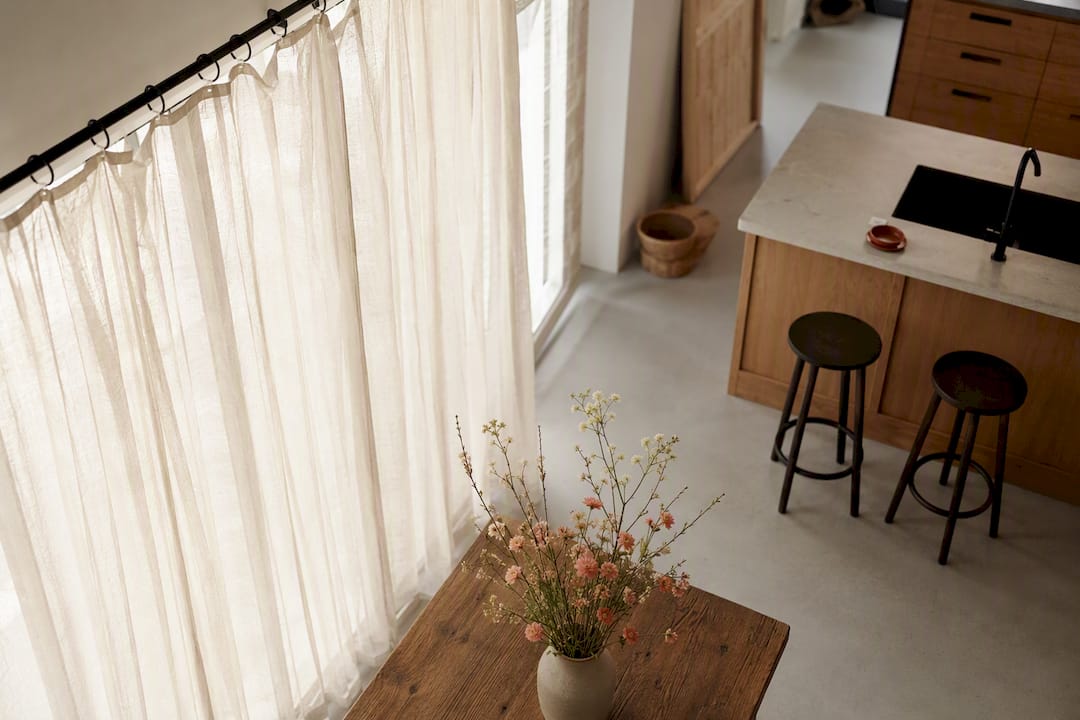
Yes, and the same tight weave that makes poplin good for shirts makes it good for printed home textiles. The smooth, dense surface takes prints and saturated colors more cleanly than looser weaves, which is why you’ll find so much custom-pattern poplin used for curtains, pillow covers, and table linens.
Where poplin gets more situational is upholstery. It works fine for:
Suppliers generally caution against poplin for high-traffic seating, since it lacks the abrasion resistance of heavier upholstery weaves. A poplin-covered dining chair that gets used daily will show wear faster than one covered in canvas or a heavier jacquard. For craft work specifically, poplin’s crisp hand makes it easy to cut clean lines and press sharp folds, which is a real advantage if you’re piecing quilt blocks or making structured bags.
Poplin is a weave structure, and the fiber woven into it changes almost everything about how it performs. That’s the part shoppers miss most often when they search for “cotton poplin” without realizing poplin also comes in silk, polyester, and blended versions.
If you’re shopping and only see “poplin” listed without a fiber content, ask before you buy. A detailed look at cotton poplin’s characteristics is worth reading if you’re deciding between cotton and a blend for a specific project.
Cotton poplin shrinks somewhat on its first warm wash, commonly in the 3 to 6 percent range depending on the finish, so prewashing before you cut is close to mandatory. Skip this step and a shirt that fit perfectly off the pattern can come out noticeably tighter after laundering.
Pro Tip: Test your iron’s steam setting on a scrap first. Too much moisture on silk poplin can leave water spots that don’t fully disappear once dry.
Poplin isn’t the right pick for everything, and knowing where it falls short saves you a redo. Skip it for heavy-duty upholstery, high-abrasion seating like sofas or dining chairs in daily use, and anything that depends on stretch, like activewear or fitted swimwear.
Match the fabric to the job it has to do, not just the look you want, and the rest of the project gets easier.
Reading a product listing correctly matters more than most shoppers realize. Check the weight (usually listed in grams per square meter or ounces per yard), the fiber content, and any finish notes like “sanforized” (preshrunk) before you add poplin to your cart.
If you’re trying poplin for the first time, start with something forgiving: a simple button-down shirt or a single pillow cover. Order a swatch, check the care label before you cut, and let the fabric prove itself on a small project first.
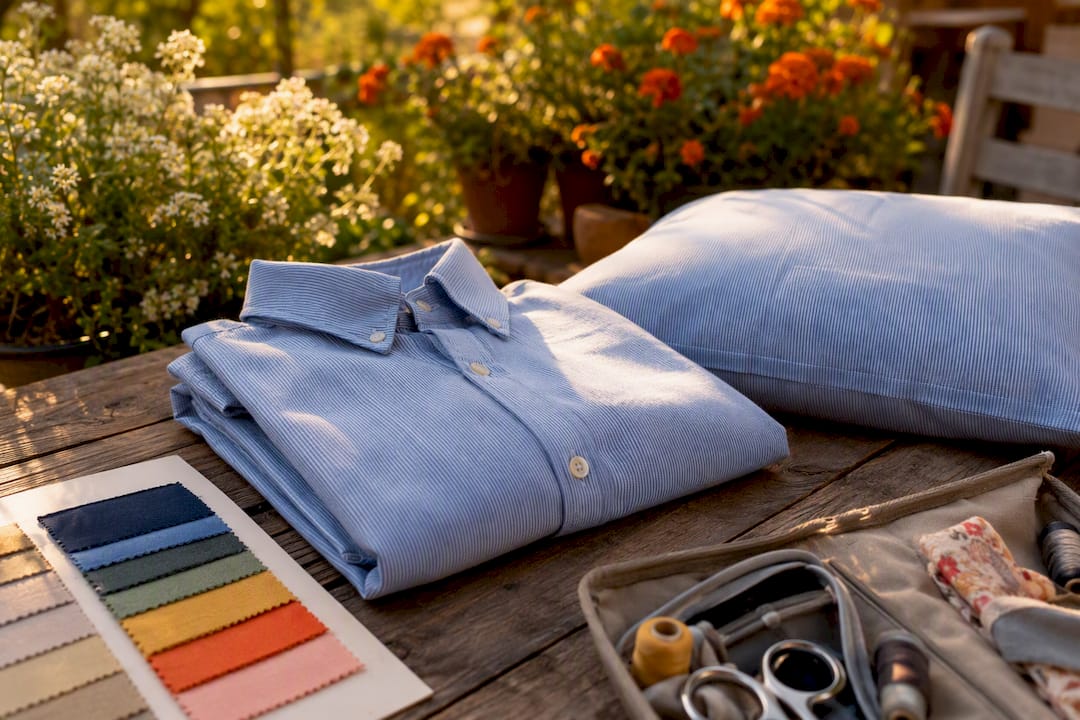
Poplin’s versatility only pays off when you buy the right weight and fiber for your project, and Fabric-fabric’s listings spell out both up front instead of leaving you to guess from a photo.
Browsing by intended use cuts the guesswork way down. If your project leans toward curtains, pillow covers, or other decorative textiles, the home decor fabric category groups poplin alongside other weight-appropriate options so you’re not comparing apples to canvas. Planning something closer to a backdrop or heavier structured project instead? The backdrop fabrics page covers sturdier alternatives worth a look before you commit to poplin’s lighter hand.
Before you order a full cut, check the weight, fiber content, and finish notes on the listing, and request a swatch if you’re deciding between two similar-looking options. Order your swatch now and confirm the fabric feels right in hand before it goes into your next shirt, dress, or curtain panel.
What is poplin fabric used for most often? Poplin’s biggest use by far is shirting, both men’s dress shirts and women’s blouses, followed closely by dresses, pajamas, and lightweight curtains or pillow covers.
What is cotton poplin fabric like to sew with? It presses crisply, feeds smoothly through a machine, and holds a seam well, though it frays moderately at raw edges, so finishing seams matters more than it does with denser weaves.
What is poplin cotton best suited for compared to silk poplin? Cotton poplin breathes better and suits warm-weather garments, while silk poplin drapes more softly and carries a subtle sheen better suited to dressier pieces.
Is cotton poplin fabric good for curtains? Yes. Its tight weave holds printed patterns and saturated color well, making it a solid pick for lightweight curtain panels and pillow covers, though it’s not built for heavy-use upholstery.
Does poplin fabric shrink after washing? Cotton poplin commonly shrinks in the 3 to 6 percent range on its first warm wash, so prewashing before cutting a pattern piece is worth the extra step.