

 Canadian Dollars

Understanding Why Use Quilted Fabric for Your Projects
Posted by BLG on 2025 Sep 22nd
Posted by BLG on 2025 Sep 22nd

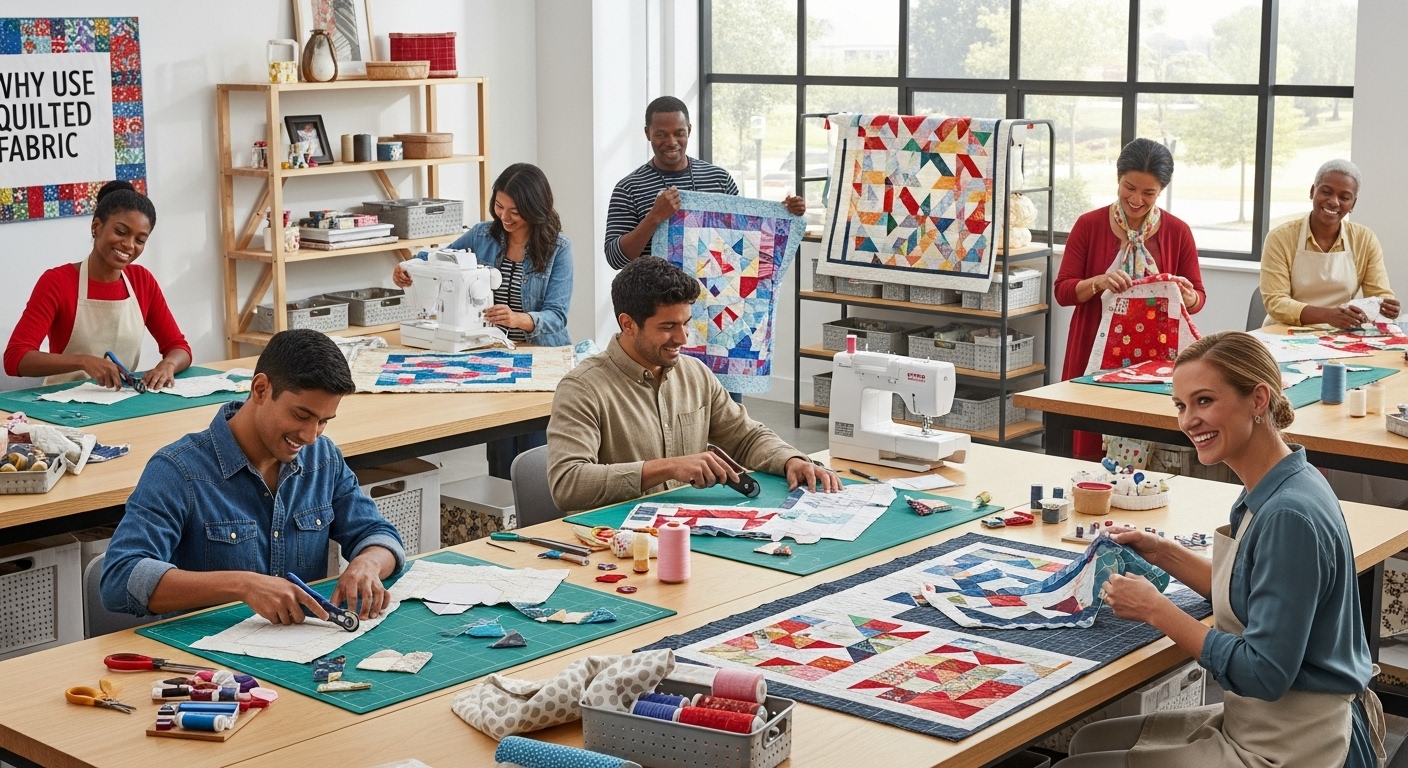
Quilted fabric changes everything you might assume about ordinary textiles. While most materials stick to a single layer, quilted fabric stacks up to three layers and connects them with precise stitching patterns. That means it can deliver up to 30 percent better insulation than standard fabrics. Surprisingly, this isn’t just about warmth. The real magic is how these layers create dimension and structure, turning each piece into a canvas for both design and performance.
| Takeaway | Explanation |
|---|---|
| Quilted fabric has three main layers | It consists of a top layer, insulation batting, and a backing layer providing unique textures and insulation properties. |
| Stitching patterns affect fabric performance | Close stitches enhance structure while spaced stitches increase flexibility, impacting the final fabric characteristics. |
| Versatile applications in design and fashion | Quilted fabric is used in home decor, apparel, and technical applications, allowing innovative designs and heightened functionality. |
| Exceptional durability and insulation | Its multilayered construction offers increased strength and excellent thermal regulation, making it suitable for varied crafting projects. |
| Supports creative expression in crafting | Crafters can utilize its textural depth and layering for intricate designs, expanding artistic possibilities in textile projects. |
Quilted fabric represents a specialized textile construction that combines multiple layers of material into a single, versatile product. Unlike standard fabrics, quilted fabric involves strategically stitching together two or more layers to create a unique texture, enhanced insulation, and decorative appeal.
At its core, quilted fabric consists of three primary components: a top layer, batting (the middle insulating layer), and a backing fabric. Textile Research Institute confirms that this multilayered structure provides quilted fabrics with exceptional characteristics that set them apart from traditional single-layer textiles.
The construction process involves carefully joining these layers through specialized stitching techniques, which can range from simple geometric patterns to intricate decorative designs.
Here is a table that outlines the main structural components of quilted fabric and their specific roles, helping clarify how each contributes to the fabric’s unique properties:
| Component | Description | Purpose |
|---|---|---|
| Top Layer | The visible surface fabric, which can vary in color and material | Provides aesthetic appeal and design base |
| Batting | Middle insulating layer, made from cotton, polyester, or blends | Delivers warmth and thermal regulation |
| Backing Layer | The bottom fabric layer that supports the structure | Adds durability and stabilizes the fabric |
| Stitching Pattern | The method used to bind all layers together | Determines structure, texture, and flexibility |
| Quilters and textile manufacturers use various methods to create these fabrics, including: |
Manufacturers produce quilted fabrics through different techniques depending on their intended use. Some focus on creating lightweight, decorative quilts for home decor, while others develop heavy-duty quilted materials for outdoor gear, clothing, and industrial applications.
The stitching pattern plays a crucial role in determining the fabric’s final characteristics. Tight, close stitches create a more rigid and structured fabric, whereas wider, more spaced stitching allows for greater flexibility and movement. This versatility makes quilted fabric an excellent choice for projects requiring both aesthetic appeal and functional performance.
To make it easier to compare how stitching patterns impact the characteristics of quilted fabric, this table summarizes the relationship between stitch type and fabric outcome:
| Stitching Pattern | Fabric Structure | Flexibility | Typical Use Cases |
|---|---|---|---|
| Tight, Close Stitches | More rigid and structured | Less flexible | Outerwear, bags, upholstery |
| Wide, Spaced Stitches | Looser, softer construction | More flexible | Blankets, lightweight garments, accessories |
Modern quilted fabric production often incorporates advanced materials like synthetic insulation, waterproof membranes, and high-performance fibers, expanding the potential applications far beyond traditional textile boundaries. Whether used in fashion, home decor, or technical applications, quilted fabric continues to evolve as a dynamic and innovative textile solution.
Quilted fabric offers crafters a versatile and dynamic material that transcends traditional textile applications. By understanding its unique properties, creators can unlock extraordinary potential in various artistic and functional projects.
Quilted fabric provides remarkable structural integrity that makes it ideal for crafting. Crafting Research Center confirms that the multilayered construction significantly increases material strength and resilience. The strategic stitching between layers creates a robust textile that withstands repeated use and maintains its shape under different stress conditions.
Key advantages of quilted fabric in crafting include:
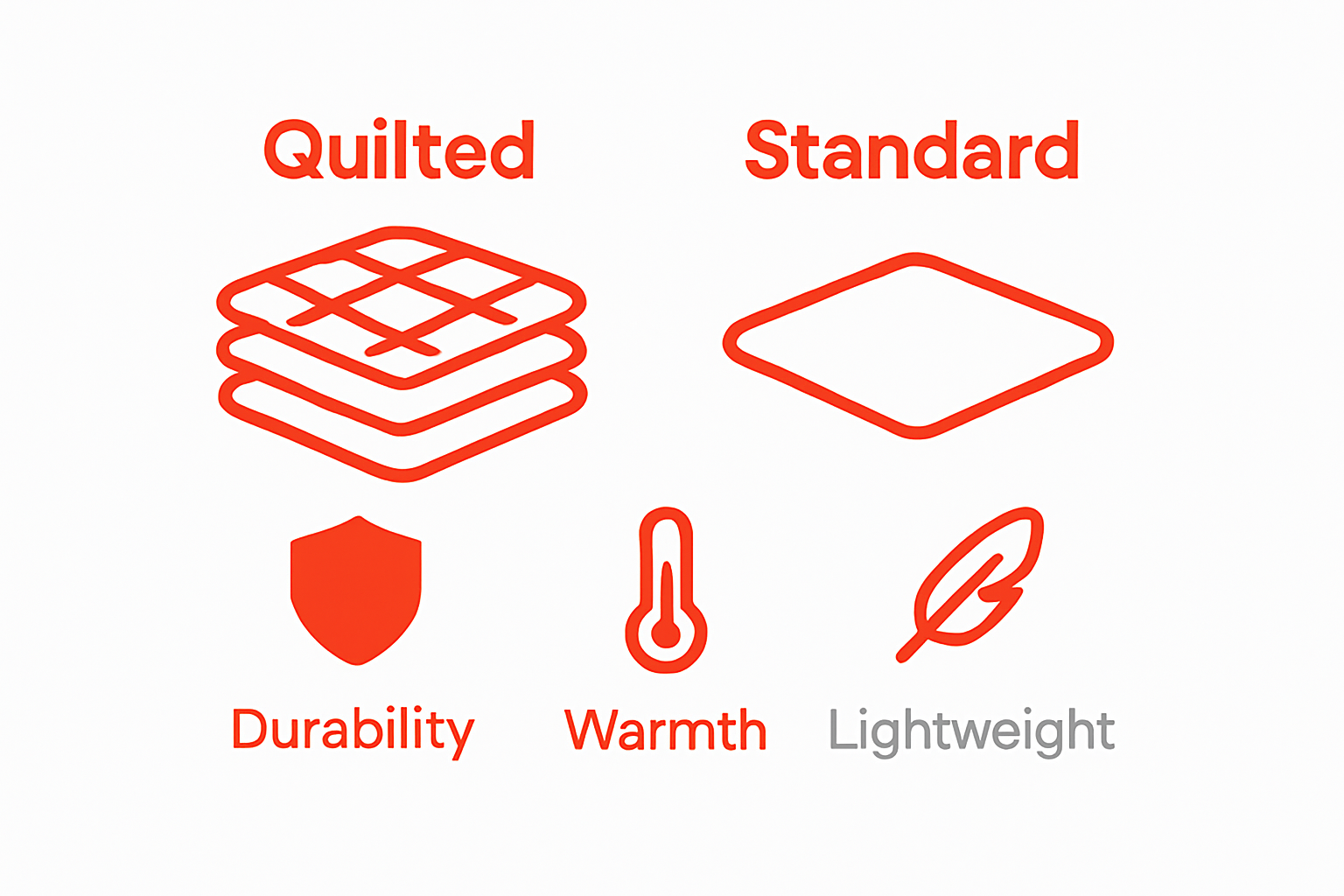
Crafters appreciate quilted fabric for its exceptional adaptability across multiple project types. From intricate home decor items to wearable art pieces, this material allows unprecedented creative expression. The inherent textural depth enables artisans to develop projects with rich visual and tactile experiences.
The layered construction permits complex design techniques like three-dimensional embellishments, intricate pattern work, and innovative structural elements. Quilted fabric becomes more than just a material it transforms into a canvas for artistic exploration, enabling crafters to push traditional boundaries of textile manipulation.
Modern crafting trends increasingly recognize quilted fabric as a sophisticated medium that combines functional performance with aesthetic sophistication. Whether creating decorative wall hangings, unique clothing items, or specialized accessories, crafters can leverage the material’s inherent qualities to produce exceptional, professional-grade works that stand out in both form and function.
Quilted fabric transcends traditional material expectations, offering remarkable versatility across multiple domains. Its unique multilayered construction enables exceptional performance in diverse practical applications, transforming ordinary projects into extraordinary creations.
Interior Design Institute confirms that quilted fabric has revolutionized home decoration strategies. Designers leverage its textural complexity to create sophisticated accent pieces like throw pillows, wall hangings, and decorative bedding that simultaneously provide visual interest and functional comfort. The material’s ability to absorb sound and provide thermal regulation makes it particularly valuable in modern interior design.
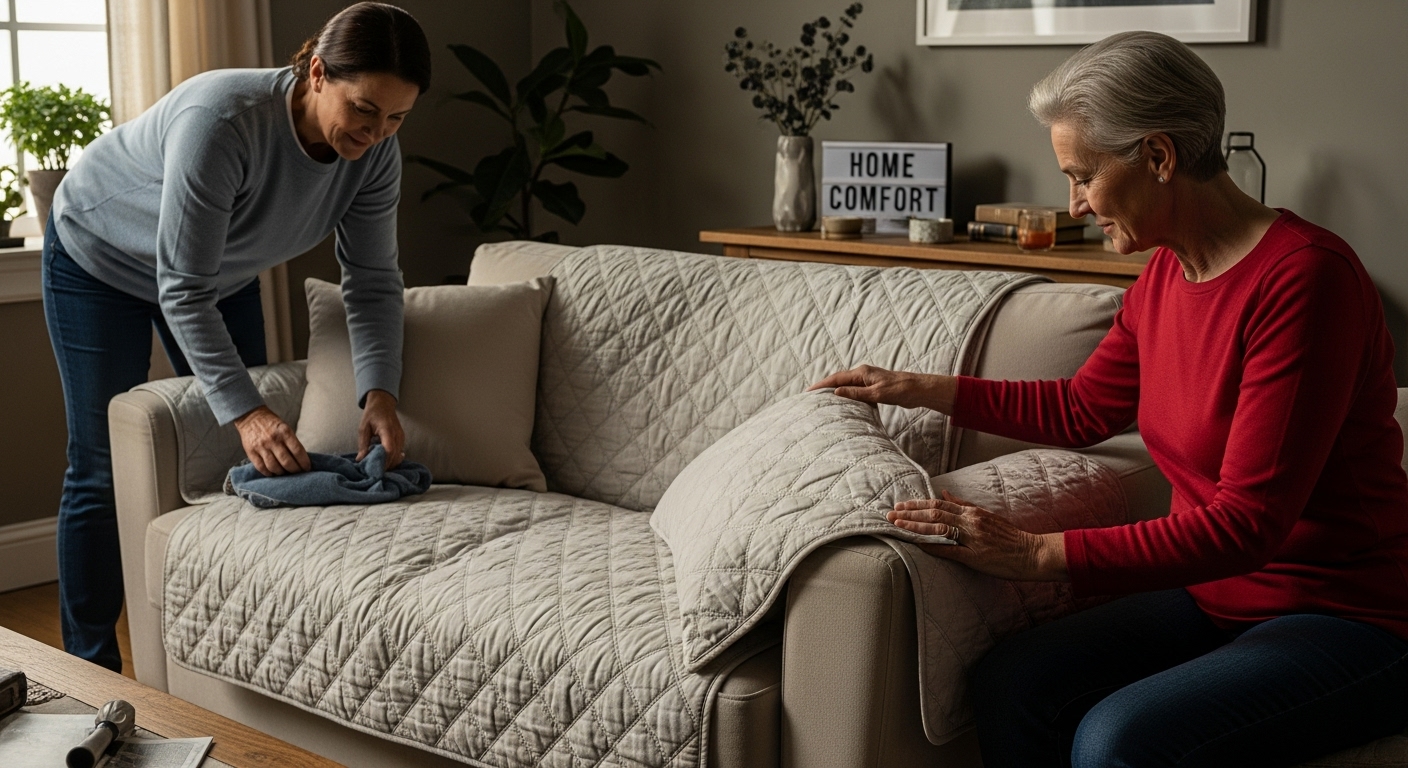
Key interior design applications include:
Fashion designers increasingly recognize quilted fabric as a transformative material that bridges aesthetic appeal with practical performance. The fabric’s capacity to provide warmth without excessive weight makes it ideal for creating innovative clothing pieces ranging from lightweight jackets to intricate evening wear.
The strategic stitching and layering allow designers to experiment with three-dimensional textures, creating garments that move dynamically with the wearer while maintaining structural integrity. Quilted fabric enables designers to push creative boundaries, producing clothing that is simultaneously functional, comfortable, and visually striking.
From outdoor adventure wear to high-end fashion runways, quilted fabric continues to demonstrate its extraordinary potential.
This table compares practical applications of quilted fabric in home decor and apparel, highlighting both functional and aesthetic benefits for each area:
| Application Area | Common Products | Functional Benefits | Aesthetic Benefits |
|---|---|---|---|
| Home Decor | Pillows, wall hangings, bedding | Sound absorption, warmth | Textural depth, visual interest |
| Interior Design | Upholstery, window treatments, dividers | Comfort, insulation | Dimensional accents |
| Apparel & Fashion | Jackets, evening wear, activewear | Lightweight warmth, structure | Modern texture, dynamic style |
| Its adaptability ensures that creators across various disciplines can transform ordinary materials into exceptional, purpose-driven designs that challenge conventional textile expectations. |
Quilted fabric represents a sophisticated textile engineering marvel that combines multiple material properties into a single, high-performance substrate. Its unique construction enables extraordinary characteristics that set it apart from traditional single-layer textiles.
Materials Science Institute confirms that quilted fabric’s multilayered structure creates exceptional thermal management capabilities. The strategic arrangement of layers traps air pockets, providing superior insulation that regulates body temperature and protects against environmental temperature variations.
Key thermal performance characteristics include:
The fundamental strength of quilted fabric emerges from its deliberate architectural design. Each layer contributes specific functional properties, creating a composite material with enhanced durability, flexibility, and resilience. The stitching technique plays a critical role in determining the fabric’s overall performance, with different patterns producing varied structural outcomes.
The interplay between layers allows for remarkable material adaptability. Manufacturers can adjust batting thickness, select complementary fabric types, and modify stitching patterns to engineer textiles with precise specifications for specific applications. This engineering approach transforms quilted fabric from a simple material into a sophisticated, purpose-designed solution that meets complex performance requirements across multiple industries and creative domains.
Quilted fabric represents a sophisticated design medium that seamlessly integrates visual appeal with practical performance. Its unique ability to transform ordinary materials into extraordinary design elements makes it a powerful tool for creative professionals across multiple disciplines.
Design Innovation Center confirms that quilted fabric offers designers an unparalleled opportunity to explore three-dimensional textural landscapes. The strategic layering and intricate stitching create visual narratives that engage viewers through complex surface interactions, transforming fabric from a passive material into an active design element.
Key aesthetic characteristics include:
Beyond aesthetic considerations, quilted fabric provides designers with a versatile substrate that adapts to diverse functional requirements. The multilayered construction allows for innovative approaches to material engineering, enabling the creation of textiles that respond dynamically to environmental conditions and user interactions.
Designers can manipulate quilted fabric’s inherent properties to achieve specific performance outcomes, such as enhanced thermal regulation, sound absorption, or structural resilience. This adaptive capability transforms quilted fabric from a mere decorative material into a sophisticated design solution that bridges form and function, challenging traditional boundaries between aesthetic expression and practical utility.
If your creative journey has ever been stalled by fabric that lacks structure, warmth, or that premium, dimensional look described in “Understanding Why Use Quilted Fabric for Your Projects,” we understand how frustrating that can feel. This article highlights the need for resilient, beautifully textured materials that transform both everyday crafts and sophisticated décor into lasting, professional results. Many crafters and designers struggle to source quilted fabrics that combine insulation, durability, and style—all in one place.

Discover the difference at https://fabric-fabric.com—your destination for carefully curated textiles. Our easy-to-navigate site empowers you to shop a broad range of quality fabrics with detailed descriptions geared for apparel, quilting, home décor, and crafts. Explore our latest fabric selections, enjoy well-timed discounts, and take advantage of seamless checkout so you never have to compromise on your vision. Start your next bold quilting project today with materials that truly elevate your craft, and experience the satisfaction of finding exactly what you need all in one place.
Quilted fabric offers enhanced durability, superior insulation properties, and creative versatility, making it ideal for various crafting projects.
Quilted fabric consists of a top layer, batting for insulation, and a backing fabric. These layers are stitched together using various techniques for structural integrity and aesthetic appeal.
Yes, quilted fabric is increasingly used in fashion due to its ability to provide warmth without excessive weight, making it suitable for innovative clothing designs.
Quilted fabric provides exceptional thermal management, trapping air pockets for efficient heat retention and moisture wicking, balancing warmth and breathability.