

 US Dollar

Textile Upcycling: Transforming Fabric Waste Sustainably
Posted by BLG on 2026 Feb 15th
Posted by BLG on 2026 Feb 15th

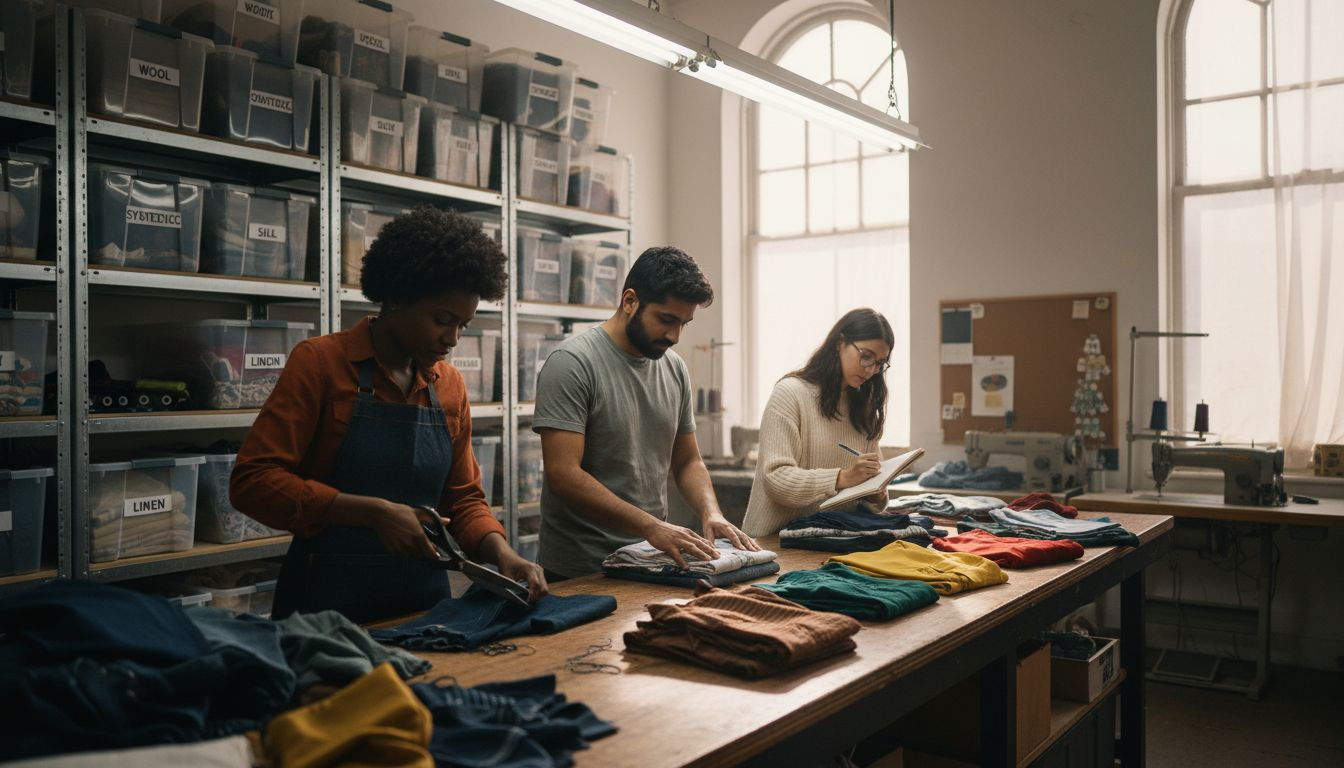
Sorting through piles of leftover fabric and wondering if it could become something more than cleaning rags is a common scene for creative North American makers. Embracing textile upcycling means looking past the myth that it is just a crafty hobby and recognizing its potential for impactful, sustainable design. By breaking down misconceptions and understanding material science, you unlock ways to turn textile scraps into projects that are truly valuable for both your home and the environment.
| Point | Details |
|---|---|
| Understanding Upcycling | Textile upcycling is more than creative reuse; it requires expertise in material science and design to enhance product value. |
| Common Misconceptions | Upcycling has commercial potential; not all textile waste can be upcycled effectively. |
| Environmental Benefits | Upcycling reduces landfill waste, conserves resources, and mitigates carbon emissions but presents challenges like energy use and microplastic risks. |
| Planning and Risks | Comprehensive material sorting, chemical management, and market analysis are crucial to avoid common pitfalls in upcycling projects. |
Textile upcycling represents a sophisticated approach to transforming fabric waste, far more nuanced than many people realize. Unlike traditional recycling methods, upcycling involves creatively repurposing textile materials into higher-value products that retain or enhance their original quality and aesthetic potential.
Numerous misconceptions persist about textile upcycling, which can discourage potential practitioners. Some key misunderstandings include:
Researchers have highlighted that textile upcycling challenges extend beyond simple creative reuse. The process demands sophisticated understanding of material properties, consumer preferences, and sustainable design principles.
Understanding these nuances is critical for anyone interested in transforming textile waste. Upcycling isn’t just about creating something new - it’s about creating something better, more valuable, and more sustainable than the original material.
Pro tip: Start your textile upcycling journey by analyzing fabric composition and potential transformation strategies before cutting or restructuring any materials.
Textile upcycling encompasses a diverse range of project types that transform fabric waste into innovative and valuable products. Upcycling approaches span from artisan crafts to industrial reprocessing techniques, demonstrating the versatility and potential of sustainable textile transformation.
The primary categories of textile upcycling projects include:
North American textile waste streams have particularly interesting upcycling potential, especially for materials like cotton, wool, and polyester blends. These projects range from fashion design initiatives to industrial waste management strategies, highlighting the economic and environmental significance of textile transformation.
Commercial upcycling ventures are increasingly sophisticated, moving beyond simple fabric repurposing to create high-value products with enhanced functionality and aesthetic appeal. The goal is not just waste reduction, but creating materials that exceed the original textile’s value and potential.
Here is a comparison of major textile upcycling project types and their unique characteristics:
| Project Type | Scale | Primary Techniques | Typical Output |
|---|---|---|---|
| Handcrafted Artisan Projects | Small to medium | Manual design and assembly | One-of-a-kind fashion pieces |
| Industrial Mechanical Upcycling | Large | Shredding, re-spinning | Recycled yarn, new fabrics |
| Chemical Recycling Projects | Medium to large | Depolymerization and reformation | High-purity fibers |
| Biotechnological Upcycling | Emerging | Enzyme or microbial transformation | Enhanced biodegradable textiles |
Pro tip: Research local textile waste streams and identify specific material compositions before launching your upcycling project to maximize potential and effectiveness.
Textile upcycling is a sophisticated process that transforms discarded fabrics into valuable new products through a carefully orchestrated sequence of steps. Textile waste collection and sorting form the critical initial stages of this innovative recycling approach.
The comprehensive textile upcycling process typically involves several key stages:
Textile Waste Collection
Material Sorting and Categorization
Advanced upcycling techniques include mechanical, chemical, and enzymatic processing methods that break down and reconstruct textile fibers. Mechanical methods involve physical manipulation like shredding and re-spinning, while chemical processes use sophisticated depolymerization techniques to extract and purify textile components.
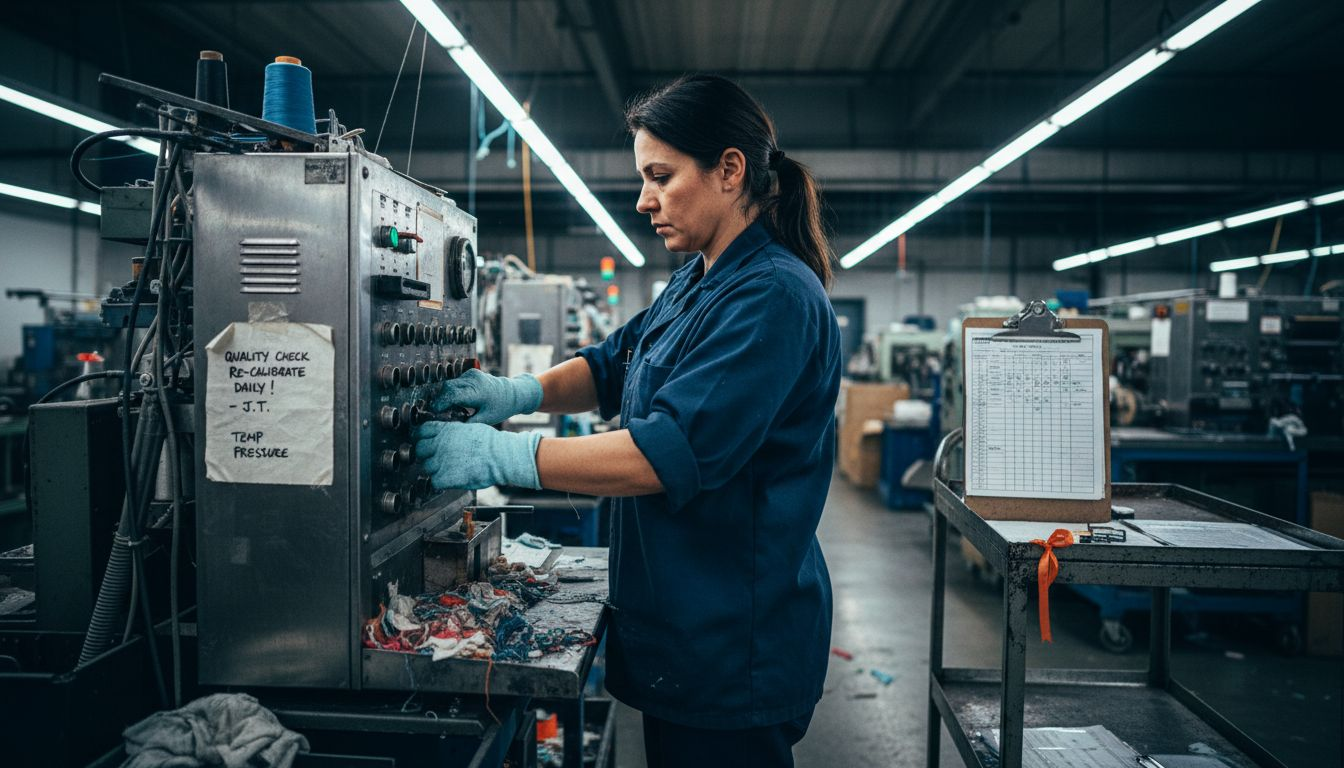
North American upcycling initiatives are particularly innovative, focusing on transforming complex textile blends into high-value products. The goal extends beyond waste reduction, aiming to create materials with enhanced functionality, aesthetic appeal, and environmental sustainability.
Pro tip: Invest in a digital scale and fiber composition testing kit to accurately categorize and assess textile waste before initiating your upcycling project.
Textile upcycling represents a promising approach to addressing environmental challenges in the fashion and textile industries. Environmental impacts of textile upcycling reveal complex sustainability dynamics, balancing significant ecological advantages with notable technical constraints.
Key environmental benefits include:
However, the process is not without limitations. Chemical recycling methods can consume substantial energy, and some upcycling techniques may generate microplastic pollution. Blended textiles pose significant challenges, as their complex compositions often prevent complete material recovery.
North American upcycling initiatives are increasingly sophisticated, developing innovative strategies to address these technical barriers. The goal extends beyond simple waste reduction, focusing on creating a circular economy that transforms textile waste into valuable, sustainable resources.
The table below summarizes benefits and limitations of textile upcycling methods:
| Aspect | Main Benefits | Key Limitations |
|---|---|---|
| Landfill Reduction | Diverts large waste volumes | Blends still hard to process |
| Carbon Emissions | Reduces compared to new production | Some methods energy-intensive |
| Resource & Water Use | Conserves raw materials, water | Microplastic risks remain |
| Circular Economy Potential | Supports sustainable industry growth | Requires advanced technology |
Pro tip: Conduct a comprehensive lifecycle assessment of your upcycling process to accurately measure and minimize environmental trade-offs.
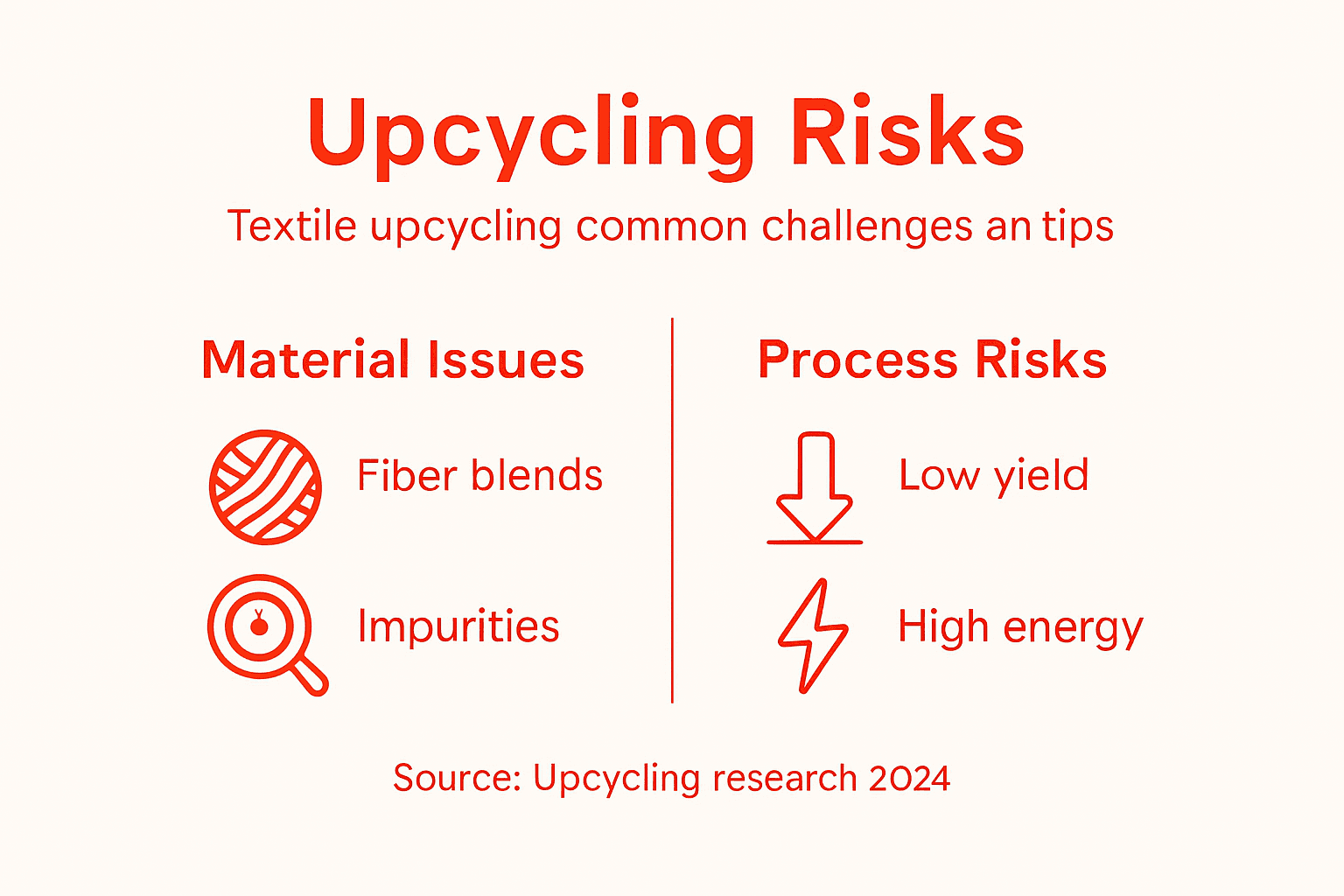
Textile upcycling requires careful navigation of complex technical and strategic challenges. Textile recycling risks demand comprehensive planning and expertise, with potential pitfalls that can derail even well-intentioned projects.
Common mistakes in textile upcycling include:
North American upcycling initiatives reveal that successful projects require meticulous attention to material characteristics, supply chain collaboration, and market demand. Practitioners must carefully assess fiber composition, potential contamination, and economic viability before initiating any transformation process.
Technical challenges are particularly nuanced, with fiber blends presenting complex obstacles that can compromise upcycling effectiveness. Understanding these limitations is crucial for developing sustainable and economically viable textile recycling strategies.
Pro tip: Conduct comprehensive material testing and create a detailed risk assessment matrix before launching any textile upcycling initiative.
Textile upcycling comes with challenges like precise material sorting and creating valuable products that surpass original textile quality. If you want to turn fabric waste into sustainable, high-value creations, choosing the right fabrics is essential. At fashion, you can explore a wide variety of premium textiles designed for apparel and custom design projects, helping you unlock new creative potentials while embracing sustainable practices.
Take control of your upcycling journey with top-quality materials that meet your exact needs. Visit Home Decor - Upholstery Fabrics for durable textiles ideal for both artisan and large-scale projects. Start transforming textile waste into beautiful, eco-conscious products today. Discover more options and expert resources now at https://fabric-fabric.com. Your next sustainable masterpiece awaits.
Textile upcycling is the process of creatively repurposing fabric waste into higher-value products that retain or enhance the original material’s quality and aesthetic potential.
Unlike traditional recycling, which typically breaks down materials to create new products of lower value, textile upcycling transforms fabric waste directly into new items, often enhancing their functionality and appeal.
The primary types of textile upcycling projects include handcrafted artisan projects, industrial mechanical upcycling, chemical recycling projects, and biotechnological upcycling, each utilizing different techniques and scales of operation.
Common mistakes include inadequate material sorting, poor chemical management, underestimating project costs, overestimating technological capabilities, and failing to comply with environmental and safety regulations.