

 US Dollar

Complete Guide to the Role of Fabric Weights
Posted by BLG on 2025 Oct 20th
Posted by BLG on 2025 Oct 20th

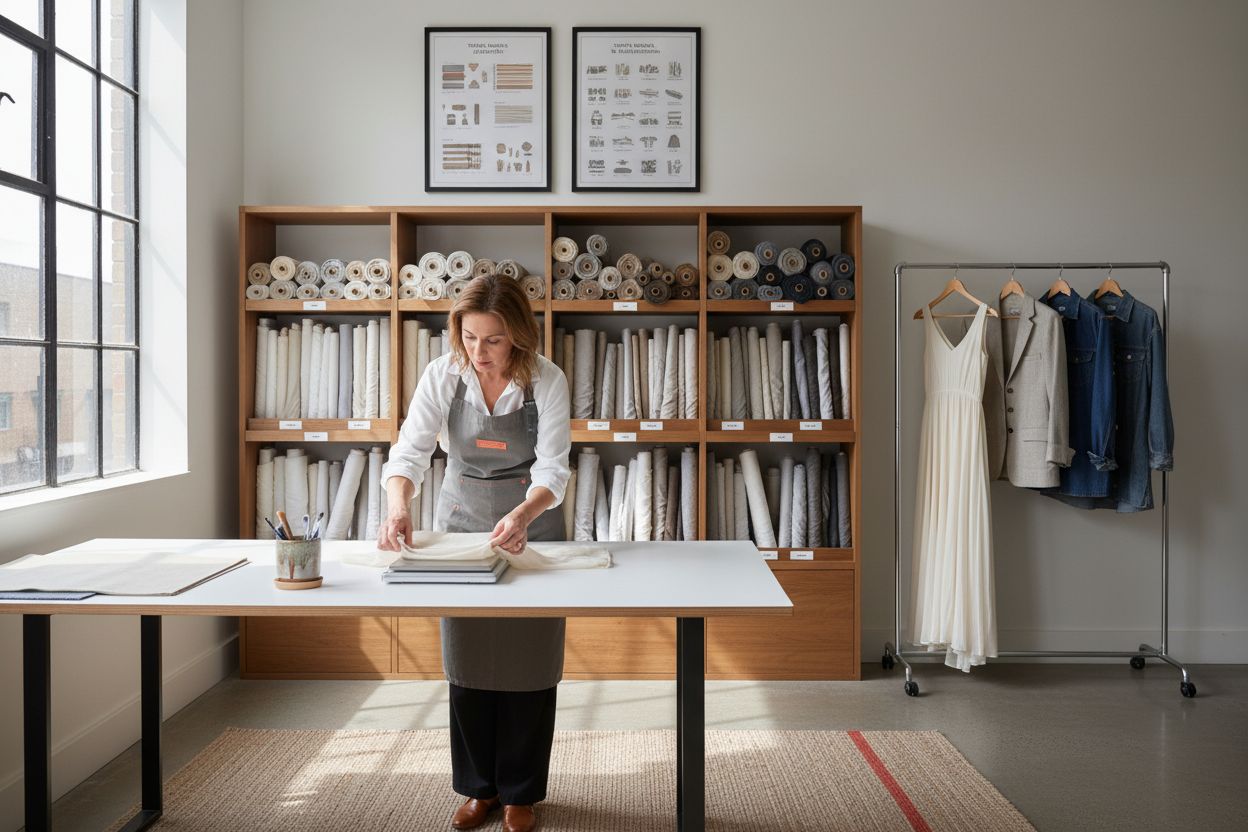
Did you know that fabric weight can range from as light as 30 GSM to over 600 GSM, shaping everything from delicate dresses to rugged outdoor gear? For anyone who sews, crafts, or designs, fabric weight becomes the silent force behind comfort, style, and durability. Making the right choice depends on knowing how different weights transform a project’s feel and performance—switching up your fabric could completely change the outcome.
| Point | Details |
|---|---|
| Understanding Fabric Weight | Fabric weight, measured in GSM, is critical for selecting appropriate materials that affect comfort, durability, and project performance. |
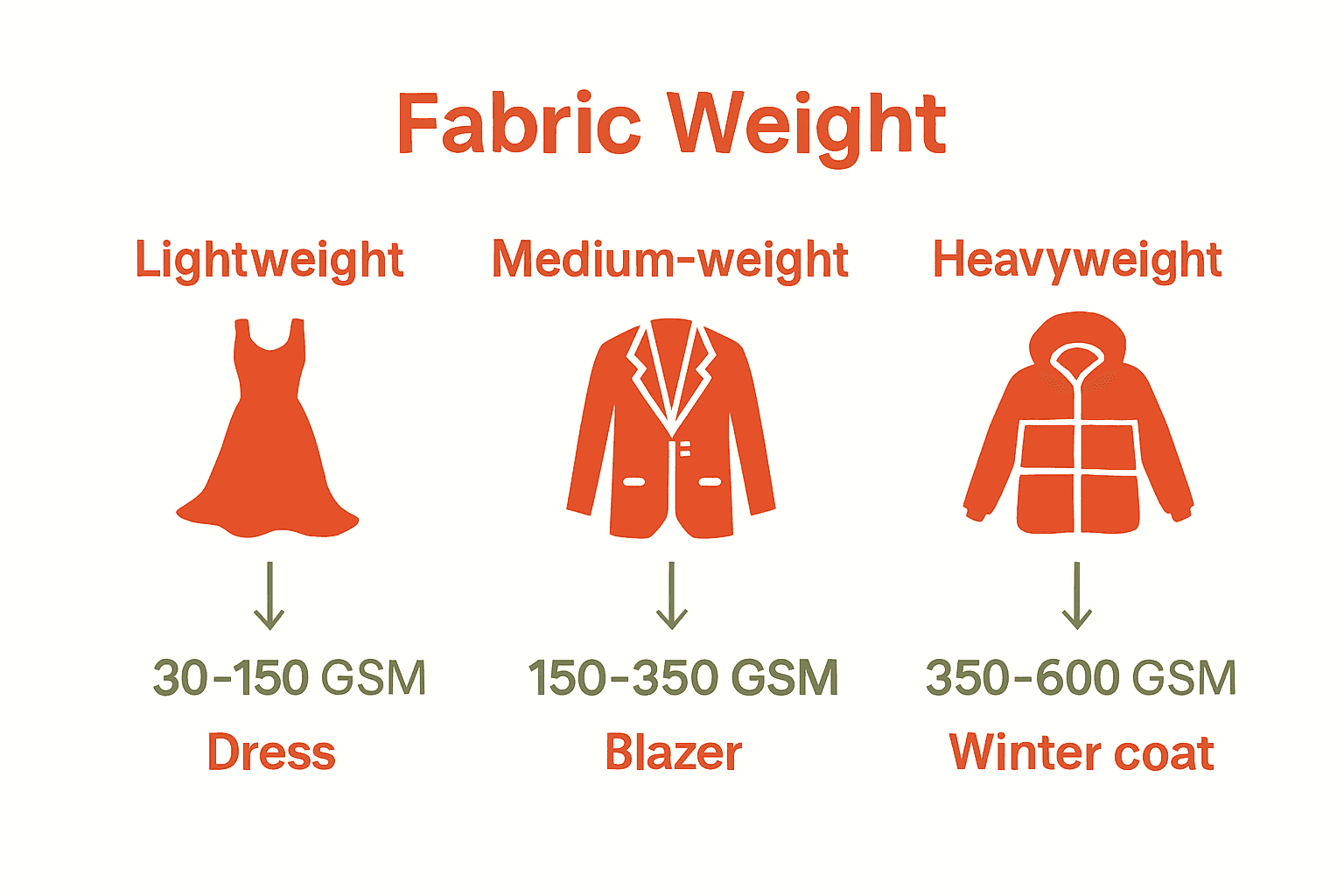
| Fabric Weight Categories | Lightweight (30-150 GSM), medium-weight (150-350 GSM), and heavyweight (350-600 GSM) fabrics serve distinct purposes, from summer wear to winter gear. |
| Impact on Project Choices | The right fabric weight influences drape, structural integrity, and overall success in crafting and design projects. |
| Common Mistakes | Avoid mismatching fabric weight with the intended project requirements to prevent functional and aesthetic failures in your creations. |
Fabric weight is the essential measure that tells you how thick, heavy, and substantial a textile will be for your specific project. Think of it like choosing the right coat for winter or summer weather - the weight determines comfort, durability, and performance. Fabric weight typically refers to the density of fibers per square yard or meter, expressed in grams per square meter (GSM) or ounces per square yard.
Understanding fabric weight isn’t just technical jargon - it’s crucial for selecting the right material. Different weights serve different purposes across fashion, home decor, and crafting. Lightweight fabrics around 30-150 GSM work perfectly for delicate summer dresses, lightweight shirts, and sheer curtains. Medium-weight fabrics between 150-350 GSM are versatile champions, ideal for structured shirts, casual pants, and upholstery with moderate durability.
For crafters and designers, fabric weight becomes a strategic decision. Heavy fabrics weighing 350-600 GSM provide strength and warmth - think winter jackets, thick upholstery, and outdoor gear. Quilters especially need to understand weight for creating pieces with proper drape and structural integrity. Your fabric’s weight impacts:
Mastering fabric weight means transforming your creative vision from concept to reality, ensuring each textile choice supports your specific project goals.
Fabric weights are not a one-size-fits-all concept - they vary dramatically across different textile categories, each designed for specific purposes and performance requirements. Textile weight classification ranges from ultralight to heavyweight, with distinct characteristics that make each category unique. Understanding these variations helps crafters, designers, and makers select the perfect material for their project.
Here’s an overview of common fabric weight categories and their typical uses:
| Fabric Weight | GSM Range | Common Fabrics | Typical Uses |
|---|---|---|---|
| Lightweight | 30-150 | Chiffon Organza Cotton voile |
Summer dresses Light shirts Sheer curtains |
| Medium-weight | 150-350 | Denim Cotton twill Light wool |
Structured shirts Casual pants Everyday upholstery |
| Heavyweight | 350-600 | Canvas Thick wool Upholstery fabric |
Winter coats Outdoor gear Heavy cushions |
In apparel textiles, weight categories become incredibly nuanced. Lightweight fabrics (30-150 GSM) include delicate materials like chiffon, organza, and lightweight cotton voile - perfect for summer clothing and layering pieces. Medium-weight fabrics (150-350 GSM) represent the workhorses of fashion, including denim, cotton twill, and lightweight wool suiting. These versatile textiles provide structure without excessive bulk, making them ideal for everyday clothing and structured garments.
Heavy-weight fabrics (350-600 GSM) serve entirely different purposes, offering maximum durability and warmth. This category includes:
Beyond clothing, fabric weights play critical roles in home decor and craft applications. Quilters select specific weights for batting and backing, while interior designers choose upholstery weights based on furniture usage, traffic, and desired aesthetic. Each weight tells a story - from ethereal summer scarves to robust outdoor cushions - revealing the incredible versatility of textile engineering.
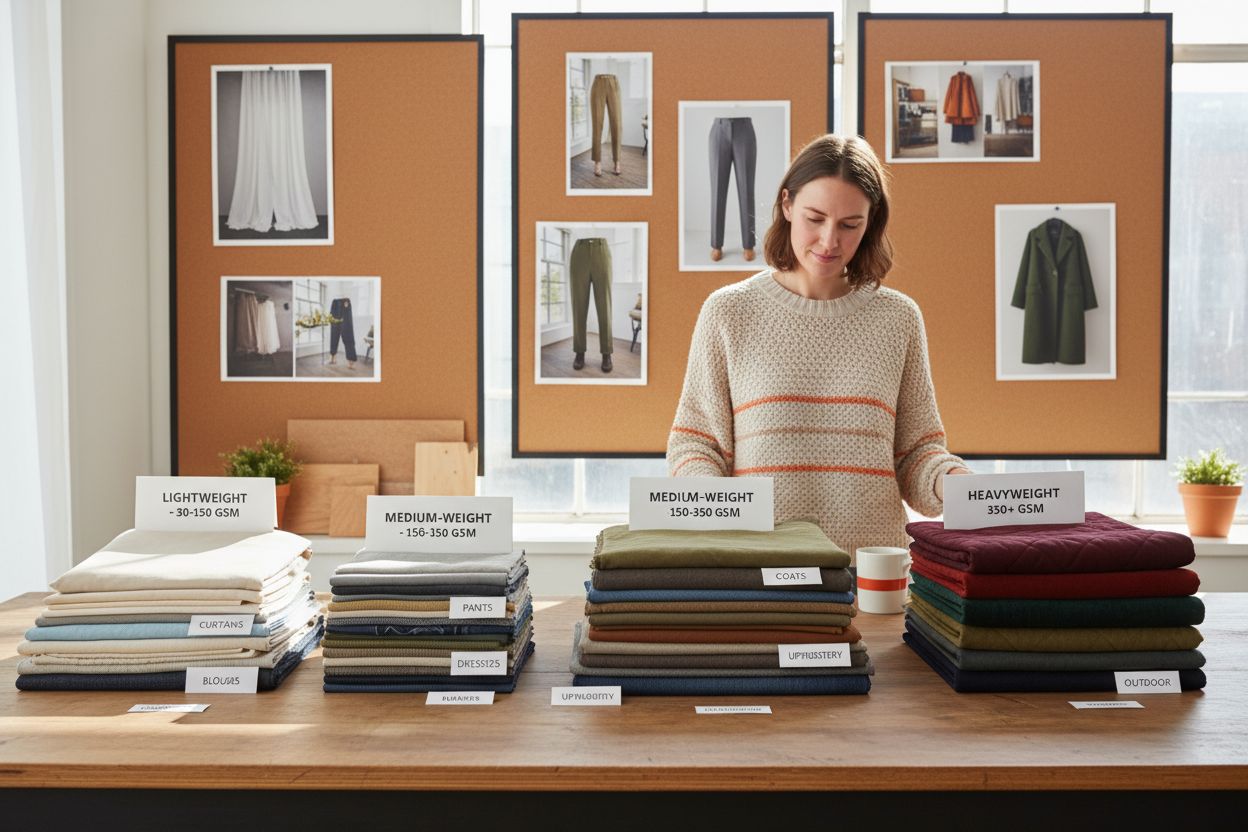
Choosing the right fabric weight is like selecting the perfect ingredient for a recipe - it can make or break your entire project. Each weight brings unique characteristics that directly impact the functionality, comfort, and overall success of your textile creation. Whether you’re sewing a delicate summer dress or crafting a robust outdoor cushion, the weight of your fabric determines everything from drape and durability to comfort and performance.
For clothing projects, fabric weight becomes a strategic design decision. Lightweight fabrics (30-150 GSM) create flowing, breathable garments perfect for hot weather and layering. These delicate materials work beautifully for summer dresses, lightweight shirts, and sheer scarves. Medium-weight fabrics (150-350 GSM) offer more structure and versatility - ideal for structured shirts, tailored pants, and versatile everyday wear that requires some body and minimal transparency.
Home decor and craft projects demand even more precise weight considerations. Quilters rely on specific fabric weights to achieve the right thickness and drape in their designs. Upholstery demands heavyweight fabrics that can withstand constant use. Consider these critical project weight requirements:
Ultimately, understanding fabric weight transforms you from a casual crafter to a strategic textile artist, ensuring each project looks and performs exactly as you imagined.
Selecting the perfect fabric weight requires understanding your project’s unique demands and practical considerations. Think of fabric weight as a strategic tool that transforms your creative vision into a tangible, functional result. The right weight isn’t just about thickness - it’s about matching material characteristics to your specific performance requirements, aesthetic goals, and intended use.
For fashion and apparel projects, weight selection becomes an art form. Lightweight fabrics (30-150 GSM) work brilliantly for summer clothing, creating breathable, flowing silhouettes that move with your body. Medium-weight fabrics (150-350 GSM) provide versatility for year-round wear, offering enough structure for tailored pieces while maintaining comfort. When designing structured garments like blazers or winter coats, heavier weights (350-600 GSM) deliver the durability and warmth necessary for challenging environments.
Crafters and designers should consider these key factors when matching fabric weight to project needs:
Professional tip: Always purchase a small fabric sample and test it against your specific project requirements. Feel the fabric’s weight, stretch, and texture. Hold it up to light. Drape it. These simple steps can prevent costly mistakes and ensure your final creation matches your original creative vision perfectly.
Choosing the wrong fabric weight can turn an exciting project into a frustrating experience. Many crafters and designers unknowingly sabotage their work by overlooking critical weight considerations that dramatically impact the final result. Understanding these common pitfalls helps you make more informed textile selections and avoid costly mistakes that can derail your creative vision.
One of the most frequent errors is mismatching fabric weight with project requirements. Beginners often select fabrics without considering how weight affects drape, structure, and performance. For instance, using a heavyweight canvas for a delicate summer dress will create a stiff, uncomfortable garment that completely misses the intended design. Similarly, choosing an ultralight chiffon for outdoor cushions guarantees rapid wear and tear. Each project demands careful weight consideration - what works perfectly in one context can be disastrous in another.
Experienced creators recognize these critical fabric weight mistakes:
The secret to successful fabric selection lies in thoughtful experimentation. Always request fabric samples, test their performance under realistic conditions, and remember that weight is just one factor in creating a remarkable textile project. Your attention to detail transforms good intentions into extraordinary results.
Have you ever struggled to find fabric with the right weight, comfort, and quality for your unique project? The article highlights how selecting the correct fabric weight is the key to long-lasting results, whether you want airy summer dresses, durable upholstery, or a quilt that drapes just right. At Fabric-Fabric.com, your search for the perfect fabric becomes easy and stress-free.
Explore our extensive online selection, where every product listing includes clear weight descriptions and usage suggestions. Shop by project type or fabric structure and see how our detailed information helps you confidently choose what suits your needs. Ready to start your next project with confidence? Visit Fabric-Fabric.com to experience shopping where expert guidance meets premium textiles. Upgrade your creations today by choosing fabrics with the weight and feel you truly want.
Fabric weight measures the thickness and heaviness of a textile, affecting comfort, durability, and performance. Understanding fabric weight is crucial for selecting the right material for various projects in fashion, home decor, and crafting.
Fabric weight influences drape, structure, and wearability. Lightweight fabrics are ideal for flowing summer garments, while medium-weight fabrics offer versatility for tailored clothing, and heavyweight fabrics provide durability and warmth for outerwear.
Fabric weight categories include lightweight (30-150 GSM) for summer clothing, medium-weight (150-350 GSM) for structured garments and everyday wear, and heavyweight (350-600 GSM) for durable items like coats and outdoor gear.
Consider climate, desired drape, intended use, and washing expectations when selecting fabric weight. Testing small fabric samples against your project requirements can help ensure the final outcome matches your creative vision.