

 Canadian Dollars

Complete Guide to the Role of Fabric Weights
Posted by BLG on 2025 Oct 20th
Posted by BLG on 2025 Oct 20th


Did you know that a small change in fabric weight can completely alter the comfort and durability of your finished project? A typical T-shirt weighs just 150 grams per square metre, shaping its softness and breathability. For anyone creating garments or home decor, understanding fabric weight is crucial because it directly influences the feel, structure, and lifespan of every textile piece you choose.
| Point | Details |
|---|---|
| Fabric weight matters | Fabric weight, measured in grams per square meter (GSM), influences a textile’s comfort, durability, and ultimately its suitability for specific applications. |
| Weight categories | Fabrics are stratified into ultra-lightweight, lightweight, midweight, and heavyweight, each serving distinct uses from delicate blouses to heavy-duty outdoor gear. |
| Performance implications | The weight of fabric directly affects its performance characteristics in various contexts, such as enhancing agility in athletic wear or providing insulation in outerwear. |
| Avoid common mistakes | Selecting fabric requires awareness of factors beyond just weight, such as fiber content and weave complexity, to ensure the material aligns with project needs. |
Fabric weight isn’t just a technical measurement—it’s a critical factor that determines how a textile will perform, feel, and function in your project. Fabric weight is most commonly measured in grams per square metre (GSM), a precise metric that specifies the mass of fabric per unit area, directly influencing its characteristics like density, thickness, and overall quality.
According to research from textile industry experts, fabric weight dramatically affects a material’s comfort, durability, and potential applications. Generally, fabrics are classified into three primary weight categories:
Understanding fabric weight helps crafters, designers, and hobbyists make informed decisions. A typical T-shirt, for instance, weighs around 150 g/m², which provides a comfortable, lightweight feel. By considering GSM, you can select materials that not only look beautiful but also meet the specific functional requirements of your project.
Fabric weight is not a one-size-fits-all concept—different applications demand specific weight ranges that optimize performance and functionality. Fabric weight categories are strategically defined to match the unique requirements of various projects, from delicate summer clothing to robust industrial gear.
According to research from textile industry experts, fabric weights can be comprehensively classified across multiple ranges:
Understanding these weight classifications empowers crafters and designers to select precisely the right fabric for each unique project. Whether you’re creating a breezy summer top or a robust outdoor gear piece, matching the fabric weight to your specific application ensures optimal performance, comfort, and longevity.
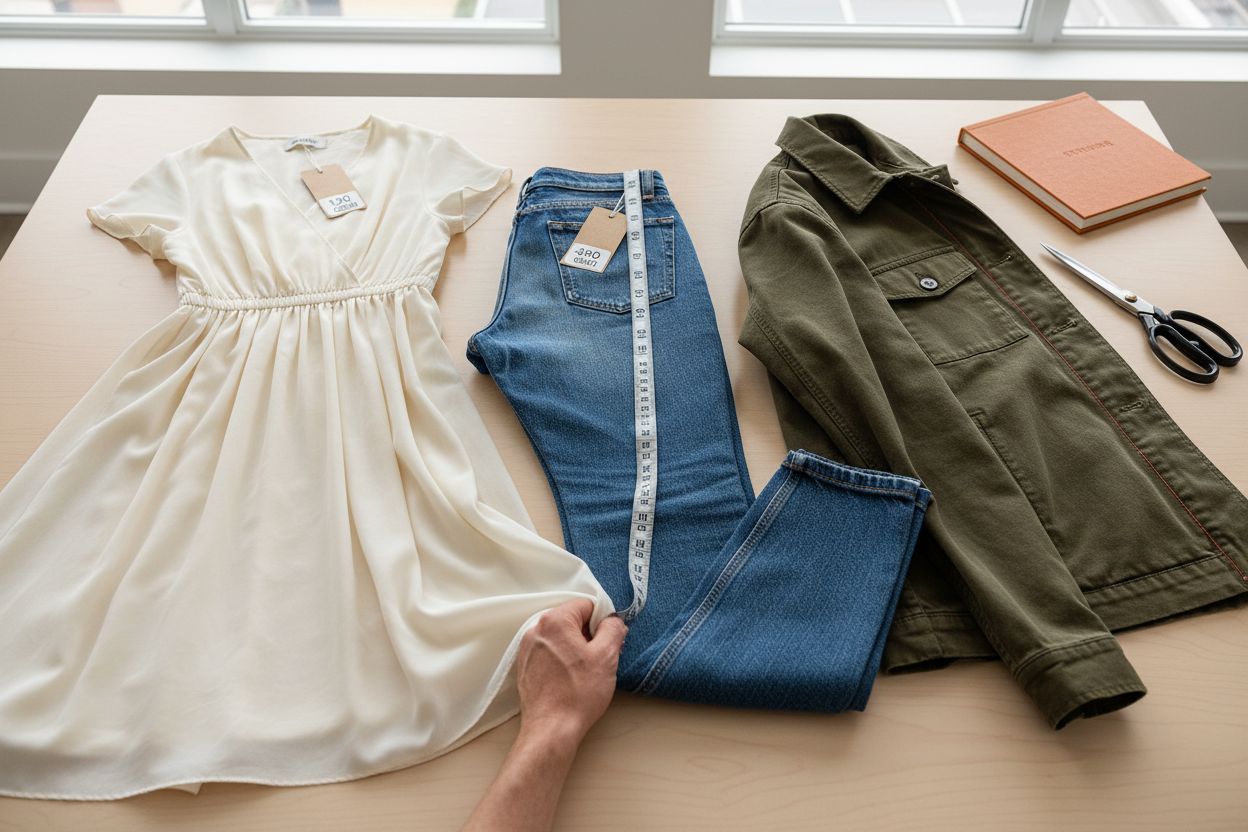
Here’s a quick overview of fabric weight categories and their typical applications:
| Fabric Weight Category | GSM Range | Common Uses |
|---|---|---|
| Ultra-lightweight | Under 100 GSM | Sheer tops Scarves Blouses |
| Lightweight | 100–170 GSM | Summer shirts Sundresses Linings |
| Midweight | 170–340 GSM | Everyday jeans Jackets Upholstery |
| Heavyweight | 340+ GSM | Coats Bags Industrial upholstery |
Fabric weight is a critical determinant of textile performance, influencing everything from comfort and durability to functional capabilities across different environments and applications. The mass of fabric per square meter directly impacts how a material will behave, respond to movement, and withstand various conditions.
According to research in athletic performance and textile engineering, fabric weight significantly transforms a material’s characteristics. In athletic contexts:
Beyond athletic applications, fabric weight influences practical performance across domains. Lighter fabrics (under 57–85 GSM) are more pliable and breathable, often featuring sheer qualities ideal for summer clothing. Conversely, heavier fabrics like denim provide superior wear resistance, reduced transparency, and improved structural integrity, making them perfect for workwear, upholstery, and items requiring long-lasting performance. By understanding these weight-related nuances, designers and creators can strategically select textiles that precisely match their project’s functional requirements.
Choosing the perfect fabric weight is like selecting the right tool for a specific job—it can make or break your entire project’s success. Fabric weight selection requires careful consideration of your project’s unique demands, balancing aesthetic desires with functional requirements.
According to textile industry experts, fabric weight selection should strategically align with your specific application:
Lightweight Fabrics (100–180 GSM):
Medium Weight Fabrics (180–270 GSM):
Heavyweight Fabrics (270+ GSM):
The key is matching fabric weight to your project’s specific needs. Consider factors like desired drape, intended use, season, and required durability. A summer sundress demands different fabric characteristics than a robust winter coat. By thoughtfully selecting your fabric weight, you’ll ensure your project not only looks fantastic but performs exactly as you envision.
Choosing fabric isn’t just about numbers on a scale—it’s an art of understanding how textile properties interact to create the perfect material for your project. Novice crafters and designers often fall into predictable traps that can derail even the most well-intentioned creative endeavors.
According to textile experts, the most critical mistakes in fabric weight selection stem from oversimplifying the complex world of textiles. Research reveals several common pitfalls:
A prime example illustrates this complexity: lightweight lawns and chambrays might appear identical in weight but can feel dramatically different due to unique fiber properties. Tight weaves and thick yarns increase weight while simultaneously reducing flexibility, potentially creating a stiff garment where fluidity was intended. By understanding these nuanced interactions between weight, fiber, and weave, you’ll transform potential mistakes into informed design choices that elevate your creative projects.
Do you struggle to pick the right fabric weight and end up unsatisfied with your results? If you have ever faced confusion over GSM values, or worried about getting the best balance of comfort, durability, and structure, you are not alone. The guide you just read breaks down the impact of fabric weight, but actually making the right choice for your project is the next key step. With so many fibers, weaves, and weights to consider, choosing the ideal fabric can feel overwhelming.
Turn your fabric knowledge into real results today. The https://fabric-fabric.com store makes it easy for you to shop by intended use, compare fabric types, and read all the details for every product in one place. Whether you are sewing breezy apparel, sturdy upholstery, or experimenting with unique materials, you can quickly narrow your options and find exactly what you need. Browse our extensive collection now and let every detail of your next project shine. Visit our fabric shop and experience how choosing by weight can simplify your creative process and help you achieve professional quality, every time.
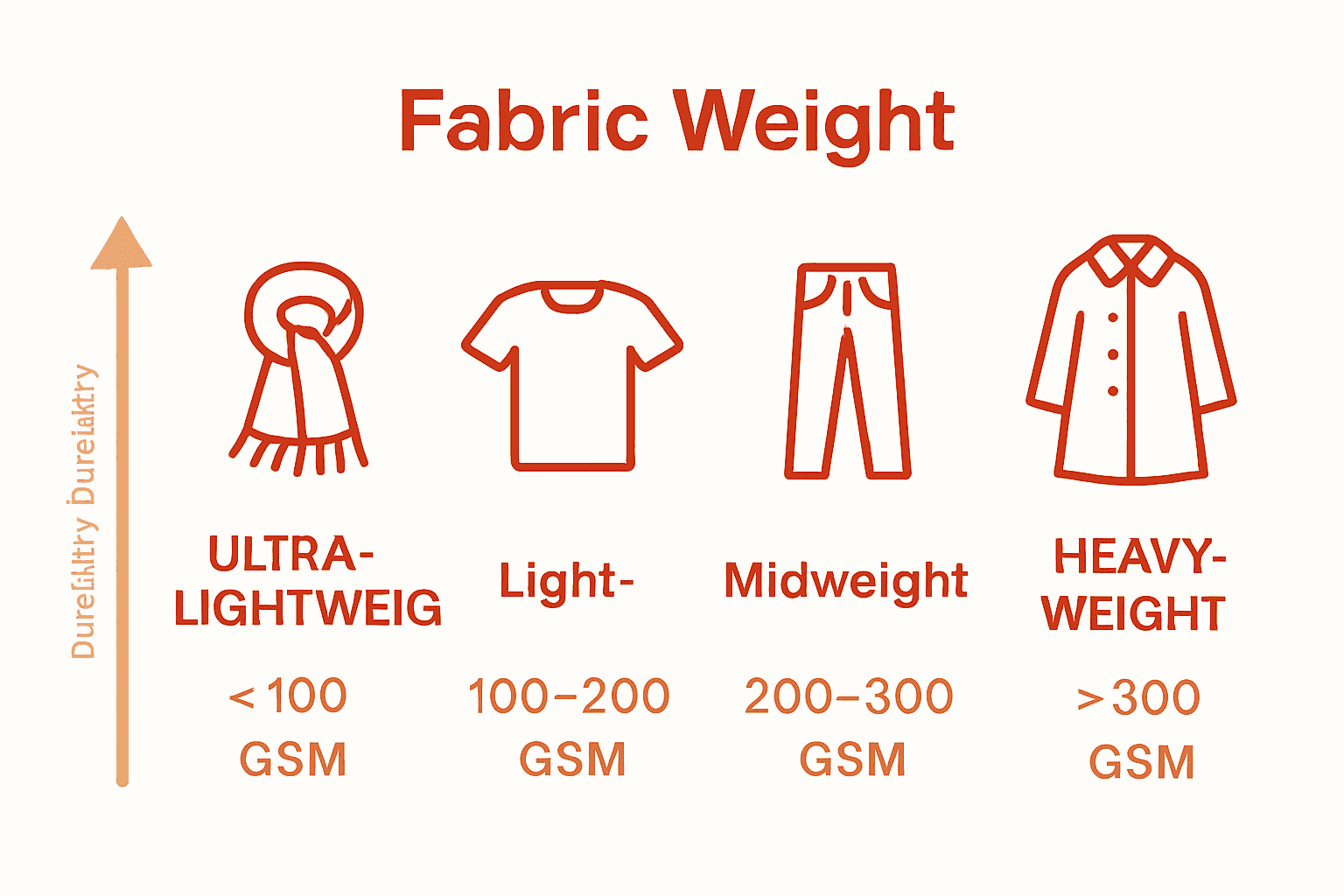
Fabric weight is a measurement that indicates the mass of fabric per unit area, commonly expressed in grams per square meter (GSM). It helps determine how a fabric will perform, feel, and function in various applications.
Fabric weight plays a critical role in comfort and durability; lightweight fabrics provide breathability and are ideal for summer clothing, while heavyweight fabrics offer structure and durability, making them suitable for outerwear and sturdy designs.
Fabrics are generally categorized into ultra-lightweight (under 100 GSM), lightweight (100–170 GSM), midweight (170–340 GSM), and heavyweight (340+ GSM), each serving distinct purposes from delicate summer wear to heavy-duty upholstery.
Selecting the right fabric weight involves considering the specific needs of your project, such as desired drape, intended use, seasonality, and required durability. Match the fabric weight to the functional and aesthetic demands of your design.