

 US Dollar

Sewists: Plan 10–20% More Yardage for Quilting Cotton Apparel
Posted by BLG on 2026 Sep 16th
Posted by BLG on 2026 Sep 16th

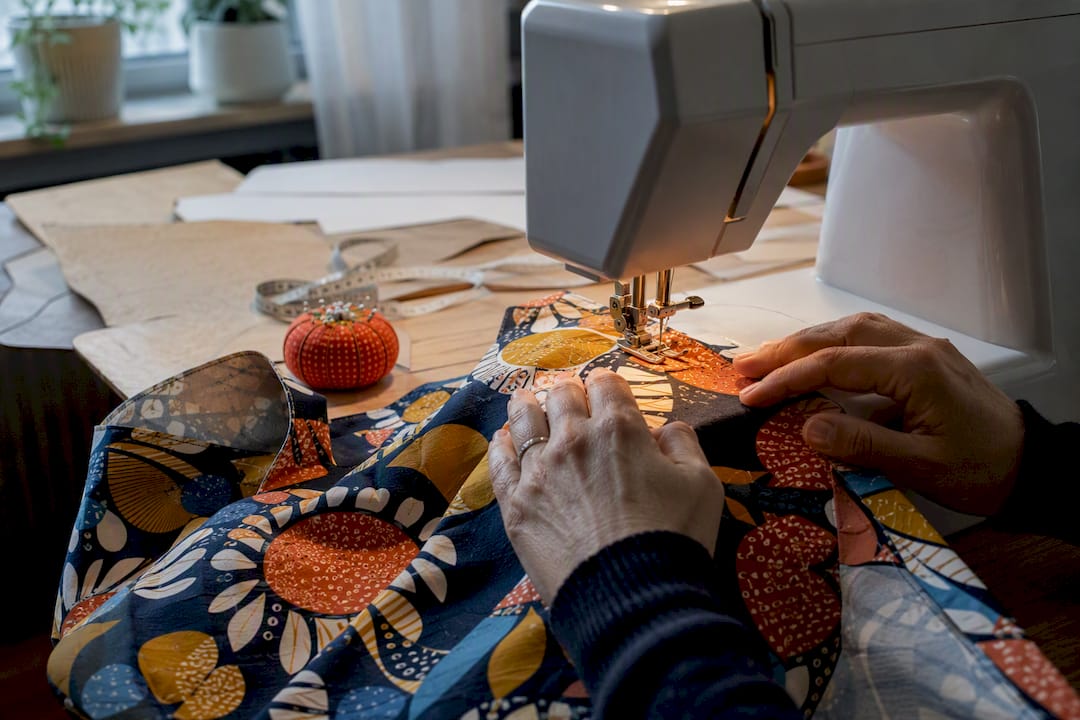
Quilting cotton works well for clothing when the pattern wants structure, not drape, think A-line skirts, boxy tops, pinafores, and roomy pajamas. Skip it for anything that needs to hang or hug the body. Prewash and soften every yard first, expect the standard 44–45" width to run short on some patterns, and budget extra fabric accordingly. It is possible to purchase both yardage and swatches to test fabric before committing to a larger amount.
TL;DR:
- Quilting cotton is suitable for structured garments like A-line skirts or boxy tops but performs poorly in designs requiring drape or close-fitting silhouettes.
- Prewashing and softening the fabric are essential to account for shrinkage and stiffness, which can affect fit and comfort.
- Using a universal needle and techniques such as staystitching and seam finishing helps manage fraying and maintain crisp, structured seams.
- Expect to buy 10 to 20 percent more yardage than pattern instructions because quilting cotton is narrower than typical apparel fabrics, especially for larger or directional prints.
- Washing in cool water and air drying preserves print colors and prevents post-construction shrinkage, maintaining the garment’s appearance over time.
Quilting cotton has body. That’s not a flaw, it’s a design constraint you work with instead of against. The garments that succeed are the ones where a little stiffness reads as intentional structure rather than a mistake.
Patterns that consistently turn out well:
Collars, pleats, and structured gathers all benefit from a fabric that holds a crease and doesn’t collapse. Sleeves are where quilting cotton struggles most. A fitted long sleeve will look boxy and stiff at the elbow, so stick with sleeveless designs or go the other direction entirely with a roomy, statement sleeve that wants volume. Some indie pattern companies now list “quilting cotton or medium weight woven” right on the pattern envelope, which is the fastest way to know a design was built with this fabric’s limits in mind.
Skipping prep is the single most common reason a finished garment disappoints. Quilting cotton carries sizing straight off the bolt, and it shrinks more than most sewists expect.
Pro Tip: Cut and prewash a fat quarter first if you’re unsure about a print. It tells you shrinkage, softness, and grain in about 20 minutes instead of committing three yards to a guess.
The right needle and a few habit changes make the difference between a garment that looks handmade and one that looks intentional. Start with an 80/12 universal needle for most weights, sizing up to a 90/14 if the fabric is on the heavier end, and use all-purpose polyester or cotton thread.
A few techniques matter more here than with true apparel cotton:
Pro Tip: Test your stitch settings on a scrap from the same bolt, not a random swatch. Print density and finishing vary enough between bolts to throw off tension settings you dialed in last time.
Most commercial patterns are drafted with drapey cotton lawn or shirting in mind, so a direct substitution can leave you with a stiff, tent shaped result. A few adjustments fix that without redrafting the whole pattern.
A lightweight lining in voile, batiste, or cotton lawn turns a stiff, slightly abrasive quilting cotton shell into something pleasant against skin. Line the bodice and neckline first. Those are the highest contact areas, and a full skirt lining is often optional depending on the silhouette.
Most quilting cotton ships about 44 inches wide, while a lot of apparel patterns are drafted assuming a 54 to 60 inch bolt. That gap means you’ll almost always need more yardage than the pattern envelope states for a comparable apparel fabric.
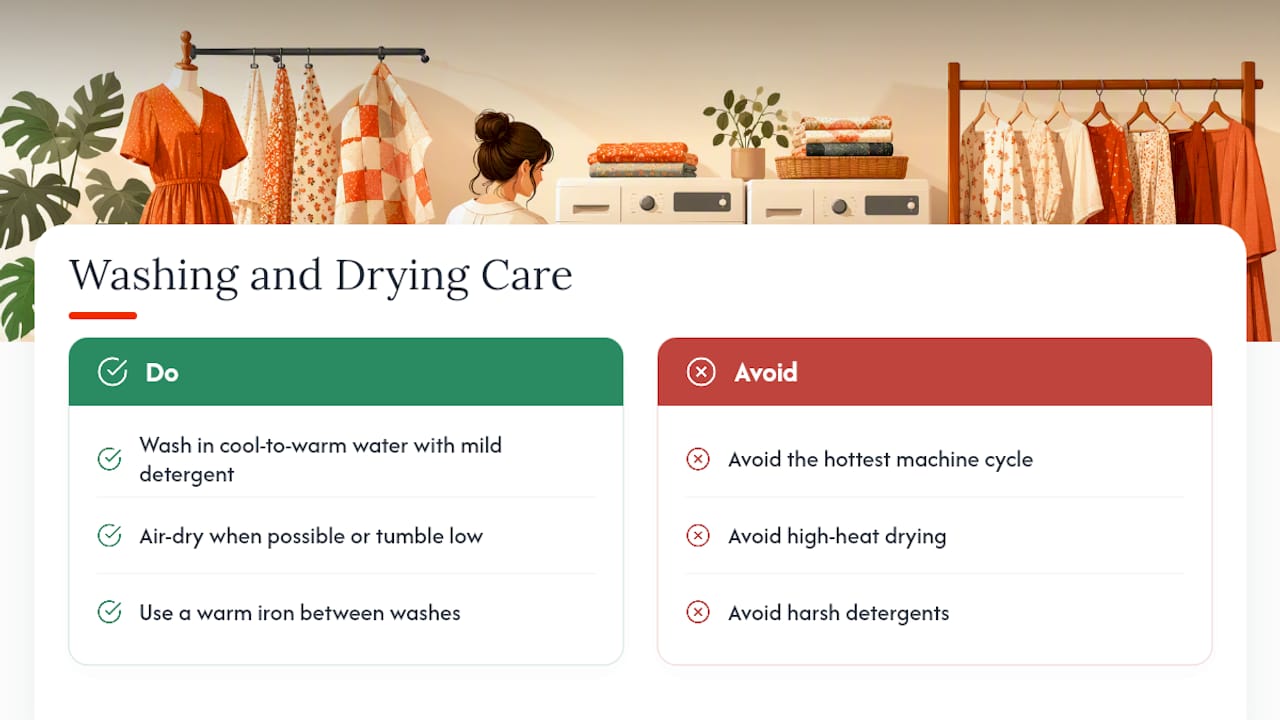
Wash finished garments in cool to warm water with a mild detergent to protect print color and stitching. Skip the hottest cycle your machine offers.
Air dry when possible, or use a low heat tumble setting, since high heat is what drives most post construction shrinkage and premature softening of the print’s surface. A warm iron restores the crisp hand quilting cotton is known for between washes, and expect the fabric to keep softening gradually with every additional wash cycle, eventually landing somewhere between its stiff, off-the-bolt feel and true apparel cotton.
Product listings on Fabric-fabric’s quilting fabric page note weight, width, and care instructions right alongside each print, which matters more for apparel decisions than it does for quilting projects. Before committing to yardage, order a swatch. It’s the cheapest way to check drape, translucency, and whether a large scale print will actually work at garment size rather than just on a quilt block.
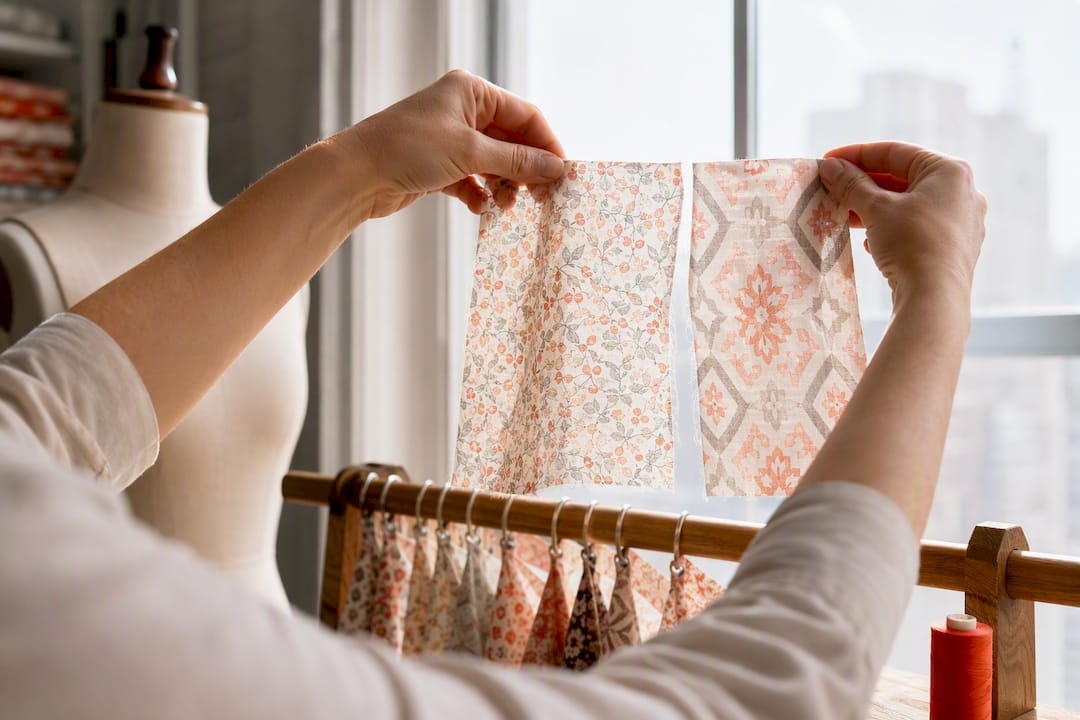
Browsing by print category, like geometric prints or novelty animal prints, also helps you judge scale before you buy, since a motif that reads charming on a bolt photo can look oversized on a bodice.
Quilting cotton earns its reputation as a forgiving fabric for a reason: it presses crisp, holds a seam, and turns bold prints into wearable clothes without demanding advanced technique. The mistake is expecting it to drape like lawn or voile. It won’t, and fighting that is a losing battle.
Pick projects that want structure, prewash without skipping steps, and accept the stiffness as part of the fabric’s character rather than a flaw to engineer around. Make something, wear it, and tell other sewists what worked.
— kev
Quilting cotton is commonly sold by the yard with bulk discounts for larger cuts, which matters once you’ve decided a print is worth committing to for a full garment instead of a quilt block. That’s the real advantage here: you’re not locked into buying a full bolt to find out a print reads too large on a bodice or feels stiffer than the photo suggested.
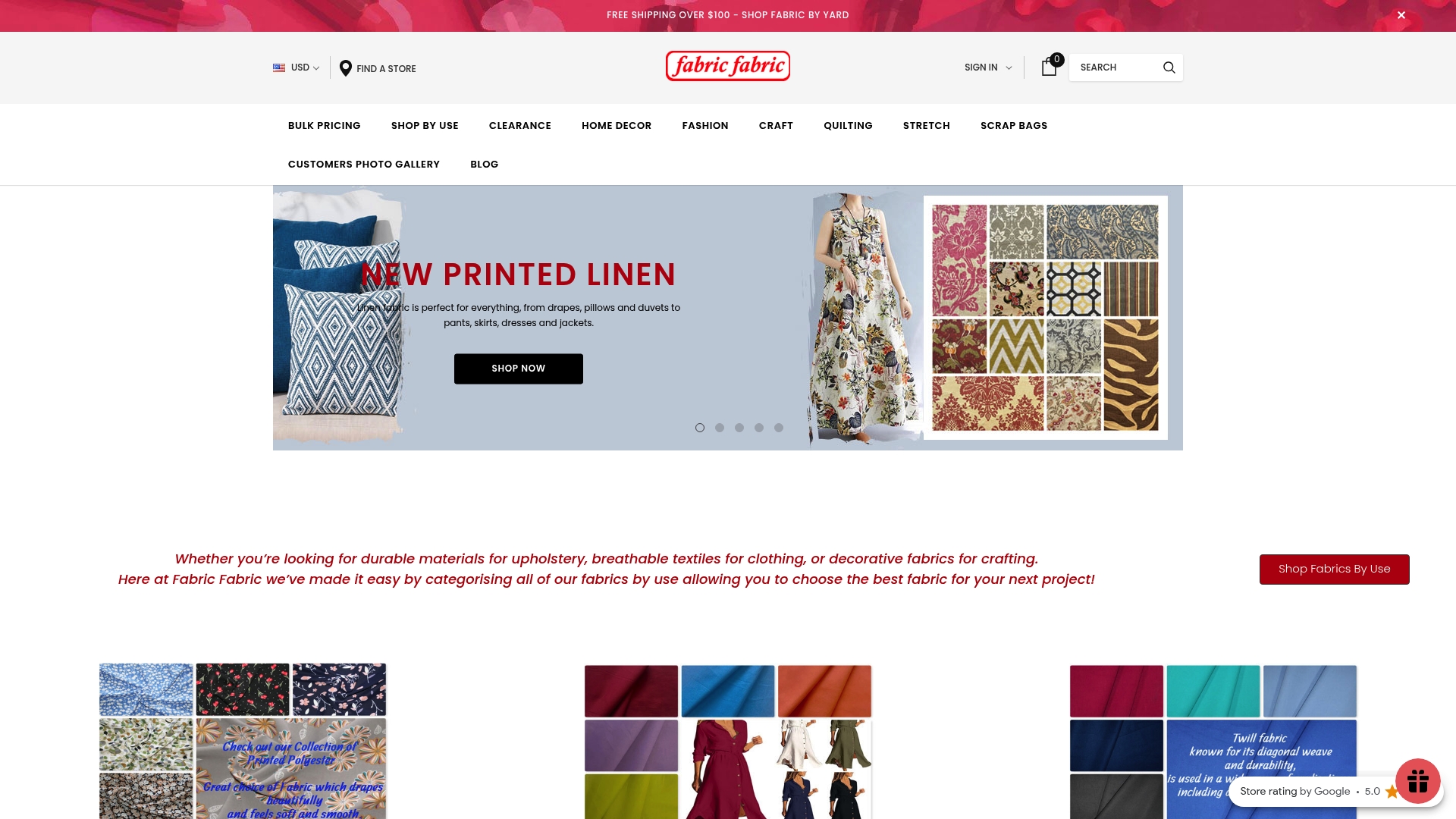
Order a paid swatch first if you’re between prints or unsure about hand and translucency. It costs far less than discovering the problem after cutting into three yards. Once you’ve settled on a print, head to the Backdrop Fabrics landing page to browse yardage options and lock in your fabric before starting your pattern.
Yes, for structured, casual garments like A-line skirts, boxy tops, and pajamas. It’s a poor match for anything needing drape or a close, fitted silhouette.
Absolutely. Prewash and soften the fabric first, choose a pattern designed around structure rather than drape, and add a lining anywhere the fabric touches skin directly.
It applies to quilt design, not to fabric selection for garment sewing.
Run it through two or three extra wash and dry cycles, add a vinegar rinse, or use dryer balls to mechanically break down the stiffness left over from finishing.
Because quilting cotton typically runs 44 to 45 inches wide versus 54 to 60 inches for many apparel fabrics, plan on roughly 10 to 20% more yardage than the pattern calls for.