

 US Dollar

How to Source Specialty Fabrics for Eco-Friendly Projects
Posted by BLG on 2026 Feb 14th
Posted by BLG on 2026 Feb 14th


Finding specialty fabrics for sustainable creation often feels like a puzzle for American quilters and fashion designers. Every material choice impacts both your project and the planet, making thoughtful selection and supplier research essential. This guide empowers you to navigate eco-friendly sourcing by defining project needs, comparing fabric options, and verifying certifications, ensuring your fabric aligns with environmental responsibility at every step.
| Key Takeaway | Explanation |
|---|---|
| 1. Define clear fabric requirements | Understand your project’s purpose, performance needs, and sustainability criteria to ensure the material selection supports your goals. |
| 2. Research reputable suppliers | Utilize trusted databases to find vendors with verified sustainability practices and prioritize transparency in production processes. |
| 3. Compare eco-friendly fabric options | Assess various fabrics based on origin, processing, durability, and cost, ensuring choices align with both environmental goals and budgets. |
| 4. Evaluate sustainability certifications | Systematically check certifications for environmental impact, chemical safety, and social responsibility to confirm material integrity. |
| 5. Confirm fabric authenticity | Review all documentation and validate certifications before ordering to ensure the fabric meets sustainability standards. |
Sourcing specialty fabrics for eco-friendly projects starts with crystal-clear requirements. Your fabric selection will determine the sustainability, performance, and overall success of your project.
Begin by thoroughly assessing your specific project needs through a comprehensive evaluation. Key considerations include understanding the biodiversity impacts of fiber sourcing to ensure environmental responsibility. When defining fabric requirements, focus on several critical dimensions:
The Textile Exchange Fiber and Materials Matrix provides an excellent framework for evaluating fabric sustainability. This resource helps brands explore material options while considering geographical production contexts and documented environmental performance.
Consider factors like water usage, chemical treatment, land impact, and carbon footprint when defining your fabric requirements. Each material choice represents a potential opportunity to support more sustainable textile production.
Sustainable fabric selection is not just about the material - it’s about understanding the entire ecological journey of your textile.
Pro tip: Keep a detailed sustainability scorecard to track and compare potential fabric options, weighing both environmental impact and project-specific performance needs.
Navigating the landscape of specialty fabric suppliers requires strategic research and a keen understanding of sustainable sourcing practices. Your goal is to identify vendors who not only meet your specific project requirements but also demonstrate genuine commitment to environmental responsibility.
Start by leveraging trusted resources like the certified company database from Textile Exchange, which provides comprehensive insights into suppliers with verified sustainability credentials. This platform allows you to assess potential vendors based on their environmental and social performance standards.
Consider these key strategies when researching fabric suppliers:
Additional research methods include consulting industry-specific resources like the Better Cotton Initiative supplier list, which offers insights into sustainable cotton production networks.
Effective supplier research goes beyond price - it’s about understanding the entire ecological and ethical journey of your textile materials.
Develop a systematic approach by creating a comparison matrix that tracks each potential supplier’s sustainability metrics, production capabilities, and alignment with your project’s specific requirements.
Pro tip: Create a detailed supplier evaluation spreadsheet with weighted scoring for sustainability, quality, cost, and environmental impact to streamline your selection process.
Choosing the right eco-friendly fabric requires a thoughtful balance between sustainability goals, project requirements, and budget constraints. Your comparison process should go beyond simple price tags and dive deep into the environmental impact and long-term value of each material.

Begin by exploring sustainable fabric rankings that provide comprehensive insights into environmental performance. Green America’s research highlights organic cotton and linen as top eco-friendly options, offering lower chemical use and reduced water demands compared to conventional textiles.
Key comparison factors for eco-friendly fabrics include:
Utilize resources like the Textile Exchange Fiber and Materials Matrix to understand the nuanced sustainability metrics that influence pricing and environmental performance.
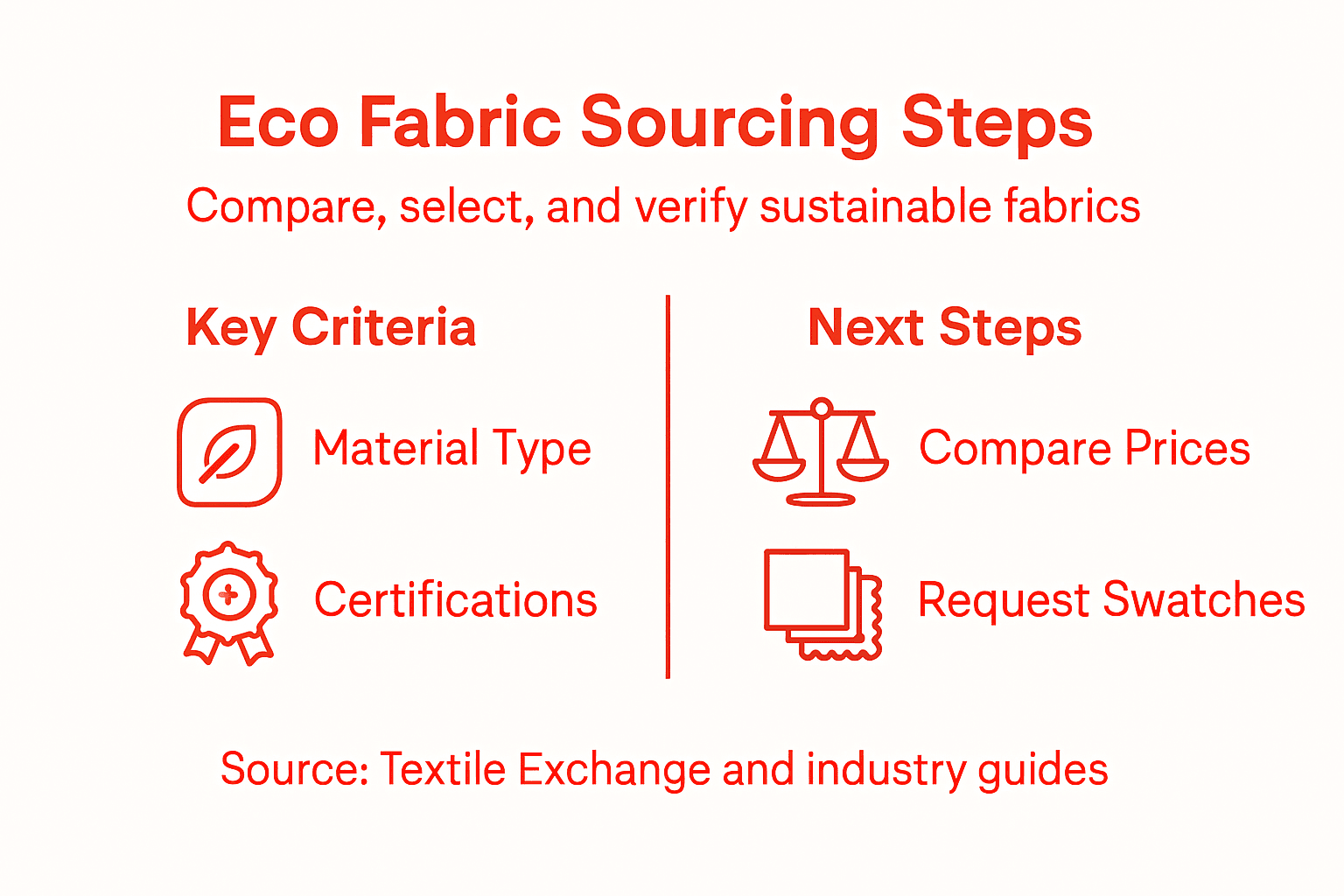
Here’s a summary comparison of common eco-friendly fabrics used in specialty projects:
| Fabric Type | Sustainability Advantages | Typical Applications |
|---|---|---|
| Organic Cotton | Low chemical use, renewable crop | Apparel, bedding |
| Linen | Minimal water requirement | Home textiles, clothing |
| Hemp | Rapid growth, low pesticide need | Durable goods, denim |
| Recycled Polyester | Diverts waste, lower emissions | Sportswear, accessories |
| TENCEL™ Lyocell | Closed-loop process, biodegradable | Activewear, dresses |
Sustainable fabric selection is an investment in both your project and the planet - look beyond the price tag to true ecological value.
Develop a comparative spreadsheet that tracks multiple sustainability indicators alongside pricing to make an informed decision that aligns with your project’s environmental and budgetary goals.
Pro tip: Request sample swatches from multiple suppliers to physically compare fabric quality, texture, and sustainability before making a final purchasing decision.
Sustainability certifications serve as critical indicators of a fabric’s environmental and ethical integrity. Your goal is to systematically assess these credentials to ensure your chosen materials truly align with genuine eco-friendly standards.
Start by exploring comprehensive certification assessment frameworks that provide standardized global evaluations of fabric sustainability. The Textile Exchange Fiber and Materials Matrix offers an invaluable tool for verifying the authenticity and depth of sustainability claims across different textile production contexts.
Key sustainability certification dimensions to evaluate include:
Refer to resources like sustainable textile certification guides to understand prominent certifications such as GOTS, Fair Trade, Global Recycled Standard, and SA8000.
The following table highlights key differences between popular sustainability certifications:
| Certification | Focus Area | Major Strength |
|---|---|---|
| GOTS | Organic textiles | Strict chemical limits |
| Global Recycled Std | Recycled content | Chain of custody |
| Fair Trade | Social criteria | Worker welfare focus |
| OEKO-TEX | Chemical safety | Harmful substance ban |
| SA8000 | Labor standards | Ethical workplace |
Not all certifications are created equal - dig deeper than surface-level marketing claims to understand the true sustainability of your fabric.
Develop a systematic scoring methodology that weights different certification aspects according to your project’s specific environmental and ethical priorities.
Pro tip: Create a detailed certification evaluation matrix that assigns numerical scores to different sustainability criteria, allowing for objective comparison across potential fabric suppliers.
The final stage of sourcing eco-friendly specialty fabrics involves strategic ordering and rigorous verification to ensure your materials meet the highest sustainability standards. Your goal is to transform careful research into a successful, authentic fabric procurement.
Begin by carefully reviewing textile labeling requirements that protect buyers and guarantee product transparency. These federal guidelines help you verify critical fabric information including fiber content, origin, and manufacturer details.
Key steps for authentic fabric ordering include:
Consult resources like the Global Organic Textile Standard database to confirm supplier credentials and trace your fabric’s entire sustainability journey.
Authenticity is more than a label - it’s a commitment to transparent, responsible manufacturing.
Develop a systematic checklist that covers every aspect of fabric verification, ensuring no critical authentication step is overlooked.
Pro tip: Request comprehensive documentation including mill certificates, sustainability audit reports, and detailed fiber origin statements to build a complete authenticity profile for your fabric order.
Navigating the challenge of sourcing truly eco-friendly specialty fabrics means balancing environmental impact and quality. If your goal is to find materials that meet strict sustainability criteria while delivering excellent performance, exploring high-quality options is essential. At fabric-fabric.com, we understand the importance of transparency and authenticity in fabric sourcing. Our curated collection in the fashion category offers responsibly sourced fabrics including delicate French Lace and luxurious Raw Silk materials, all described with clear details to help you make informed decisions.
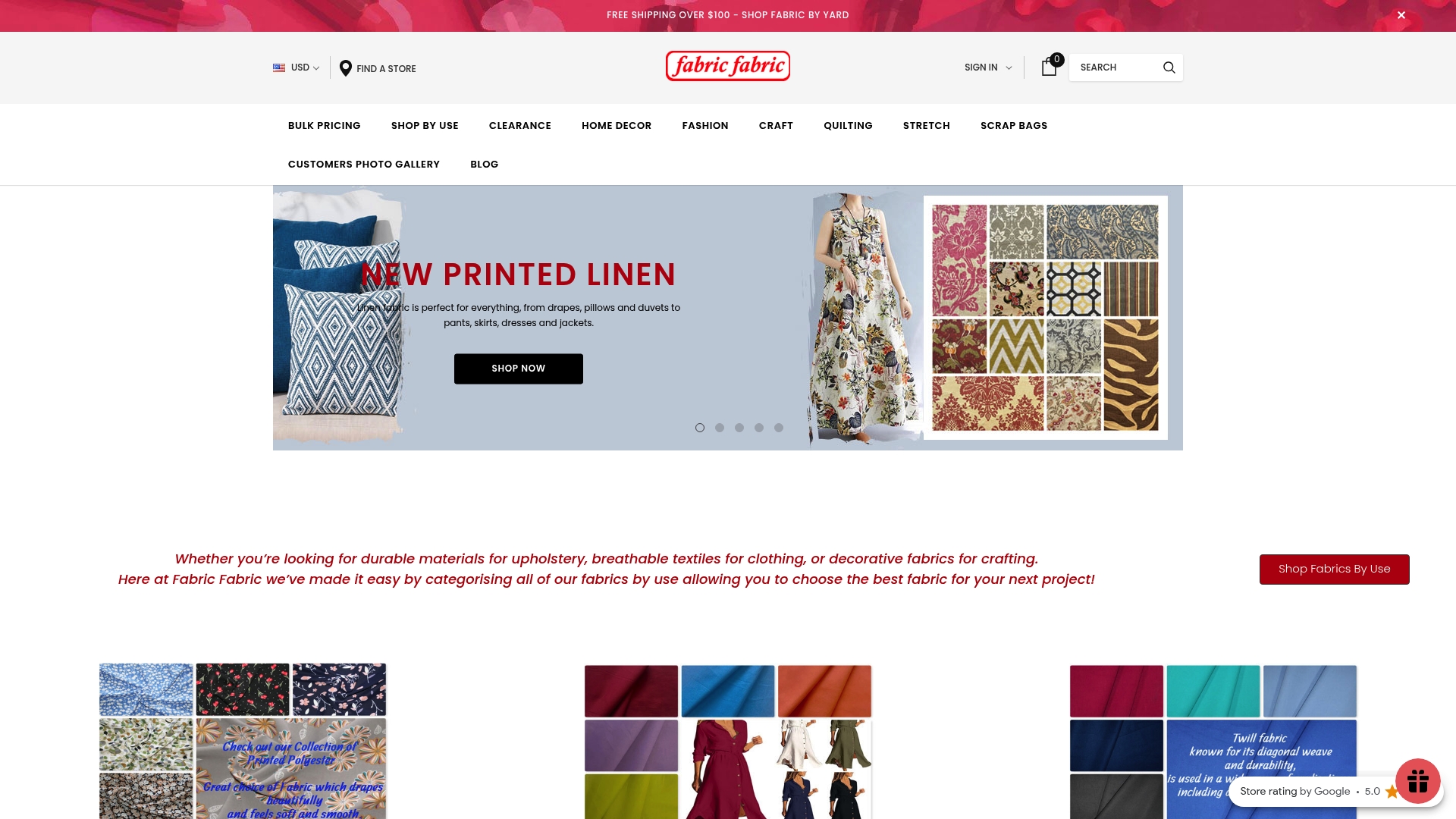
Start your sustainable fabric journey with confidence by browsing our selection today. Find eco-conscious textiles that align with your sustainability certifications and project demands. Act now to secure the best materials because every yard you choose supports a greener future. Visit fabric-fabric.com to find your perfect eco-friendly fabric match and bring your creative vision to life with integrity.
Start by assessing your specific project needs, including its purpose, performance needs, environmental standards, and sustainability criteria. Create a checklist to ensure all necessary dimensions are evaluated before making your fabric choice.
Focus on suppliers with recognized sustainability certifications, transparency in their production practices, and geographic sourcing. Compile a list of potential vendors and create a comparison matrix to track their sustainability metrics and alignment with your project requirements.
Use criteria such as material origin, water consumption, and chemical processing when comparing fabrics. Develop a comparative spreadsheet with these factors along with pricing to help you make an informed decision.
Look for certifications that assess environmental impact, chemical safety, and social responsibility, such as GOTS or Fair Trade. Create a certification evaluation matrix that scores these aspects based on your project’s priorities.
Verify authenticity by reviewing all certification documentation and cross-checking sustainability logos. Create a systematic checklist to cover each aspect of fabric verification before finalizing your purchase.