

 US Dollar

10 Essential Home Decor Fabric Types You Should Know
Posted by BLG on 2025 Sep 13th
Posted by BLG on 2025 Sep 13th

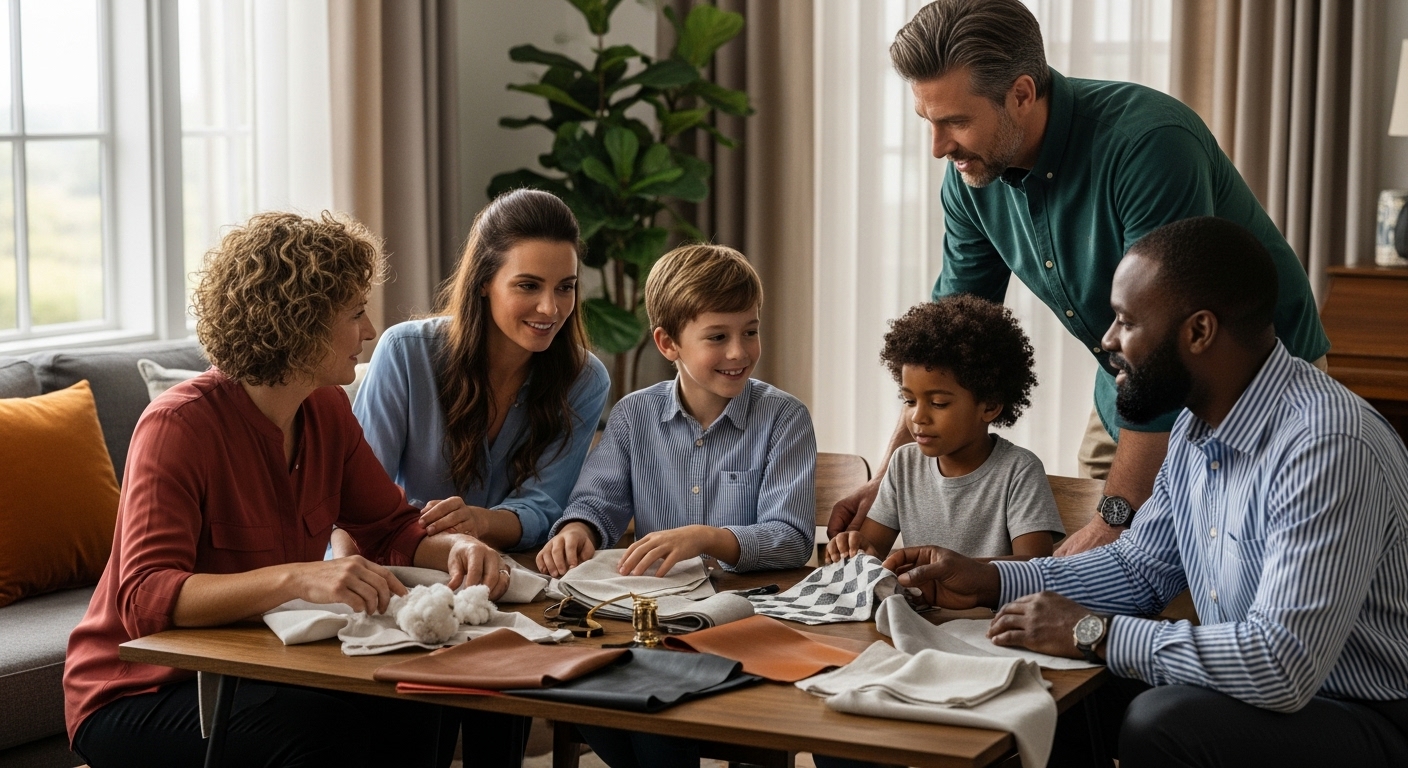
Home decor fabric types can completely change the look and feel of a room. Some fabrics are so durable they can handle years of daily use while others offer a softness or luxury you can actually feel. Most people focus on color or style when choosing fabrics but the real secret lies in understanding the fabric itself. Picking the right one does not just make your space look better. It makes your whole home easier to live in.
| Takeaway | Explanation |
|---|---|
| Choose fabrics based on durability. | Opt for strong fabrics like canvas or polyester for high-traffic areas to ensure longevity. |
| Consider maintenance requirements. | Fabrics like cotton and polyester are easy to care for, making them suitable for busy households. |
| Match fabric properties with usage. | Assess the specific needs of each room, such as softness in bedrooms and resilience in living areas. |
| Prioritize personal style in choices. | Select fabrics that resonate with your taste to create a personalized and enjoyable living space. |
| Experiment with texture and color. | Use various fabric textures and colors to enhance the visual interest and comfort of your home decor. |
Selecting the right fabric can transform your living space from ordinary to extraordinary. Home decor fabric types play a crucial role in defining the aesthetic, comfort, and functionality of interior spaces. Whether you are designing a cozy living room, updating bedroom curtains, or creating custom throw pillows, understanding different fabric characteristics is essential for making informed design decisions.
Fabric selection goes beyond mere visual appeal. Each home decor fabric type brings unique properties that impact durability, texture, maintenance, and overall performance. From natural fibers like cotton and linen to synthetic materials such as polyester and microfiber, the world of home decor fabrics is diverse and complex.
When exploring home decor fabric types, consider these key factors:
According to American Textile History Museum, fabric selection has been a critical aspect of interior design for centuries. The right fabric can dramatically alter a room’s atmosphere, providing warmth, sophistication, or a casual, relaxed vibe.
This comprehensive guide will walk you through ten essential home decor fabric types, helping you make informed choices that reflect your personal style and meet your practical needs. Whether you are a seasoned interior designer or a DIY enthusiast, understanding these fabric types will elevate your home decor projects.
Cotton stands out as a quintessential home decor fabric, offering exceptional versatility and practicality for interior design enthusiasts. This natural fiber has been a staple in home textiles for generations, prized for its remarkable combination of comfort, durability, and aesthetic appeal. From crisp curtains to cozy throw pillows, cotton provides designers and homeowners with a reliable and adaptable material.
The inherent qualities of cotton make it an ideal choice for various home decor applications. Breathability and softness are among its most celebrated characteristics, allowing fabrics to feel comfortable in multiple settings and climates. Cotton absorbs moisture effectively, preventing that uncomfortable sticky feeling often associated with synthetic materials.
When considering cotton for home decor, keep these critical attributes in mind:
Cotton’s maintenance is straightforward, which adds to its popularity. Most cotton fabrics can be machine washed, dried, and require minimal special care. This practical aspect makes it an excellent choice for high-traffic areas and frequently used home textiles.
According to Iowa State University’s textile research, cotton’s versatility extends beyond basic functionality. Its natural fibers can be woven into various textures, from lightweight muslin to heavy canvas, enabling designers to create diverse aesthetic experiences within a single fabric type.
Whether you are crafting elegant drapes, designing comfortable upholstery, or creating decorative accents, cotton offers a reliable and attractive solution for home decor needs. Its timeless appeal and practical benefits continue to make it a top choice among interior design professionals and home decorators alike.
Linen represents one of the most extraordinary natural fabrics in home decor, offering a unique blend of elegance, functionality, and sustainability. Derived from the flax plant, this remarkable textile brings a sophisticated touch to interior spaces while providing exceptional performance characteristics that set it apart from other home decor fabric types.
The inherent properties of linen make it a premier choice for discerning homeowners and interior designers. Breathability stands out as its most celebrated attribute, allowing air circulation that keeps spaces feeling fresh and comfortable. Unlike synthetic materials, linen naturally regulates temperature, making it ideal for various home environments.
Key advantages of linen in home decor include:
Linen’s unique texture adds visual and tactile interest to home decor elements. Its slightly irregular weave creates a sophisticated, relaxed aesthetic that works beautifully in both modern and traditional interior designs. The fabric develops a soft patina over time, becoming more attractive with each use.
According to American Textile History Museum, linen’s production process is environmentally friendly. The flax plant requires minimal water and grows without extensive pesticide use, making it a sustainable textile choice for environmentally conscious consumers.
From crisp curtains to elegant throw pillows and refined upholstery, linen transforms living spaces with its natural charm. Its ability to blend functionality with aesthetic appeal makes it a timeless choice for home decor enthusiasts seeking both style and substance. Whether used in minimalist apartments or rustic country homes, linen brings a touch of understated luxury to interior design.
Polyester has revolutionized home decor fabrics with its exceptional performance and practical characteristics. This synthetic fabric has become a cornerstone of modern interior design, offering unparalleled durability and maintenance ease that makes it attractive for busy households and high-traffic areas.
The remarkable stain resistance of polyester sets it apart from many natural fibers. Its synthetic composition creates a protective barrier that repels liquids and prevents immediate absorption, making it an ideal choice for households with children, pets, or frequent entertaining. This inherent resistance means spills can often be wiped away without leaving permanent marks.
Key advantages of polyester in home decor include:
Polyester’s versatility allows it to mimic the appearance of more expensive natural fabrics while providing superior performance. Manufacturers can create polyester fabrics that range from lightweight and silky to heavy and textured, making it suitable for curtains, upholstery, throw pillows, and decorative accents.
According to Pigment & Resin Technology, advanced treatments can further enhance polyester’s already impressive properties. Innovations like nanoparticle treatments can improve antibacterial performance and moisture management, expanding the fabric’s potential applications in home decor.
For homeowners seeking a practical, low-maintenance fabric that combines style with functionality, polyester offers an unbeatable solution. Its ability to withstand daily wear, resist stains, and maintain its appearance makes it a smart choice for contemporary interior design.
Velvet stands as the pinnacle of luxurious home decor fabrics, offering an unparalleled sensory experience that transforms interior spaces with its rich texture and sophisticated appearance. This unique fabric distinguishes itself through its dense, plush surface that captures light in mesmerizing ways, creating depth and visual intrigue in any room.
The hallmark of velvet is its exceptional softness and remarkable ability to add instant elegance to furniture and decorative elements. Its distinctive pile creates a three-dimensional surface that reflects light differently from various angles, producing a dynamic visual effect that elevates the aesthetic of any interior design.
Key considerations when selecting velvet for home decor include:
Velvet’s versatility allows it to transcend design styles, working beautifully in both contemporary and traditional settings. From sleek modern sofas to classic armchairs, this fabric brings a touch of sophistication that few other materials can match. Its ability to absorb and reflect light creates visual drama and depth in interior spaces.
According to the Museum of Fine Arts, Boston, velvet can be crafted from various fibers including silk, wool, cotton, and synthetic materials. This diversity means homeowners can find velvet options that suit different budgets and performance requirements.
While often associated with luxury, modern velvet fabrics offer practical benefits beyond their stunning appearance. Advances in textile technology have made velvet more durable, stain-resistant, and easier to maintain, making it an increasingly popular choice for those seeking both beauty and functionality in home decor.
Wool emerges as a quintessential home decor fabric that brings unparalleled warmth, comfort, and natural elegance to interior spaces. This remarkable natural fiber has been cherished for centuries, offering exceptional thermal regulation and a rich, inviting texture that transforms living environments into cozy sanctuaries.
The extraordinary insulating properties of wool set it apart from other home decor fabrics. Its unique molecular structure allows it to trap air molecules, creating a natural barrier that keeps spaces warm in winter and cool in summer. This remarkable characteristic makes wool an intelligent choice for homeowners seeking both comfort and energy efficiency.
Key advantages of wool in home decor include:
Wool’s versatility extends beyond its thermal properties. The fabric can be woven into various textures, from lightweight throws to heavy upholstery, allowing designers and homeowners to create diverse aesthetic experiences. Its natural crimp and elasticity ensure that wool fabrics maintain their shape and appearance over time, resisting wrinkles and wear.
According to Encyclopeadia Britannica, wool fibers possess inherent resilience that makes them ideal for high-use home decor applications. From area rugs and blankets to decorative pillows and upholstery, wool brings a touch of natural luxury to any interior setting.
Beyond its functional benefits, wool offers an organic, timeless aesthetic that complements multiple design styles. Whether incorporated into minimalist modern spaces or traditional rustic interiors, wool fabrics create a sense of warmth and sophistication that synthetic materials cannot replicate.
Faux leather has emerged as a revolutionary home decor fabric, offering an ethical, affordable alternative to traditional leather that combines style, practicality, and environmental consciousness. This synthetic material provides the luxurious appearance of genuine leather without the associated cost, maintenance challenges, or animal welfare concerns.
The versatility of faux leather allows designers and homeowners to achieve sophisticated looks across multiple interior design styles. From sleek modern furniture to vintage-inspired accent pieces, this fabric adapts seamlessly to diverse aesthetic preferences while maintaining a consistent, high-end appearance.
Key considerations when selecting faux leather include:
Modern manufacturing techniques have dramatically improved faux leather’s quality, creating materials that closely mimic the texture, sheen, and feel of genuine leather. Technological advancements have enabled producers to develop increasingly sophisticated synthetic fabrics that offer enhanced performance and visual appeal.
According to Global Growth Insights, approximately 57% of consumers now choose faux leather furniture to align with ethical lifestyle choices. This trend reflects a growing awareness of sustainability and animal welfare in home decor selections.
Faux leather’s practical benefits extend beyond its aesthetic appeal. It requires minimal maintenance, resists staining, and can withstand frequent use in high-traffic areas. For budget-conscious homeowners seeking style and functionality, faux leather represents an intelligent fabric choice that combines contemporary design with practical performance.
Canvas represents the ultimate home decor fabric for durability and functionality, offering unparalleled strength that makes it ideal for high-traffic areas and demanding interior design applications. This heavyweight textile has a rich history of versatility, transforming from maritime and industrial uses to becoming a sophisticated home decor material that combines rugged performance with aesthetic appeal.
The exceptional durability of canvas sets it apart from more delicate fabrics. Its tight, dense weave creates a robust material that can withstand significant wear and tear, making it perfect for furniture, curtains, throw pillows, and decorative accents in homes with active families, pets, or frequent entertaining.
Key characteristics of canvas in home decor include:
Canvas fabrics can be crafted from various fibers, including cotton, linen, and synthetic blends, allowing designers and homeowners to select options that best match their specific aesthetic and functional requirements. Its natural texture provides a relaxed, organic feel that works beautifully in contemporary, rustic, and industrial-inspired interiors.
Originally used for sailing ships and painter’s backdrops, canvas has evolved into a sophisticated home decor material that balances practicality with visual interest. The fabric’s ability to hold rich, deep colors and intricate prints makes it an excellent choice for creating statement pieces that are both beautiful and incredibly functional.
Whether used for heavy-duty upholstery, durable window treatments, or decorative accessories, canvas offers homeowners a reliable fabric that combines strength, style, and versatility. Its enduring popularity stems from its ability to look great while standing up to the rigors of daily life.
Silk represents the pinnacle of luxury in home decor fabrics, offering an unparalleled combination of sophistication, delicate beauty, and refined texture. This extraordinary natural fiber has been prized for centuries, transforming interior spaces with its luminous sheen and extraordinary draping qualities that elevate even the most modest design elements.
The exceptional characteristics of silk make it a standout choice for discerning homeowners seeking to introduce an element of elegance into their living spaces. Its unique molecular structure allows the fabric to reflect light in a way that creates a soft, almost ethereal glow, bringing depth and dimension to drapes, throw pillows, and decorative accents.
Key considerations when incorporating silk into home decor include:
Silk’s versatility allows it to seamlessly transition between design styles, from minimalist modern interiors to traditional, ornate spaces. Whether used as gossamer-light curtains or sumptuous throw pillows, silk adds an instant touch of refinement that few other fabrics can achieve.
According to the Museum of Fine Arts, silk has been a coveted textile throughout human history, valued for its unique properties and exquisite appearance. Its natural proteins create a fabric that is simultaneously strong and delicate, soft yet resilient.
While silk requires more careful maintenance compared to other home decor fabrics, its ability to transform a space makes it a cherished choice for those seeking to create truly memorable interior environments. From subtle accent pieces to dramatic drapery, silk brings an unmatched level of sophistication to home decor.
Selecting the perfect fabric is a critical decision that can make or break your home decor project. Understanding how to match fabric characteristics with specific design requirements ensures both aesthetic success and long-term functionality. The process involves careful consideration of multiple factors that go beyond simple visual appeal.
Fabric selection requires a strategic approach that balances aesthetic desires with practical considerations. Each room and project demands unique textile properties, making it essential to evaluate performance characteristics before making a final choice.
Critical factors to consider when choosing home decor fabrics include:
Consider the specific demands of different spaces. High-traffic areas like living rooms require more durable fabrics with tight weaves and stain-resistant properties. Bedroom spaces might prioritize soft, luxurious textures that provide comfort and visual warmth.
According to New Mexico State University, tightly woven fabrics like corduroy, denim, and tapestry are excellent choices for areas experiencing significant use. These materials offer superior durability and can withstand frequent interaction without compromising aesthetic quality.
Beyond technical considerations, trust your personal design intuition. While guidelines are important, the most successful home decor projects reflect individual style and create spaces that feel authentically yours. Take fabric samples home, observe them in your specific lighting, and imagine how they will interact with existing furniture and design elements. Ultimately, the right fabric should not only perform well but also bring you joy every time you experience it.
Below is a comprehensive table summarizing the key characteristics, benefits, and applications of the 10 essential home decor fabric types discussed in the article.
| Fabric Type | Core Qualities | Main Benefits | Typical Uses |
|---|---|---|---|
| Cotton | Natural, breathable, hypoallergenic | Easy to care for, durable, soft, keeps colors well | Curtains, upholstery, pillows, bedding |
| Linen | Natural, breathable, antimicrobial | Sustainable, moisture-wicking, very strong | Curtains, pillows, upholstery |
| Polyester | Synthetic, stain and wrinkle resistant | Extremely durable, retains color, low maintenance | High-traffic upholstery, curtains, accents |
| Velvet | Plush, soft, light-reflecting pile | Luxurious look, color-rich, adds depth and texture | Upholstery, decorative pillows, drapes |
| Wool | Natural, insulating, moisture wicking | Warm, resilient, fire resistant, keeps shape | Rugs, blankets, upholstery, pillows |
| Faux Leather | Synthetic leather-like surface | Affordable, ethical, easy to clean, durable | Sofas, chairs, accent furniture |
| Canvas | Heavyweight, tightly woven | Very durable, versatile, easy to clean | Furniture, curtains, heavy-use areas |
| Silk | Natural, luminous, delicate | Elegant, soft, great draping, temperature regulating | Drapes, accents, luxury pillows |
| Key Tips | Assess location, maintenance, and style needs | Match fabric to use and style, consider durability | All home decor projects |
| Takeaway | The right fabric enhances both look and function | Balances style, comfort, and practicality | Elevates overall home experience |
Are you feeling overwhelmed by the variety of home decor fabric types and wondering which material will truly suit your space? After learning how durability, texture, and maintenance shape your home’s atmosphere, it’s natural to want a fabric that meets both your design vision and practical needs. When you face so many choices, from velvet and linen to polyester and wool, making the right decision can be challenging. That’s where having a reliable source for expert guidance and a wide selection of quality materials makes all the difference.
Transform your inspiration into reality by browsing our curated selection at fabric-fabric.com. Here you’ll discover clear product descriptions, use suggestions, and helpful search tools to find exactly what you need for upholstery, drapery, and decorative accents. Ready to experience effortless shopping and elevate your home? Visit our main site now and unlock exclusive discounts on the essential fabrics you’ve just read about.
The most common types of home decor fabrics include cotton, linen, polyester, velvet, wool, faux leather, canvas, silk, and more. Each type has unique characteristics that contribute to its suitability for various decor projects.
When choosing fabric for upholstery, consider factors such as durability, maintenance requirements, and texture. Select tightly woven fabrics for high-traffic areas and softer materials for more relaxed spaces.
Natural fibers like cotton and linen offer breathability, softness, and hypoallergenic properties. They also tend to be more sustainable and environmentally friendly, making them excellent choices for home decor.
Polyester is highly durable, stain-resistant, and easier to maintain compared to natural fabrics like wool and silk, which may require more delicate care. However, natural fabrics often offer a more luxurious feel and unique aesthetic appeal.