

 US Dollar

7 Inspiring Home Decor Fabric Ideas for Every Style
Posted by BLG on 2025 Sep 17th
Posted by BLG on 2025 Sep 17th

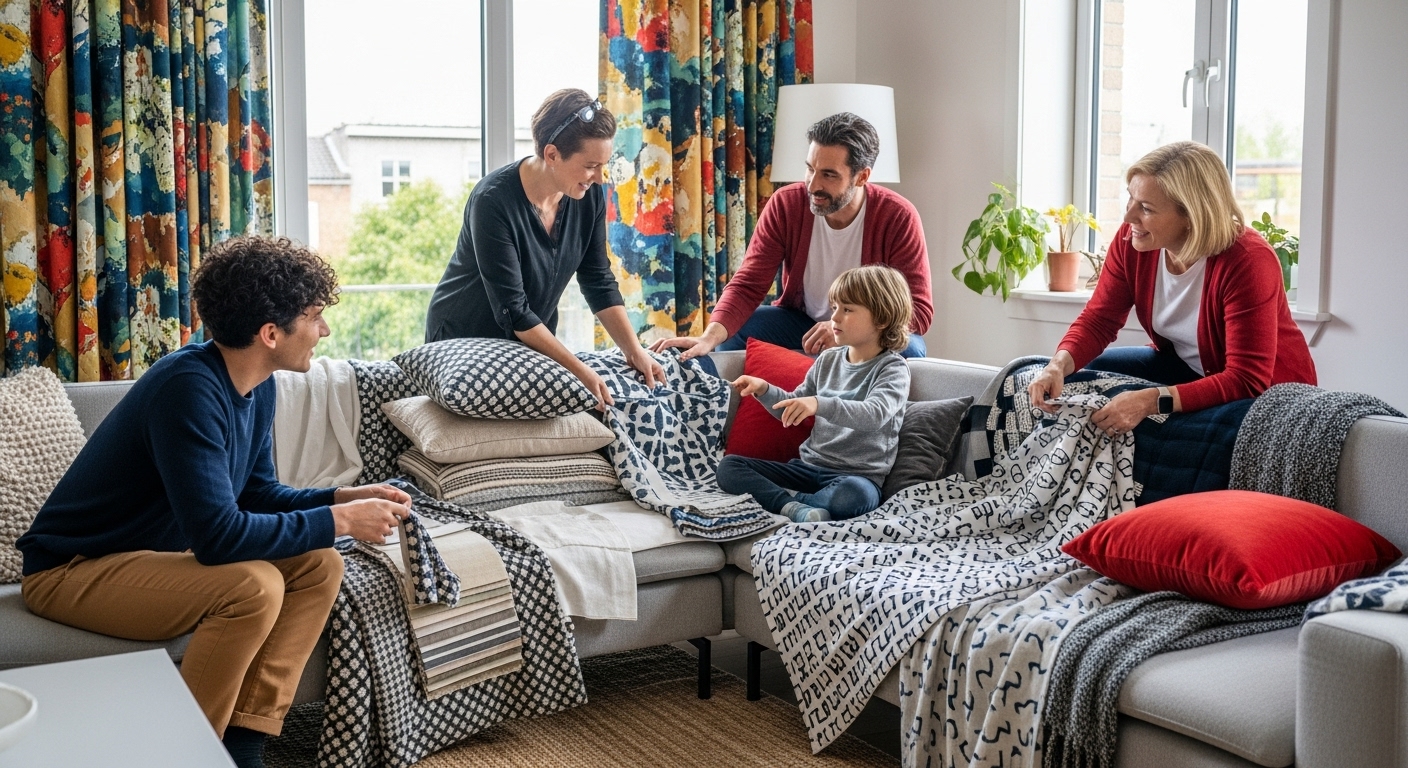
Home decor fabric is more than a backdrop for your furniture. The right choice can completely transform how a room feels and functions. Surprisingly, choosing a single wrong material can shorten the lifespan of your furniture by up to 50 percent. Most people focus only on color or pattern, but the real magic happens when you play with texture, durability, and even seasonal swaps. This is where fabric turns from a simple detail into the secret engine of style in your home.
| Takeaway | Explanation |
|---|---|
| Choose fabric based on room function. | Ensure that the fabric aligns with the purpose of the room for practicality and style. |
| Mix textures for visual interest. | Combine smooth and rough materials to create depth and sophistication in your decor. |
| Use bold prints strategically. | Select and place bold prints to create focal points without overwhelming the space. |
| Incorporate vintage fabrics for uniqueness. | Vintage textiles offer character and connect modern spaces to historical design narratives. |
| Rotate fabrics seasonally for freshness. | Change textiles with the seasons to refresh your decor and adapt to changing moods. |
Selecting the perfect home decor fabric is more than just picking a color or pattern. It is about creating harmony between your personal style, existing interior design, and the functional requirements of each space. Understanding how different fabrics interact with your decor theme can transform an ordinary room into an extraordinary living environment.
When exploring home decor fabric ideas, consider these strategic selection criteria:
Fabric selection requires careful consideration of both aesthetic and practical elements. Certain materials work better in specific rooms based on their inherent characteristics. For instance, silk might look luxurious in a formal living room but would quickly deteriorate in a high-traffic area like a family room.
Your home decor fabric should also reflect the room’s purpose. A cozy reading nook might benefit from soft, plush velvet upholstery, while a minimalist home office could feature crisp, structured cotton or linen. Interior design experts recommend focusing on the room’s functional needs before making a final selection.
Texture plays a crucial role in creating depth and visual complexity. Mixing different fabric textures can add sophistication to your decor. Consider combining smooth leather with nubby wool throws, or pairing sleek silk curtains with rough-woven accent pillows. This layering technique introduces visual intrigue and prevents spaces from feeling flat or monotonous.
Remember that fabric selection is an opportunity to express your unique style while maintaining practical considerations. Take time to explore different materials, touch fabric samples, and visualize how they will interact with your existing decor elements.
Creating visual interest in home decor requires thoughtful fabric combinations that engage the senses and elevate your interior design. Mixing and matching fabrics is an art form that transforms ordinary spaces into extraordinary environments by introducing depth, contrast, and personality.
When approaching fabric selection, consider these strategic principles:
Successful fabric mixing demands an understanding of visual balance. Proportion is key when blending different textiles. For example, if you have a bold, large-scale floral print on your curtains, balance it with smaller geometric patterns on throw pillows or understated solid colors on upholstery.
Interior design professionals recommend creating a harmonious fabric landscape by using a consistent color palette. This approach allows you to experiment with different textures and patterns while maintaining a cohesive look. Think of your fabric selection as a visual symphony where each piece contributes to the overall composition.
Consider the room’s lighting and natural characteristics when selecting fabric combinations. Lighter fabrics can make a space feel more open and airy, while heavier textures add warmth and intimacy. Silk might provide a luxurious sheen in a formal dining room, while robust cotton or linen works perfectly in a casual family space.
Don’t be afraid to introduce unexpected fabric pairings. Combining a sleek leather armchair with a chunky knit throw or pairing smooth velvet curtains with rough-woven area rugs can create dynamic visual tension. The goal is to craft a space that feels intentional yet organic, telling a story through your textile choices.
Remember that fabric mixing is a personal journey. Trust your instincts, experiment boldly, and allow your unique style to shine through your textile selections.
Bold prints are the secret weapon of transformative home decor, capable of injecting personality and energy into any living space. These dramatic fabric designs go beyond mere decoration, serving as powerful visual statements that communicate style, mood, and individual creativity.
When incorporating bold prints, consider these strategic guidelines:
Geometric patterns, abstract designs, and oversized botanical prints can dramatically reshape a room’s visual narrative. These bold fabric choices work exceptionally well as accent pieces like throw pillows, area rugs, or statement curtains. The key is balance preventing visual overwhelm while maintaining design excitement.
Research indicates that visual complexity in domestic environments can positively influence mood and stimulate creativity. Bold prints are not just aesthetic choices but psychological tools that can transform how we experience interior spaces.
Understand the psychological impact of different print styles. Organic, flowing patterns might create a sense of calm and movement, while sharp geometric prints can introduce a sense of structure and modernity. Tropical prints might evoke vacation vibes, whereas monochromatic abstract designs could suggest sophistication and minimalism.
Consider the room’s existing color palette when selecting bold prints. A neutral background allows vibrant patterns to shine without creating visual chaos. In a predominantly white or beige room, a single bold printed fabric element can become a stunning focal point that draws the eye and sparks conversation.
Remember that confidence is crucial when working with bold prints. Trust your design instincts, experiment fearlessly, and allow your unique style to emerge through these powerful textile choices.
Vintage fabrics are more than decorative elements they are storytellers that connect contemporary spaces with rich historical narratives. These textiles carry emotional depth and craftsmanship that modern mass produced materials simply cannot replicate.
When exploring vintage fabric integration, consider these essential strategies:
Vintage fabrics offer unique opportunities to introduce character and sophistication into home decor. Whether you are drawn to delicate Victorian lace, midcentury modern geometric prints, or rustic farmhouse textiles, each fabric tells a distinct story about design history.
Historical textile experts recommend carefully balancing vintage pieces with contemporary elements. A single antique throw pillow can transform a modern sofa, while a vintage area rug can anchor an otherwise minimalist room.
Consider the provenance and condition of vintage fabrics. Some collectors seek pristine museum quality pieces, while others appreciate textiles with visible signs of age and use. Imperfections often enhance vintage fabric charm, telling stories of previous owners and historical contexts.
Color palette plays a crucial role in successful vintage fabric integration. Neutral backgrounds allow intricate vintage patterns to shine, while complementary color schemes create visual harmony. Mix vintage textiles with contemporary furniture to create an eclectic, curated aesthetic that feels both timeless and personal.
Remember that incorporating vintage fabrics is an art form. Trust your aesthetic instincts, research fabric histories, and allow these remarkable textiles to breathe life and personality into your living spaces.
Sustainable home decor fabrics represent a powerful intersection of environmental responsibility and design innovation. By choosing eco-friendly materials, homeowners can create beautiful spaces while reducing their environmental footprint and supporting responsible manufacturing practices.
Consider these key sustainable fabric options:
Eco-friendly materials are not just a trend but a meaningful approach to interior design. These fabrics offer unique textures, durability, and aesthetic appeal while minimizing environmental impact. From organic wool throws to recycled polyester upholstery, sustainable options have evolved dramatically in recent years.
Research from Stony Brook University highlights multiple sustainable materials suitable for home decor, including wool, bamboo, organic cotton, and hemp. These materials provide not just environmental benefits but also exceptional quality and visual interest.
Understand the environmental impact of your fabric choices. Organic cotton, for example, uses significantly less water and eliminates harmful pesticides compared to conventional cotton production. Recycled polyester reduces plastic waste while creating durable, easy to clean fabrics perfect for high traffic areas.
Color and texture remain crucial even in sustainable fabric selection. Modern eco-friendly materials come in sophisticated palettes and intricate weaves that rival traditional textiles. Bamboo fabrics offer silky smoothness, while hemp provides robust, textured surfaces that add depth to interior designs.
Remember that sustainable fabric choices are an investment in both your home’s aesthetic and the planet’s future. Embrace materials that reflect your commitment to responsible design and personal style.
Fabric layering is an artful technique that transforms interior spaces from flat and lifeless to rich and inviting. By strategically combining different textiles, you can create visual complexity, enhance comfort, and introduce dynamic sensory experiences within your home decor.
Consider these strategic fabric layering principles:
Fabric layering goes beyond visual aesthetics it serves functional purposes like temperature regulation and acoustic softening. A well designed textile arrangement can make rooms feel more intimate, comfortable, and visually compelling.
Research from Rutgers Cooperative Extension highlights the practical benefits of textile layering, noting that strategic fabric placement can help conserve energy and improve indoor temperature management.
Start with a neutral base layer, such as a solid colored sofa or curtains, then introduce visual interest through additional textiles. A chunky knit throw draped over a leather armchair, or embroidered pillows on a linen couch, can create stunning depth and texture.
Consider the room’s existing color palette and architectural elements when selecting layers. Lighter fabrics create an airy feel, while heavier textiles introduce warmth and grounding. Silk curtains paired with wool area rugs can create a sophisticated interplay of textures that feels both intentional and organic.
Remember that successful fabric layering is about balance and personal expression. Experiment with different combinations, trust your design instincts, and allow your unique style to emerge through thoughtful textile selections.
Seasonal fabric swaps are a dynamic strategy for keeping your home decor fresh, vibrant, and responsive to changing environmental and emotional landscapes. By thoughtfully rotating textiles throughout the year, you can transform living spaces without major renovations or significant financial investment.
Consider these strategic seasonal fabric transition guidelines:
Seasonal fabric updates are more than aesthetic choices they represent a responsive approach to interior design that connects your living space with natural rhythms. Light linen throws for summer can give way to rich velvet cushions in winter, creating an environment that feels simultaneously familiar and exciting.
Interior design experts recommend making simple decorating changes that reflect the seasonal atmosphere without overwhelming your existing decor. Think of fabric swaps as wardrobe changes for your home creating subtle yet impactful transformations.
Spring might call for pastel cotton throws and lightweight botanical print curtains, while autumn demands deeper tones like rust, forest green, and burgundy in wool and flannel materials. Winter fabrics should prioritize warmth and comfort, incorporating thick knitted blankets and plush textures that invite relaxation.
Consider storage solutions for off season fabrics. Vacuum sealed bags or cedar lined storage containers can protect delicate textiles from moisture, dust, and potential insect damage. Proper care ensures your seasonal fabric collection remains fresh and ready for its next moment in the spotlight.
Remember that seasonal fabric swaps are an opportunity for creative expression. Trust your instincts, experiment with unexpected combinations, and allow your living spaces to tell a dynamic, ever changing story.
This table summarizes the main fabric strategies, benefits, and practical approaches discussed throughout the article, providing a comprehensive guide to inspire and implement home decor fabric ideas for any style.
| Home Decor Fabric Idea | Key Elements and Steps | Benefits and Outcomes |
|---|---|---|
| Choose the Right Fabric for Your Decor Theme | Match fabric with room function, assess durability, texture, and color compatibility | Enhanced harmony, style longevity, and functional design |
| Mix and Match Fabrics for Unique Textures | Combine different textures, scales, and colors for visual interest | Visual depth, personalized aesthetics, layered sophistication |
| Use Bold Prints to Make a Statement | Select vibrant prints, consider room size and color scheme, use strategically for focal points | Energizes space, creates conversation starters, expresses creativity |
| Incorporate Vintage Fabrics for a Timeless Look | Source authentic or quality reproductions, balance condition and contemporary elements | Unique character, connection to design history, curated sophistication |
| Experiment with Sustainable and Eco-Friendly Materials | Choose organic, recycled, or low impact fabrics, assess environmental footprint | Eco-conscious style, improved durability, modern design innovation |
| Layer Fabrics for Depth and Warmth | Blend smooth and textured fabrics, balance colors and weights, start with neutral base | Richness, comfort, improved insulation and atmosphere |
| Update Your Space with Seasonal Fabric Swaps | Rotate textiles by season, change colors and textures, store off-season fabrics properly | Easy refreshes, responsive decor, mood adaptation throughout the year |
Are you struggling to find home decor fabrics that truly capture your vision? Whether you want to layer textures, experiment with bold prints, or embrace sustainable materials, it is tough knowing where to start and how to get the right quality for your needs. The article “7 Inspiring Home Decor Fabric Ideas for Every Style” uncovers how the right fabric can elevate your space with color, comfort, and personality. Now turn those ideas into reality with a curated fabric selection designed for every decorating goal.
Visit fabric-fabric.com to explore an unmatched variety of home decor fabrics featured in user-friendly categories for upholstery, crafts, and more. Shop detailed product listings including velvet, lace, cotton, and eco-friendly options as mentioned in the article. Enjoy promotional offers and expert recommendations tailored for both first-time decorators and experienced designers. Do not miss your opportunity to bring your design ideas to life—browse fabric-fabric.com today and discover fabrics that inspire, comfort, and impress.
Selecting the right home decor fabric involves considering durability, color compatibility, and texture. It’s essential to match the fabric with the room’s purpose and existing design elements to create harmony.
To successfully mix fabrics, focus on scale by alternating between large and small patterns, combine various textures (smooth with rough), and choose colors that complement or contrast well for visual interest.
Bold prints can serve as powerful visual statements and can dramatically reshape a room’s aesthetic. Using these prints strategically as accent pieces helps create focal points in your decor while reflecting your personal style.
Incorporating vintage fabrics can add character and sophistication to your home. Make sure to select genuine pieces in good condition and balance vintage items with contemporary decor to create an eclectic yet cohesive look.