

 US Dollar

7 Examples of Sustainable Textiles for Creative Projects
Posted by BLG on 2025 Oct 27th
Posted by BLG on 2025 Oct 27th

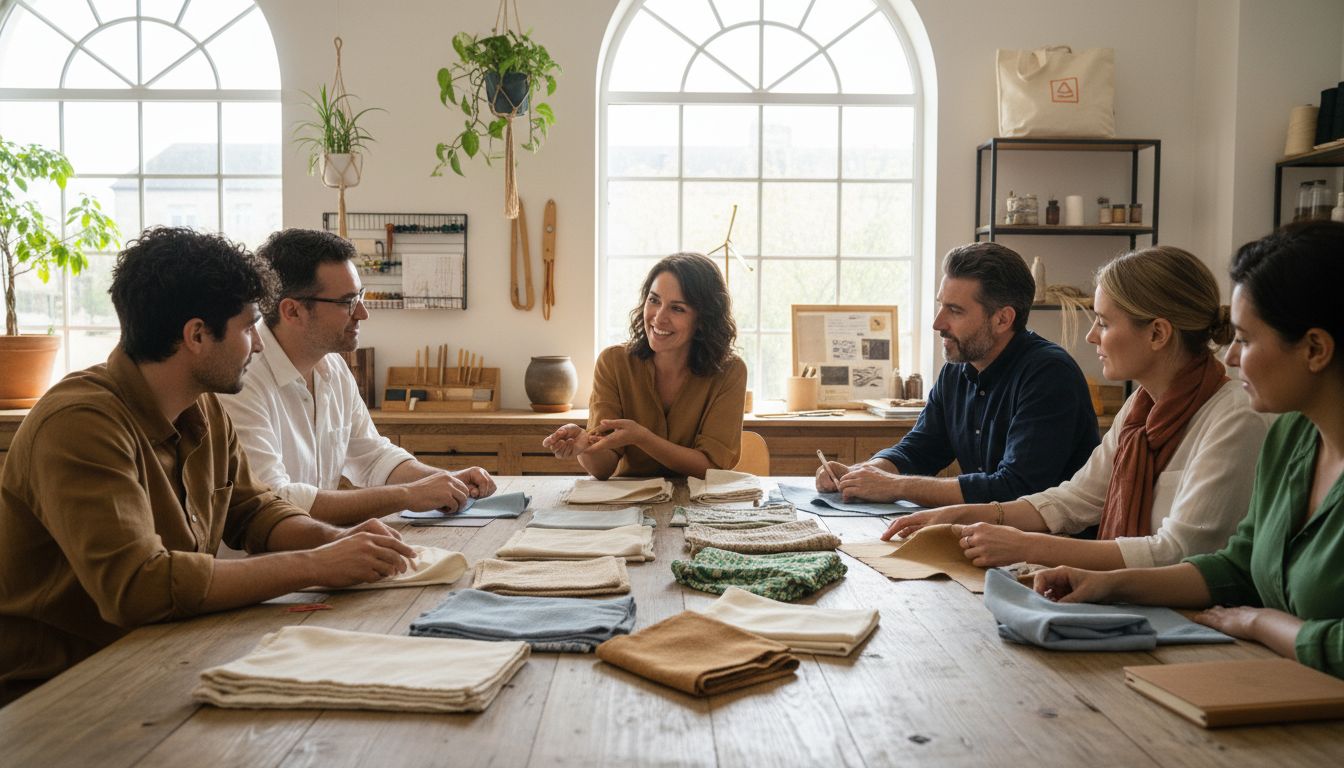
Did you know that switching to sustainable textiles can reduce environmental harm by over 40 percent for some materials? Crafters and designers are seeking greener options to lessen waste and support healthier ecosystems. From soft fibers transformed from wood pulp to fabrics made from recycled bottles, modern sustainable textiles offer incredible variety, style, and eco benefits. Discover how these innovative materials can elevate your projects and help protect the planet at the same time.
| Takeaway | Explanation |
|---|---|
| 1. Choose organic cotton for sustainability. | Organic cotton cultivation drastically reduces environmental impact, enhancing soil health and supporting biodiversity. |
| 2. Explore hemp for durability and eco-friendliness. | Hemp fabric is resilient and requires minimal water, making it a sustainable choice for various projects. |
| 3. Use linen for breathability and comfort. | Linen, derived from flax, becomes softer over time and is ideal for a range of lightweight, stylish products. |
| 4. Consider Tencel and Lyocell for softness. | These materials, made from wood pulp, offer exceptional softness while being sustainably produced with minimal environmental waste. |
| 5. Opt for recycled polyester to reduce waste. | Recycled polyester repurposes plastic waste, conserving resources and keeping plastics out of landfills. |
Organic cotton represents a sustainable textile revolution for crafters and designers seeking environmentally responsible materials. By eliminating synthetic chemicals from the production process, this fabric offers a pure and planet friendly alternative to traditional cotton.
Research reveals dramatic environmental benefits of organic cotton cultivation. According to Global Standard, organic methods reduce global warming potential by 46% and decrease blue water consumption by an impressive 91%. These statistics underscore the significant ecological advantages of choosing organic cotton for your creative projects.
When you select organic cotton, you are supporting agricultural practices that prioritize soil health and ecosystem preservation. Farmers cultivating organic cotton avoid synthetic fertilizers and pesticides, which means healthier agricultural environments and reduced greenhouse gas emissions. The farming techniques protect biodiversity and create more sustainable growing conditions.
For crafters and designers, organic cotton provides exceptional versatility. You can use this textile for multiple projects including:
When purchasing organic cotton, look for certifications from recognized organizations that validate the textile’s organic status. These certifications ensure the fabric meets strict environmental and ethical standards throughout its production process.
By choosing organic cotton, you are not just selecting a material. You are making a conscious decision to support more sustainable textile production and reduce environmental impact with every creative project you undertake.
Hemp fabric emerges as a powerhouse sustainable textile that challenges traditional material production with its remarkable environmental credentials. This versatile fabric offers crafters and designers an incredible opportunity to create projects that are both eco-friendly and incredibly resilient.
According to sustainability research, hemp stands out as a super sustainable material due to its extraordinary growing characteristics. It requires minimal water, thrives without extensive pesticide use, and can flourish in diverse climates. As reported by Sustainability Award, hemp represents a significant breakthrough in sustainable textile production.
The environmental benefits of hemp extend far beyond simple fabric production. Industrial hemp cultivation actively contributes to ecological restoration. Research indicates that hemp plays a crucial role in carbon sequestration, improves soil health, and reduces reliance on synthetic agricultural chemicals. This means when you choose hemp fabric, you are supporting a crop that actively helps regenerate environmental systems.
For creative professionals and hobbyists, hemp fabric offers multiple exciting applications:
When working with hemp fabric, you will notice its natural strength and texture. The material becomes softer with each wash while maintaining its structural integrity. Unlike many synthetic fabrics, hemp develops a comfortable feel over time without losing its fundamental characteristics.
Practical tip for crafters: Start with lighter weight hemp fabrics if you are new to working with this material. These versions offer more flexibility and are easier to manipulate in various creative projects. As you become more comfortable, experiment with different weights and weaves to discover hemp’s incredible potential in your sustainable textile journey.
Linen represents one of the most ancient and sustainable textiles known to humanity, offering crafters and designers a natural fabric with incredible environmental credentials. Sourced directly from the flax plant, this remarkable textile combines elegance with ecological responsibility.
Linen production stands out as an environmentally friendly process that requires significantly less water and chemical intervention compared to many other fabric manufacturing methods. The flax plant grows naturally in diverse climates and requires minimal irrigation, making it an excellent sustainable crop for textile production.
The unique properties of linen make it a standout choice for multiple creative applications. Its natural fibers provide exceptional breathability and temperature regulation, which means the fabric feels cool in summer and provides warmth during cooler seasons. Linen becomes softer and more comfortable with each wash without losing its structural integrity or aesthetic appeal.
Creative professionals and textile enthusiasts can leverage linen in various exciting projects:
When working with linen, pay attention to its natural texture and slight variations. Unlike synthetic fabrics, each piece of linen carries unique characteristics that tell a story of its organic origins. The fabric tends to have a subtle sheen and a natural ability to resist bacterial growth, making it an excellent choice for projects requiring both beauty and functionality.
Practical tip for crafters: Pre wash your linen fabric to minimize potential shrinkage and achieve the most accurate dimensions for your project. Embrace the natural wrinkles that give linen its characteristic charm instead of trying to create a perfectly pressed appearance.
Tencel and Lyocell represent cutting edge sustainable textiles that transform wood pulp into incredibly soft and eco friendly fabric. These innovative materials offer crafters and designers a remarkable alternative to traditional textile production methods.
According to Sustainable Jungle, these fibers are produced through a closed loop manufacturing process that dramatically reduces chemical waste and minimizes water consumption. The production technique involves breaking down wood cellulose into a liquid solution which is then regenerated into fine textile fibers.
The environmental advantages of Tencel and Lyocell are substantial. These fabrics are sourced from sustainably managed forests and require significantly less water and energy compared to conventional textile manufacturing. The closed loop system means that nearly all chemicals and solvents used in production are captured and recycled, creating a remarkably efficient manufacturing approach.
Creative professionals can leverage Tencel and Lyocell in multiple exciting applications:
When working with Tencel and Lyocell, you will notice their exceptional softness and drape. The fabric feels smooth against the skin and offers remarkable versatility for different creative projects. Its natural ability to absorb moisture and regulate temperature makes it an excellent choice for various design applications.
Practical tip for crafters: These fabrics work beautifully with both machine and hand sewing techniques. Their smooth surface allows for clean seams and precise stitching. Pre wash the fabric to minimize potential shrinkage and achieve the most accurate dimensions for your creative vision.
Recycled polyester transforms discarded plastic bottles and industrial waste into a versatile textile material that offers an innovative solution to environmental challenges. By repurposing existing plastics, this fabric provides crafters and designers an opportunity to create sustainable projects with meaningful ecological impact.
Recycled polyester represents a circular economy approach to textile production. The process begins by collecting plastic waste such as water bottles, cleaning and breaking them down into small pellets, which are then melted and spun into new textile fibers. This method significantly reduces the demand for virgin polyester and prevents plastic waste from entering landfills and oceans.
The manufacturing process of recycled polyester requires substantially less energy compared to producing traditional polyester. Each yard of recycled polyester fabric saves multiple plastic bottles from environmental disposal, creating a tangible and measurable positive environmental outcome. The resulting textile maintains similar performance characteristics to virgin polyester including durability, flexibility, and resistance to wrinkles.
Creative professionals can leverage recycled polyester in numerous exciting applications:
When working with recycled polyester, you will appreciate its remarkable versatility. The fabric offers excellent moisture wicking properties and maintains its shape well through multiple uses and washes. Its lightweight nature makes it ideal for projects requiring resilience and practical functionality.
Practical tip for crafters: When selecting recycled polyester, look for certifications that verify the recycling process and percentage of post consumer materials. Some fabrics offer higher recycled content than others, allowing you to make more informed sustainable choices in your creative projects.
Bamboo rayon represents an intriguing textile that blends natural sustainability with innovative manufacturing techniques. This fabric transforms the incredibly fast growing bamboo plant into a soft and adaptable material for creative projects.
According to Sustainable Jungle, bamboo rayon emerges from a complex production process that involves both remarkable potential and environmental considerations. The manufacturing process converts bamboo into a regenerated cellulose fiber through chemical treatments that extract the plant’s natural materials and transform them into textile form.
Bamboo as a raw material offers extraordinary renewable characteristics. The plant grows incredibly quickly without requiring pesticides and regenerates from its own roots after harvesting. This means bamboo can be cultivated with minimal environmental intervention, making it an attractive option for sustainable textile production.
Creative professionals can explore bamboo rayon in various exciting applications:
When working with bamboo rayon, you will discover its exceptional softness and remarkable moisture wicking properties. The fabric feels smooth against the skin and provides excellent temperature regulation, making it ideal for projects requiring comfort and performance.
Practical tip for crafters: While bamboo rayon offers incredible potential, choose suppliers who prioritize environmentally responsible manufacturing processes. Look for certifications that verify sustainable chemical usage and responsible production methods to ensure your creative choices align with genuine ecological principles.
Cork fabric represents one of the most innovative and sustainable textile alternatives in modern creative design. This remarkable material transforms the bark of cork oak trees into a versatile and eco friendly textile with extraordinary characteristics.
According to Sustainable Jungle, cork fabric offers incredible environmental credentials. The production process harvests cork bark without harming the living tree, allowing for repeated harvesting over the tree’s 200 year lifespan. This regenerative approach ensures minimal ecological disruption while creating a durable and unique textile material.
Cork fabric provides exceptional performance characteristics that set it apart from traditional textiles. The material is naturally water resistant, lightweight, and remarkably flexible. Its unique cellular structure creates a fabric that is both strong and incredibly soft, making it suitable for a wide range of creative applications.
Creative professionals can explore cork fabric in multiple exciting projects:
When working with cork fabric, you will discover its surprising versatility. The material can be sewn like traditional fabrics and offers a distinctive texture that immediately catches the eye. Its natural water resistance and durability make it an excellent choice for projects requiring both aesthetic appeal and practical functionality.
Practical tip for crafters: Cork fabric works best with sharp needles and a slightly longer stitch length. Pre test your machine settings and consider using a lightweight interfacing to provide additional stability for more complex design projects.
Below is a comprehensive table summarizing sustainable textiles and their benefits, characteristics, and applications as discussed in the article.
| Textile | Environmental Benefits | Key Properties | Applications |
|---|---|---|---|
| Organic Cotton | Reduces global warming by 46% and water use by 91% | Chemical-free, versatile | Quilting, clothing, home decor |
| Hemp Fabric | Minimal water use, enhances soil health | Durable, strong texture | Clothing, decor, outdoor gear |
| Linen | Low water use, minimal chemicals | Breathable, temperature-regulating | Summer clothing, decor, table linens |
| Tencel & Lyocell | Closed-loop production, low water and energy use | Soft, moisture-wicking | Clothing, bedding, craft projects |
| Recycled Polyester | Reduces plastic waste, circular production | Durable, moisture-wicking | Outdoor wear, decor, bags |
| Bamboo Rayon | Fast-growing, renewable | Soft, temperature regulating | Clothing, bedding, baby products |
| Cork Fabric | Harvested sustainably, minimal ecological impact | Water-resistant, flexible | Accessories, fashion, decor |
Choosing the right sustainable textile for your project can feel overwhelming when faced with so many eco-friendly options. Whether you want organic cotton, hemp, or recycled polyester, the key challenge is finding quality fabrics that align with your values and creative goals. You need versatile materials that support environmental health while inspiring your craft.
At fabric-fabric.com, we understand your passion for sustainable crafting. Our extensive collection includes fabrics perfect for apparel, quilting, home decor, and craft projects—each with clear descriptions and practical usage tips. Find everything from organic cotton to innovative recycled polyester ready to bring your eco-conscious vision to life.
Make your next project truly meaningful by selecting from our carefully curated sustainable textiles. Explore our site today and take advantage of limited-time promotions and free shipping offers. Start crafting with confidence and care now at fabric-fabric.com. Your perfect sustainable fabric is just a click away.
Organic cotton is free from synthetic chemicals, making it a safer and more environmentally friendly choice for your projects. To maximize its benefits, opt for certified organic cotton, ensuring it meets strict environmental and ethical standards before purchasing.
Look for certifications that indicate sustainable practices during production. By selecting fabrics with these certifications, you can significantly lower the ecological footprint associated with your creative projects.
Bamboo rayon should be washed on a gentle cycle and air-dried to retain its softness and durability. Always check the care label and create a washing routine that avoids harsh detergents to keep it in top condition.
Start by selecting lighter weight hemp fabrics for more versatile applications, especially if you are new to working with hemp. This will allow easier manipulation, and as you gain experience, you can experiment with heavier weights for different types of projects.
Yes, cork fabric is naturally water-resistant and can be effectively used for outdoor items. Be sure to pre-test your sewing machine settings with cork fabric, adjusting needle sizes for the best results.
Begin by incorporating Tencel and Lyocell into smaller projects to understand their properties. Pre wash these fabrics before cutting to prevent shrinkage, and experiment with their draping qualities to fully explore their potential in your designs.