

 US Dollar

7 Examples of Sustainable Fabrics for Creative Projects
Posted by BLG on 2025 Oct 18th
Posted by BLG on 2025 Oct 18th


Did you know that the textile industry produces over 92 million tons of waste each year? Choosing sustainable fabrics can make a tangible difference for both the environment and your creative projects. Whether you craft for passion or profession, exploring eco-friendly materials introduces you to textures and benefits far beyond conventional options, all while helping reduce pollution and resource depletion.
| Takeaway | Explanation |
|---|---|
| 1. Choose organic cotton for sustainable crafting. | Organic cotton is chemical-free, supporting environmental health and personal wellness for various creative projects. |
| 2. Hemp is strong, eco-friendly, and versatile. | Hemp fabric requires minimal resources, offering durability for diverse creative applications while being environmentally responsible. |
| 3. Linen is low-impact and long-lasting. | Linen from flax is biodegradable, durable, and becomes softer with use, making it perfect for clothing and home textiles. |
| 4. Opt for TENCEL Lyocell for low waste. | TENCEL Lyocell’s closed-loop system recycles 99% of resources, combining sustainability with excellent textile performance. |
| 5. Use recycled polyester to help reduce waste. | Recycled polyester is made from plastic waste, providing a sustainable alternative while maintaining high performance for various projects. |
Organic cotton represents a sustainable and environmentally friendly fabric option that offers incredible benefits for crafters and creative projects. Unlike conventional cotton, this fabric is grown without synthetic pesticides, harmful chemicals, or genetically modified seeds.
When you choose organic cotton, you are selecting a material that supports both environmental health and personal wellness. Traditional cotton production involves extensive chemical treatments that can harm agricultural workers and ecosystem biodiversity. Organic cotton, in contrast, uses natural farming methods that protect soil quality, conserve water, and promote healthier agricultural practices.
Why Organic Cotton Matters:
For crafters and designers, organic cotton provides a soft, breathable textile perfect for multiple projects. Whether you are creating clothing, quilts, home decor items, or accessories, this fabric delivers exceptional quality without environmental compromise. Its natural fibers offer remarkable versatility adaptable to numerous creative applications.
When selecting organic cotton, look for certifications like Global Organic Textile Standard (GOTS) to ensure authentic sustainable production. These certifications guarantee that your fabric meets rigorous environmental and social responsibility standards throughout its manufacturing process.
Practical tip: Start small by incorporating organic cotton into select projects. You might begin with pillowcases, baby clothing, or quilting squares to experience its exceptional texture and sustainable qualities firsthand. Your creative choices can contribute to broader environmental conservation efforts while producing beautiful, high quality textile work.
Hemp fabric stands out as a revolutionary sustainable textile that combines incredible durability with impressive environmental credentials. Derived from the cannabis sativa plant, hemp fabric offers a unique combination of strength, versatility, and ecological responsibility that makes it an outstanding choice for creative projects.
Unlike many traditional fabrics, hemp requires minimal agricultural inputs to grow. The plant naturally resists pests, meaning farmers can cultivate it without relying on harmful synthetic pesticides. This makes hemp an incredibly efficient crop that uses significantly less water and land compared to other textile fibers like cotton.
Key Benefits of Hemp Fabric:
Creative professionals and hobbyists will appreciate hemp’s remarkable versatility. The fabric becomes softer with each wash while maintaining its structural integrity. This means your quilts, clothing, and home decor items will look beautiful and perform exceptionally well over time.
When working with hemp fabric, expect a slightly textured feel that adds interesting visual depth to your projects. Its natural color ranges from off white to deep cream, providing a neutral palette that works wonderfully with natural dyes. Crafters can easily transform hemp fabric into everything from rugged outdoor gear to delicate summer clothing.
Practical tip: Start experimenting with hemp by blending it with other sustainable fabrics like organic cotton or bamboo. This approach allows you to create textiles with enhanced properties while supporting environmentally conscious manufacturing practices. Your creative choices can contribute to a more sustainable textile ecosystem.
Linen represents one of the oldest and most sustainable textile materials known to human civilization. Crafted from flax plant fibers, this remarkable fabric offers an exceptional combination of environmental responsibility and remarkable performance characteristics that make it a top choice for conscious creators.
Flax plants require minimal water and grow successfully in poor soil conditions, making them an incredibly efficient crop. Unlike many other textile sources, flax can be processed with minimal chemical intervention. The entire plant can be used during production, which means virtually zero waste occurs during manufacturing.
Remarkable Linen Properties:
For crafters and designers, linen offers incredible versatility. Its natural texture provides beautiful drape and visual interest that works wonderfully in clothing, home textiles, and decorative projects. The fabric becomes increasingly soft and comfortable with repeated use, making it an excellent choice for items that will receive frequent handling.
When selecting linen for your creative projects, look for fabrics sourced from regions with strong agricultural practices. European flax particularly stands out for its sustainable cultivation methods. The fabric works wonderfully for summer clothing, lightweight quilts, table linens, and artistic textile installations.
Practical tip: Experiment with natural dyeing techniques on linen to create unique color palettes. Its absorbent nature makes it perfect for capturing rich, deep hues while maintaining the fabric’s inherent ecological advantages. Your creative choices can showcase both artistic skill and environmental consciousness.
TENCEL Lyocell represents a cutting edge sustainable fabric engineered to minimize environmental impact while delivering exceptional textile performance. Produced from wood cellulose typically sourced from sustainably managed eucalyptus forests, this innovative material transforms natural resources into incredibly versatile fabric through an ingenious manufacturing process.
What sets TENCEL Lyocell apart is its revolutionary closed-loop production system. Unlike traditional textile manufacturing that generates significant waste, this process recycles nearly 99% of water and chemical solvents used during fabric creation. This means minimal environmental contamination and dramatically reduced resource consumption compared to conventional fabric production methods.
Key Advantages of TENCEL Lyocell:
Creative professionals will appreciate TENCEL Lyocell’s remarkable versatility. The fabric offers exceptional drape, breathability, and a luxurious feel that works wonderfully for clothing, accessories, and home textiles. Its smooth surface takes natural dyes beautifully, allowing crafters to explore vibrant color palettes while maintaining ecological integrity.
The fabric performs exceptionally well across multiple creative applications. Its natural moisture wicking properties make it perfect for activewear, summer clothing, and lightweight quilting projects. The material also resists bacterial growth, which means your handmade items will remain fresh and clean longer.
Practical tip: When working with TENCEL Lyocell, treat it similarly to silk during preparation and care. Use gentle washing techniques and avoid high heat to maintain the fabric’s exceptional quality and sustainable characteristics. Your creative choices can showcase both artistic skill and environmental consciousness.
Recycled polyester transforms plastic waste into a valuable textile resource, offering an innovative solution to environmental challenges while creating high performance fabric. By converting discarded plastic bottles and industrial plastic waste into textile fibers, this material provides a sustainable alternative to traditional petroleum based polyester production.
The transformation process begins by collecting plastic waste, cleaning it thoroughly, then breaking it down into small pellets. These pellets are then melted and spun into new polyester fibers that can be used exactly like conventional polyester. This approach dramatically reduces waste while preventing additional plastic from entering landfills and ocean ecosystems.
Environmental Impact of Recycled Polyester:
For crafters and designers, recycled polyester offers remarkable versatility. The fabric performs exceptionally well in outdoor gear, athletic wear, home textiles, and decorative projects. Its durability and moisture resistance make it an excellent choice for items that require long lasting performance.
The fabric comes in multiple weights and textures, allowing creative professionals to select the perfect material for specific projects. From lightweight quilting layers to sturdy outdoor equipment, recycled polyester can meet diverse creative needs while supporting environmental sustainability.
Practical tip: When purchasing recycled polyester, look for certifications that verify the material’s recycled content and production standards. Your creative choices can directly contribute to reducing global plastic waste and supporting circular economy principles.
Bamboo fabric represents a sustainable textile option that combines remarkable environmental benefits with exceptional performance characteristics. Derived from one of the fastest growing plants on earth, bamboo fabric offers crafters and designers an innovative material that supports ecological responsibility while delivering outstanding textile properties.
Bamboo plants grow incredibly quickly without requiring pesticides or extensive irrigation. A single bamboo plant can grow up to three feet in just 24 hours and reaches full maturity in approximately four years. This rapid growth cycle makes bamboo an incredibly renewable resource that regenerates naturally without significant agricultural intervention.
Key Benefits of Bamboo Fabric:
Creative professionals will appreciate bamboo fabric’s remarkable versatility. The material offers a silky smooth feel that works wonderfully for clothing, home textiles, and accessories. Its natural temperature regulating properties make it ideal for items ranging from summer wear to lightweight blankets and quilting projects.
When working with bamboo fabric, expect a material that combines ecological consciousness with high performance. The fabric drapes beautifully, takes color exceptionally well, and maintains its structural integrity through multiple wash cycles. Its inherent softness makes it particularly suitable for items that require direct contact with skin.
Practical tip: Look for mechanically processed bamboo fabrics which use more environmentally friendly extraction methods compared to chemical processing. Your creative choices can support sustainable textile production while producing beautiful, high quality textile work.
Recycled wool represents an innovative approach to textile sustainability that transforms discarded wool garments and manufacturing scraps into valuable new fabric resources. By reimagining wool waste as a potential material, this process significantly reduces textile waste while conserving natural resources and energy typically required for virgin wool production.
The recycling process begins by carefully sorting wool textiles by color and fiber quality. These materials are then mechanically shredded, cleaned, and respun into new yarn without using additional chemical treatments. This approach allows creators to work with a material that maintains most of wool’s original performance characteristics while supporting circular economy principles.
Advantages of Recycled Wool:
For crafters and designers, recycled wool offers remarkable versatility. The fabric works wonderfully in projects ranging from warm winter clothing to decorative home textiles. Its inherent ability to regulate temperature makes it an exceptional choice for items that require both comfort and performance.
Creative professionals can appreciate how recycled wool maintains the classic characteristics of traditional wool. The fabric remains breathable, naturally moisture resistant, and capable of holding intricate textile designs. Its slightly unique texture tells a story of sustainable transformation that adds character to every project.
Practical tip: When selecting recycled wool, look for certifications that verify the material’s recycled content and ethical production standards. Your creative choices can directly contribute to reducing global textile waste while producing beautiful, meaningful textile work.
Below is a comprehensive table summarizing the sustainable textiles discussed in the article, highlighting their benefits, environmental impact, and practical considerations for creators.
| Textile | Key Benefits | Environmental Impact | Practical Tip |
|---|---|---|---|
| Organic Cotton | Soft, chemical-free, breathable | Uses less energy and water, supports safer farming | Start small with projects like pillowcases |
| Hemp Fabric | Strong, antimicrobial, UV resistant | Minimal agricultural inputs, less water and land needed | Blend with other fabrics for versatility |
| Linen from Flax | Temperature regulating, durable, softens with use | Minimal water needed, processed with little chemical input | Experiment with natural dyes |
| TENCEL Lyocell | Soft texture, excellent moisture management | Closed-loop production minimizes waste | Treat like silk when washing |
| Recycled Polyester | Durable, moisture resistant | Reduces plastic waste, less energy than virgin polyester | Look for certification of recycled content |
| Bamboo Fabric | Antimicrobial, breathable, moisture-wicking | Fast-growing, minimal pesticides required | Choose mechanically processed bamboo |
| Recycled Wool | Thermal regulation, moisture resistant | Reduces textile waste, less water than virgin wool | Verify recycled content certification |
If you are inspired by the eco-friendly fabric choices in ‘7 Examples of Sustainable Fabrics for Creative Projects’ but unsure where to actually source these materials, you are not alone. Many creators want to make better choices for the planet but feel overwhelmed when it comes to finding reliable, sustainable textiles. Whether you are searching for organic cotton, linen, hemp, or recycled options, finding trustworthy fabric suppliers often feels like a barrier to starting your next project.
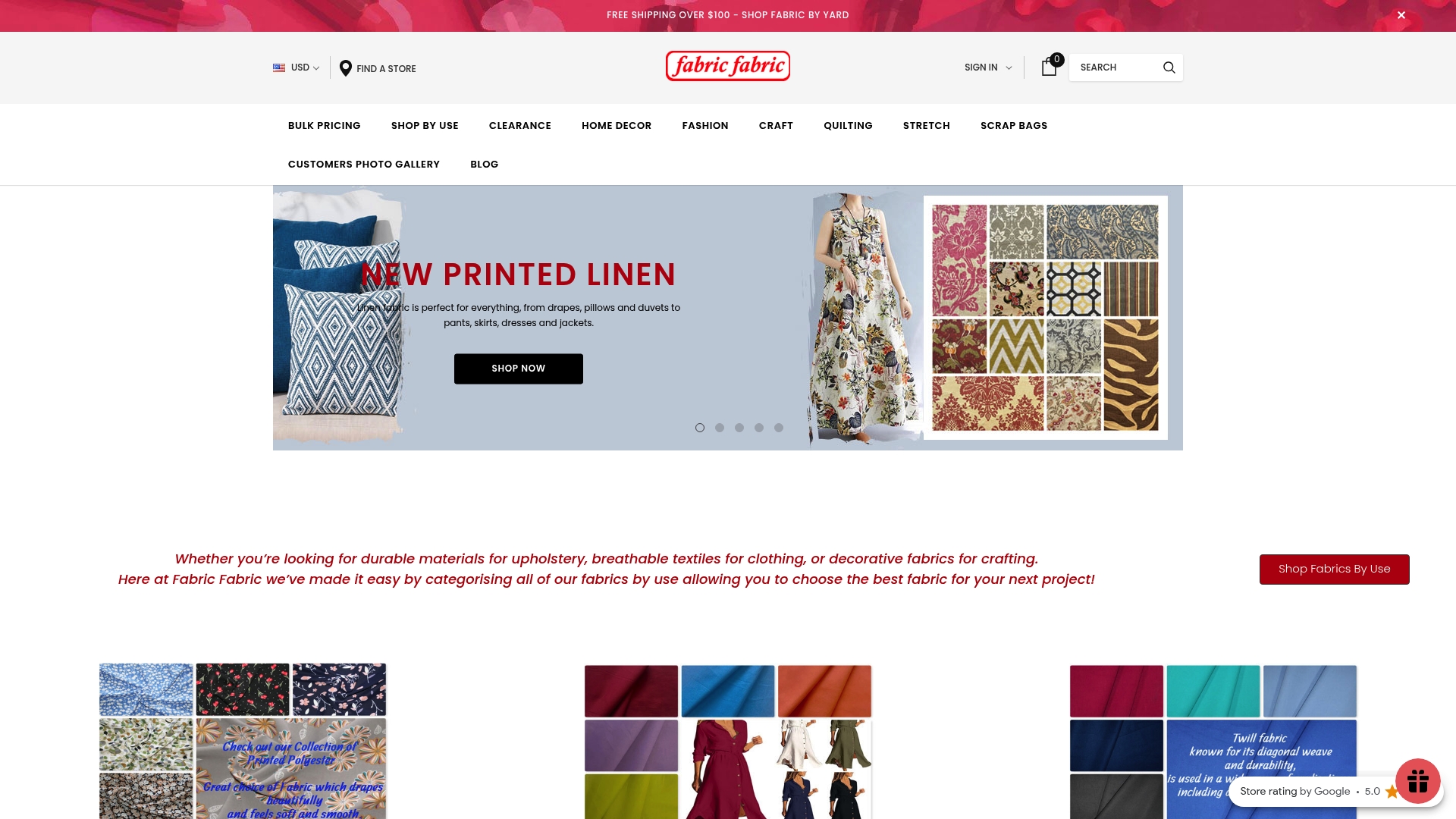
Why wait to turn inspiration into action? At fabric-fabric.com, you can explore a wide selection of fabrics suitable for clothing, home decor, crafts, and more. Browse detailed product descriptions, benefit from seasonal deals, and discover materials aligned with your creative and environmental values. Shop now and start your next sustainable project today by visiting our main fabric collection. Your creative vision deserves the right materials—take the next step and explore what you can make.
Organic cotton is a sustainable fabric free from harmful chemicals, making it a safer choice for both creators and the environment. Start by incorporating it into simple projects like pillowcases or baby clothing to experience its softness and ecological advantages firsthand.
You can blend fabrics like hemp and organic cotton to enhance both durability and softness in your creations. Experiment by mixing them in quilts or clothing to achieve unique textures and performance qualities while supporting sustainability.
Yes, look for certifications like Global Organic Textile Standard (GOTS) for organic cotton or similar eco-labels for other fabrics. These certifications ensure your materials meet rigorous environmental and social responsibility standards, promoting a more sustainable textile choice.
TENCEL Lyocell is incredibly soft, breathable, and has excellent moisture management properties, which make it ideal for various creative applications. Consider using it for summer clothing or activewear projects to benefit from its unique qualities while minimizing your environmental impact.
To dye sustainable fabrics like linen or bamboo, begin by using natural dyeing techniques that complement their absorbent properties. Start with small samples to test color combinations and ensure the fabric retains its ecological benefits during the dyeing process.
Using recycled polyester helps reduce plastic waste and decreases the reliance on petroleum resources for new textile production. By incorporating recycled polyester into your designs, you can help contribute to a circular economy while creating durable and high-performance items.