

 Canadian Dollars

8 Inspiring Examples of Luxury Textiles for Your Projects
Posted by BLG on 2025 Sep 18th
Posted by BLG on 2025 Sep 18th

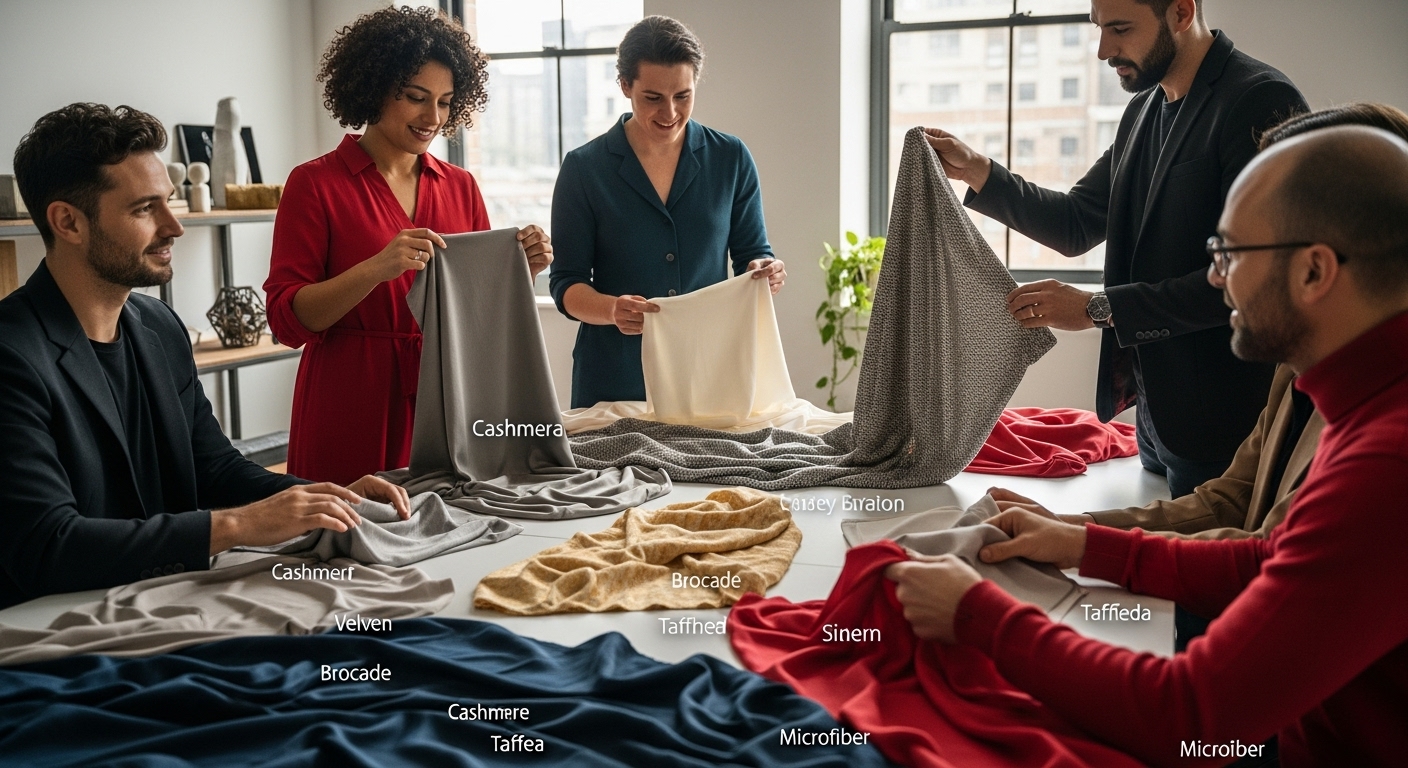
Luxury textiles are not just about price tags or exclusive fashion runways. Some, like silk and cashmere, have been coveted for centuries and bring extraordinary qualities to the table. Silk, for example, is prized not just for its softness but also for its exceptional thermal regulation that keeps you cool in summer and warm in winter. This might sound like something only the rich could appreciate, but many of these fabrics have practical benefits and fascinating origins that anyone can enjoy. Get ready to discover why these top eight textiles are far more intriguing than you might expect.
| Takeaway | Explanation |
|---|---|
| Silk is ideal for luxury designs | Silk’s softness, durability, and luster make it perfect for high-end fashion and home decor. |
| Cashmere requires careful selection | Look for premium fibers measuring 14-19 microns for the highest softness and longevity in cashmere products. |
| Linen’s breathability is perfect for summer | The loose weave of linen provides excellent moisture management, making it great for warm weather garments. |
| Brocade features intricate patterns | This fabric adds visual complexity and is suitable for luxurious clothing and upholstery, reflecting artistic traditions. |
| Microfiber offers modern versatility | Known for softness and durability, microfiber suits many applications from activewear to high-end home textiles. |
Silk represents the pinnacle of luxury textiles, embodying sophistication and timeless elegance across fashion and design. This exquisite material has captivated artisans and designers for centuries, offering a unique combination of softness, strength, and luminous sheen.
Originally discovered in ancient China, silk quickly became a symbol of wealth and prestige. Traders along the historic Silk Road transported this precious fabric across continents, making it one of the most sought-after textile examples of luxury craftsmanship. As documented by The National Museum of American History, the U.S. silk industry emerged in the 19th century, transforming silk from an exclusive import to a more accessible luxury material.
Key characteristics that make silk a premier textile include:
For crafters and designers, silk offers remarkable versatility. Whether used in haute couture gowns, intricate quilting projects, home decor accents, or delicate accessories, silk elevates any creative endeavor. Its natural luster and smooth texture create visual depth and tactile richness that synthetic materials cannot replicate.
When selecting silk for your projects, consider factors like weight, weave, and intended use. Lightweight mulberry silk works beautifully for flowing garments, while heavier silk duchesse is ideal for structured designs. Understanding these nuanced characteristics helps designers and crafters make informed textile selections that showcase silk’s inherent elegance.
Cashmere stands as a pinnacle of luxury textile craftsmanship, renowned for its exceptional softness and remarkable thermal properties. Harvested from the fine undercoat of mountain goats in regions like Mongolia and Tibet, this extraordinary fiber represents an exquisite intersection of natural performance and aesthetic elegance.
According to research published in Polymers (Basel), cashmere’s unique molecular structure provides extraordinary textile characteristics that set it apart from other natural fibers. Its remarkable qualities make it a preferred material for designers seeking both comfort and sophistication.
Key attributes that define cashmere’s premium status include:
Crafters and fashion designers appreciate cashmere for its versatility. Whether creating delicate scarves, luxurious sweaters, or intricate home decor pieces, this textile offers unparalleled texture and warmth. The fiber’s ability to trap air between its fine strands creates an incredible thermal barrier that keeps wearers comfortably warm without excessive bulk.
Selecting high-quality cashmere requires understanding its grading system. Premium cashmere features longer, finer fibers with minimal imperfections, resulting in smoother, more durable textiles. Crafters should look for fibers measuring between 14-19 microns in diameter, which ensures maximum softness and performance.
Though cashmere commands a higher price point, its durability and timeless appeal make it a worthwhile investment for those seeking exceptional textile experiences. Proper care including gentle washing and storage ensures these luxurious pieces maintain their extraordinary qualities for years to come.
Velvet represents a quintessential luxury textile that transforms interior spaces with its unparalleled depth, richness, and sensory appeal. This sumptuous fabric has been synonymous with elegance and sophistication for centuries, offering designers and crafters an extraordinary medium for creating compelling visual and tactile experiences.
According to historical textile research, velvet emerged as a premium fabric that transcends mere decoration, becoming a statement of refined taste and artistic expression. Its unique construction involves creating a dense pile of evenly cut threads that produce an extraordinary soft, lustrous surface.
Key characteristics that make velvet exceptional include:
Crafters and interior designers appreciate velvet for its remarkable versatility. From luxurious throw pillows and dramatic draperies to upholstered furniture and accent pieces, velvet elevates ordinary spaces into extraordinary environments. The fabric’s inherent depth and complexity allow it to complement both contemporary and traditional design aesthetics.
Choosing velvet requires understanding its variations. Cotton velvet offers durability, silk velvet provides unmatched luminosity, and synthetic blends deliver affordability without compromising on aesthetic appeal. Considerations like pile height, fiber content, and intended use help designers select the perfect velvet for their specific project requirements.
Whether creating a statement furniture piece or adding subtle textural elements, velvet remains an unparalleled textile that promises to transform spaces with its rich, inviting presence.
Linen emerges as a premier textile that epitomizes summer sophistication, offering unparalleled breathability and natural elegance. Derived from the flax plant, this extraordinary fabric has been cherished for thousands of years, representing a perfect fusion of comfort, performance, and aesthetic refinement.
According to research from the American Textile History Museum, linen’s unique molecular structure provides exceptional thermal regulation and moisture management. Its loose, open weave allows air to circulate freely, creating a cooling effect that makes it ideal for warm weather garments and home textiles.
Key advantages of linen include:
Crafters and designers appreciate linen for its versatility across multiple applications. From crisp summer suits and flowing dresses to lightweight home decor and table linens, this fabric brings a sense of understated luxury to every project. Its natural texture provides visual depth and tactile interest that synthetic materials cannot replicate.
Selecting high-quality linen requires understanding its unique characteristics. Premium linen features long, unbroken fibers that create smoother, more consistent fabric with enhanced durability. The weight, weave, and origin of the linen significantly impact its performance and aesthetic qualities.
Beyond its functional benefits, linen carries a rich cultural heritage. Its use spans centuries, from ancient Egyptian clothing to contemporary haute couture, symbolizing both practicality and refined taste. For designers seeking a textile that combines performance, sustainability, and timeless elegance, linen remains an unparalleled choice.
Brocade represents a pinnacle of textile artistry, characterized by its elaborate woven patterns and remarkable visual complexity. This luxurious fabric transforms ordinary surfaces into extraordinary canvases of design, featuring intricate raised patterns that catch light and create stunning dimensional effects.
According to research exploring historical textile techniques, brocade emerged as a sophisticated weaving method that allows designers to create multilayered, textured surfaces using complex weaving techniques. Traditionally produced using silk or metallic threads, brocade communicates a sense of opulence and refined craftsmanship.
Key characteristics that define brocade’s exceptional quality include:
Crafters and designers appreciate brocade for its remarkable versatility. Whether used in haute couture clothing, elegant upholstery, decorative wall hangings, or ceremonial garments, brocade adds an immediate sense of luxury and sophistication. Its complex weaving technique allows for extraordinarily detailed patterns that range from geometric designs to elaborate floral motifs.
Selecting high-quality brocade requires understanding its construction. Premium brocade features tight, precise weaving with clearly defined patterns and minimal thread irregularities. The choice of base fabric, thread composition, and weaving technique dramatically influences the final textile’s appearance and durability.
Beyond its aesthetic appeal, brocade represents a storytelling medium where each pattern potentially carries historical, cultural, or symbolic significance. For designers seeking a textile that combines visual drama with deep artistic tradition, brocade remains an unparalleled choice.
Taffeta stands as a quintessential luxury textile that epitomizes elegance and structural sophistication in evening wear and high-fashion design. This remarkable fabric is characterized by its distinctive rustle, exceptional crispness, and ability to create dramatic silhouettes that capture light and movement with extraordinary precision.
According to historic fashion research, taffeta has long been prized for its unique structural qualities that allow designers to create architectural garments with impeccable shape and form. Traditionally woven from silk, modern taffeta incorporates synthetic fibers that enhance durability while maintaining its classic aesthetic appeal.
Key characteristics that define taffeta’s exceptional quality include:
Crafters and fashion designers appreciate taffeta for its transformative potential. From voluminous ball gowns and structured evening wear to delicate accessories and architectural home decor, taffeta provides a canvas for creative expression that combines technical precision with visual drama.
Selecting high-quality taffeta requires understanding its nuanced characteristics. Premium taffeta features a tight, smooth weave with minimal irregularities, ensuring a consistent texture and exceptional drape. The fabric’s weight, thread count, and fiber composition dramatically influence its performance and aesthetic qualities.
Beyond its visual appeal, taffeta represents a textile that bridges technical craftsmanship with artistic innovation. For designers seeking a fabric that combines structural integrity, luminous quality, and timeless elegance, taffeta remains an unparalleled choice in luxury textile design.
Mohair emerges as a premium textile that seamlessly blends exceptional durability with unparalleled luxury, making it a premier choice for sophisticated upholstery and interior design. Harvested from Angora goats, this extraordinary fiber offers a unique combination of strength, resilience, and aesthetic refinement that sets it apart from conventional fabrics.
According to research in textile engineering, mohair demonstrates remarkable thermal properties and structural integrity that make it ideal for high-performance upholstery applications. Its natural characteristics provide designers with a material that maintains both visual elegance and functional excellence.
Key characteristics that define mohair’s exceptional quality include:
Crafters and interior designers appreciate mohair for its versatility across multiple design contexts. From contemporary furniture and statement chairs to classic upholstery and decorative accents, this textile brings a sense of refined luxury that elevates any interior space. Its unique sheen and soft texture create visual depth that synthetic materials cannot replicate.
Selecting high-quality mohair requires understanding its nuanced characteristics. Premium mohair features long, uniform fibers with minimal imperfections, ensuring consistent texture and performance. The fabric’s weight, pile height, and spinning technique significantly impact its final aesthetic and functional qualities.
Beyond its technical performance, mohair carries an inherent sophistication that speaks to discerning designers seeking textiles that combine practicality with extraordinary visual appeal. For those committed to creating spaces that balance durability and elegance, mohair remains an unparalleled textile choice.
Below is a comprehensive table summarizing the eight inspiring examples of luxury textiles covered in this article, highlighting their unique qualities, core benefits, and common uses for creative projects.
| Textile | Defining Qualities | Key Benefits | Common Uses |
|---|---|---|---|
| Silk | Softness, durability, luminous sheen | Exceptional thermal regulation, moisture absorption, versatility | Clothing, quilting, decor, accessories |
| Cashmere | Ultra-fine fibers, natural insulation | Superior softness, lightweight warmth, breathability | Sweaters, scarves, luxury home items |
| Velvet | Dense pile texture, light-reflecting surface | Visual richness, sound absorption, tactile appeal | Upholstery, drapery, pillows, furniture |
| Linen | Breathable, loose weave, natural texture | Moisture-wicking, antibacterial, durable, cool feel | Summer apparel, home textiles, table linens |
| Brocade | Intricate raised woven patterns, multi-colored | Visual depth, embossed designs, artistic tradition | Apparel, upholstery, decorative accents |
| Taffeta | Crisp structure, distinctive sheen and rustle | Holds shape, luminous quality, dramatic movement | Evening wear, costumes, home decor |
| Mohair | Long, uniform fibers, natural sheen | Durable, flame-retardant, superior insulation | Upholstery, statement chairs, decor |
| Microfiber | Ultra-fine synthetic fibers, smooth touch | High durability, moisture-wicking, lightweight, soft feel | Activewear, high-end furnishings, textiles |
Microfiber emerges as a contemporary textile marvel that revolutionizes the concept of comfort and performance, delivering an extraordinary blend of softness, durability, and cutting-edge functionality. Composed of incredibly fine synthetic fibers significantly thinner than human hair, this innovative fabric represents the pinnacle of modern textile engineering.
According to research in textile performance, microfiber fabrics offer unprecedented versatility across multiple applications, from high-performance activewear to luxurious home textiles. Its unique molecular structure allows for remarkable characteristics that traditional fabrics cannot match.
Key characteristics that define microfiber’s exceptional quality include:
Crafters and designers appreciate microfiber for its remarkable adaptability. Whether creating sleek athletic wear, sophisticated home furnishings, or technical performance garments, this textile provides a foundation of comfort and elegance. Its dense fiber composition allows for exceptional breathability while maintaining a smooth, luxurious texture.
Selecting high-quality microfiber requires understanding its nuanced manufacturing process. Premium microfiber features uniform fiber diameter, precise weaving techniques, and advanced polymer technologies that enhance its performance characteristics. The fabric’s weight, fiber composition, and finishing treatments dramatically influence its final aesthetic and functional properties.
Beyond its technical excellence, microfiber represents a textile that bridges innovative engineering with practical design. For creators seeking a material that combines modern performance with a luxurious feel, microfiber stands as an unparalleled textile solution that meets the demands of contemporary design and functionality.
Searching for the perfect textile can be daunting when each project demands a unique material like silk for elegance, velvet for rich texture, or linen for breathability. Your creative vision deserves more than generic options and confusing marketplaces. Our article highlighted the complexities of choosing luxury textiles for apparel, home decor, or sophisticated craft projects. If you ever felt limited by quality, selection, or guidance, you are not alone. Every designer and crafter wants access to superb fabrics with details that make a real difference.

Start your journey at fabric-fabric.com, where you will find everything from classic silk and striking velvet to versatile microfiber, all chosen for outstanding quality and variety. With trusted descriptions and clear suggestions, it is easier to choose the right fabric for any luxury creation. Take advantage of seasonal promotions, exclusive discounts, and detailed listings made just for passionate creators like you. Find the luxury textile that turns your vision into reality and explore new arrivals now. Shop with confidence at fabric-fabric.com today and give your next project the finish it deserves.
Silk is known for its softness, strength, and luminous sheen. It provides exceptional thermal regulation, absorbs moisture while remaining lightweight, and offers great durability.
Cashmere surpasses traditional wool in softness and insulation while being lightweight. It is also naturally breathable and adapts to body temperature, making it a luxurious choice for garments.
Linen is highly breathable with remarkable moisture-wicking capabilities, making it ideal for warm weather. It also features natural antibacterial properties and is exceptionally durable.
Brocade is characterized by its intricate woven patterns and raised, embossed designs, which create visual depth and a sense of opulence. It uses complex weaving techniques and can incorporate multiple colors and thread types.