

 US Dollar

7 Essential Suit Fabric Types for Custom Garments
Posted by BLG on 2026 Feb 13th
Posted by BLG on 2026 Feb 13th

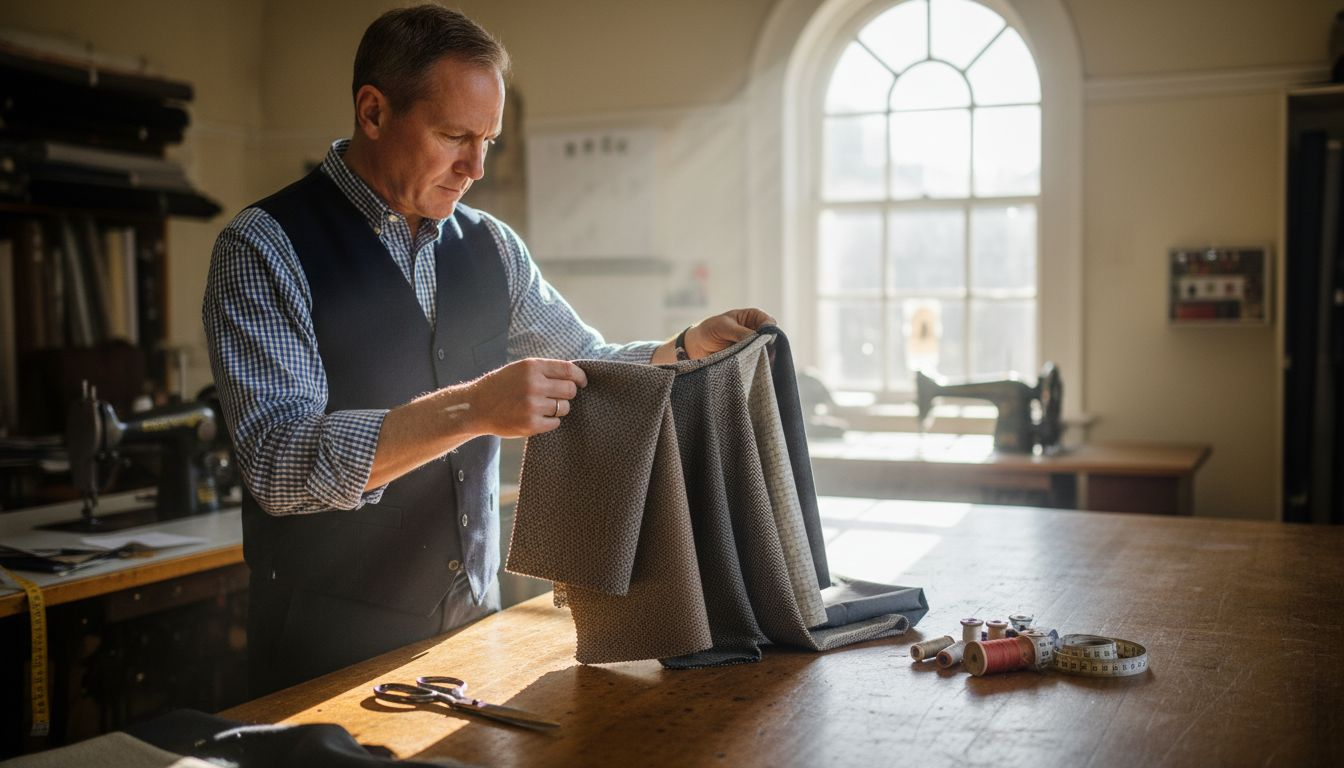
Choosing the right fabric for your custom suit can feel overwhelming when every option promises comfort, style, and durability. The wrong choice can leave you with a garment that creases easily, feels uncomfortable, or simply does not hold up throughout the year. So, how do you make sure your suit fabric fits your lifestyle and climate while still delivering that polished, tailored look?
This guide breaks down the most popular suit fabrics—highlighting their strengths, seasonality, and performance—so you can make an informed decision. You will discover which materials keep you comfortable in a Canadian summer, which ones handle the demands of daily wear, and what modern blends offer for today’s busy professionals. Get ready to uncover the must-know insights that will make your next custom suit a standout—a perfect fit in every sense.
| Takeaway | Explanation |
|---|---|
| 1. Choose wool for versatility in suits | Wool offers excellent temperature regulation and durability, making it suitable for year-round wear in various climates. |
| 2. Opt for cotton in warm environments | Cotton provides breathability and comfort, making it ideal for casual business suits in warmer conditions. |
| 3. Consider linen for summer suits | Linen’s lightweight and moisture-wicking properties offer ideal comfort during hot weather, though it may wrinkle easily. |
| 4. Explore synthetic blends for easy maintenance | Synthetic fabrics are durable, wrinkle-resistant, and cost-effective, making them convenient for busy lifestyles. |
| 5. Test fabric swatches before selection | Always request fabric samples to assess color and texture under different lighting, ensuring your custom suit meets expectations. |
Wool stands as the quintessential fabric for custom suits, offering unparalleled performance and sophistication. Its remarkable natural properties have made it the go-to choice for discerning tailors and fashion enthusiasts across North America.
At the core of wool’s superiority are its extraordinary characteristics. Innovative wool processing techniques have transformed this classic fabric into a modern marvel of textile engineering. Unlike synthetic alternatives, wool provides a range of benefits that elevate it beyond mere clothing material:
The secret to wool’s excellence lies in its complex fiber structure. Fine wool types like Merino offer extraordinary softness and comfort, with natural lanolin providing additional water resistance and odor control. This means a wool suit isn’t just a garment - it’s a sophisticated investment in personal style and functionality.
Wool transforms from a simple textile into a performance fabric that adapts to your body’s needs.
Modern wool suits range from lightweight summer options to robust winter weights, making them incredibly versatile. Tailors can select from various wool grades to match specific style and comfort requirements, ensuring a personalized approach to custom garment creation.
Pro tip: When selecting a wool suit, focus on the fiber’s micron count - the lower the number, the softer and more luxurious the fabric will feel against your skin.
Cotton emerges as a quintessential fabric for custom suits that prioritize comfort and breathability. Its natural properties make it an exceptional choice for tailoring, especially in warmer climates and casual business environments.
Cotton fabric offers remarkable versatility in suit design, combining softness with functional performance. The fabric’s inherent characteristics provide several key advantages for custom garment creation:
Modern cotton suits have evolved beyond traditional limitations. Different cotton varieties like organic, combed, and Egyptian cotton present varying quality levels, with advanced processing techniques significantly improving wrinkle resistance and durability.
Cotton transforms from a simple textile into a sophisticated suit fabric that balances style and comfort.
Custom suit enthusiasts appreciate cotton’s adaptability. While pure cotton suits might wrinkle more easily than wool, contemporary blends with synthetic fibers have dramatically enhanced fabric performance. These innovations create suits that maintain crisp lines and resist creasing, making cotton an increasingly attractive option for discerning tailors and clients.
Pro tip: When selecting a cotton suit, opt for a blend that includes a small percentage of synthetic fibers to improve wrinkle resistance and maintain the fabric’s natural breathability.
Linen emerges as a sophisticated fabric choice for custom suits, particularly designed for those seeking ultimate comfort in warm weather environments. Its unique properties make it a standout option for tailoring that prioritizes breathability and natural elegance.
Linen fibers offer exceptional performance in suit construction, delivering a combination of strength and lightweight comfort. Derived from flax plant fibers, this remarkable fabric brings several distinctive advantages to custom garment design:
The hollow structure of linen fibers creates remarkable heat conduction properties, making it ideal for spring and summer suit collections. While linen is known for its propensity to wrinkle, modern textile advancements have introduced innovative finishes that improve wrinkle recovery and fabric softness.
Linen transforms from a simple plant fiber into a sophisticated suit fabric that breathes with you.
Custom suit enthusiasts appreciate linen’s ability to provide a relaxed yet refined look. Its natural texture speaks to craftsmanship, offering a garment that feels both comfortable and stylishly understated. North American tailors increasingly recommend linen for warm-weather events and casual business settings.
Pro tip: When selecting a linen suit, choose lighter colors and lighter weight fabrics to maximize the fabric’s natural cooling properties and minimize visible wrinkles.
Synthetic fabrics represent a modern solution for custom suits that balance performance, affordability, and practical maintenance. These engineered textiles have revolutionized suit manufacturing by offering versatile options for professionals and style-conscious individuals.
Synthetic fabric technologies deliver remarkable benefits for contemporary suit design. Polyester and nylon blends provide unique advantages that address multiple clothing requirements:
Modern manufacturing techniques have transformed synthetic fabrics from stiff and uncomfortable materials into sophisticated suit options. Innovative blending with natural fibers like wool and cotton enhances breathability and overall comfort, addressing previous concerns about synthetic suit performance.
Synthetic fabrics are not just alternatives - they are precision-engineered textiles designed for modern lifestyle demands.
Professionals appreciate synthetic suits for their travel-friendly characteristics. These suits can withstand frequent wear, maintain their shape, and require minimal care, making them ideal for busy individuals who need reliable clothing that looks sharp with minimal effort.
Pro tip: When selecting a synthetic suit, choose blends with natural fibers to maximize comfort and performance, ensuring a balance between durability and wearability.
Silk represents the pinnacle of luxury in suit fabrics, offering an unparalleled combination of elegance, comfort, and refined sophistication. For those seeking a truly exceptional custom garment, silk provides a remarkable textile experience that transcends ordinary suiting materials.
Silk fabric’s unique structure delivers extraordinary performance for discerning suit enthusiasts. The natural protein fiber brings remarkable qualities that set it apart from conventional suit materials:
Multberry silk remains the gold standard for premium suit production, offering the finest quality available in the textile market. Its incredibly fine texture creates a smooth hand feel that simply cannot be replicated by synthetic alternatives.
Silk transforms from a mere fabric into an expression of ultimate sartorial refinement.
Custom suit designers appreciate silk’s ability to provide both visual drama and functional comfort. Its thermoregulating properties ensure comfort across varying climates, while its natural antibacterial qualities maintain freshness throughout wear.
Pro tip: Select Mulberry silk for your custom suit and choose lighter weights for summer events, darker tones for formal winter occasions to maximize the fabric’s inherent elegance.
Performance blended fabrics represent the cutting edge of suit design, combining advanced textile engineering with practical functionality for the modern professional. These innovative materials transform traditional suiting by integrating the best qualities of natural and synthetic fibers.
Advanced textile weaving technologies have revolutionized suit fabric development. Performance blends strategically combine fibers to create remarkable textile solutions:
Typical performance blends combine wool with polyester and elastane, creating fabrics that maintain the luxurious feel of natural fibers while adding modern performance characteristics. These materials address the dynamic needs of professionals who require suits that can transition seamlessly between office, travel, and social environments.
Performance blends transform suits from static garments into adaptive, responsive clothing technologies.
North American markets have particularly embraced these innovative fabrics, driven by consumers seeking practical yet stylish clothing solutions. The ability to maintain a crisp appearance throughout long workdays while providing unparalleled comfort makes performance blends increasingly popular among discerning suit wearers.
Pro tip: When selecting a performance blend suit, look for fabrics with approximately 3-5% elastane to ensure optimal stretch and shape retention without compromising the suit’s structured appearance.
Selecting the perfect fabric for a custom suit requires thoughtful consideration of multiple factors that extend far beyond simple aesthetic preferences. Your fabric choice will ultimately determine the suit’s comfort, durability, appearance, and overall performance in various environments.
Fabric selection involves strategic decision-making that balances personal style with practical functionality. Understanding the key characteristics of different fabrics helps ensure your custom suit meets your lifestyle demands:
Wool offers year-round versatility, cotton provides breathable comfort, linen excels in warm climates, and performance blends deliver stretch and wrinkle resistance. Each fabric brings unique properties that can enhance or limit your suit’s utility.
Your fabric choice transforms a simple garment into a personalized style statement.
Professional tailors recommend considering your specific lifestyle needs. A consultant can help you navigate the nuanced world of suit fabrics, ensuring your custom garment not only looks exceptional but performs brilliantly in your daily environment.
Pro tip: Always request fabric swatches and test them in different lighting conditions to understand how color, texture, and drape will truly appear in your finished suit.
Below is a comprehensive table summarizing the various fabric options for custom suits, detailing their features, adaptabilities, and ideal use cases, as discussed in the article.
| Fabric | Features | Best Suited For |
|---|---|---|
| Wool | Temperature regulation, moisture-wicking, elasticity, durability | Year-round wear, both formal and casual settings |
| Cotton | Soft texture, breathability, moisture absorption, dye vibrancy | Warmer climates, casual business or elegant casual events |
| Linen | Superior air permeability, moisture-wicking, rustic elegance, sustainability | Warm-weather occasions, relaxed yet refined aesthetic |
| Synthetic Fabrics | Durability, low maintenance, wrinkle resistance, affordability | Travel-friendly suits, affordable and practical options |
| Silk | Tensile strength, temperature regulation, luster, hypoallergenic properties | Luxurious settings, showcasing sophisticated elegance |
| Performance Blends | Stretch flexibility, wrinkle resistance, moisture management, durability | Dynamic professional environments that require adaptability |
This table captures the essential information about how different fabrics cater to varied preferences and needs, enabling discerning choices for custom suit construction.
Choosing the right fabric for your custom suit can feel overwhelming. The 7 Essential Suit Fabric Types for Custom Garments article outlines crucial factors like climate suitability, comfort, durability, and style. Whether you want the breathable elegance of linen or the wrinkle resistance of performance blends, selecting the ideal textile is key to achieving a suit that truly fits your lifestyle and expresses your personal style.
Explore a wide range of premium fabrics on our fashion page where you can find detailed descriptions and quality options tailored to custom suiting needs. Looking for specific blends or natural fibers like polycotton? Visit our Fashion - Polycotton - 45’’ Polycotton - fabric fabric section for versatile, durable materials. Start your fabric journey today at fabric-fabric.com and transform your suit vision into reality with confidence. Act now to find fabrics that combine exceptional performance with timeless style.
Wool fabric is known for its temperature regulation, moisture-wicking properties, elasticity, and durability. Choose wool for a custom suit to ensure comfort and longevity in your investment.
Cotton offers exceptional breathability and moisture absorption, making it ideal for warmer environments. When opting for a cotton suit, consider blends with synthetic fibers to enhance its wrinkle resistance and comfort.
Linen is lightweight and breathable, providing superior air permeability for hot weather. Select lighter colors and weights in linen to maximize its cooling properties while minimizing wrinkles.
Synthetic fabrics like polyester and nylon are durable, affordable, and require low maintenance. Look for blends that include natural fibers to maintain comfort while enjoying wrinkle resistance and longevity in your suit.
Silk is renowned for its smooth texture, luxurious feel, and exceptional temperature regulation. For a truly elegant custom suit, choose Mulberry silk and consider lighter weights for summer or darker tones for winter occasions.
Performance blends combine natural and synthetic fibers to provide superior stretch, wrinkle resistance, and durability. When selecting a performance blend suit, look for fabrics with about 3-5% elastane to ensure optimal comfort and shape retention.