

 US Dollar

Understanding the Role of Fabric Care in Textiles
2025 Aug 23rd
2025 Aug 23rd

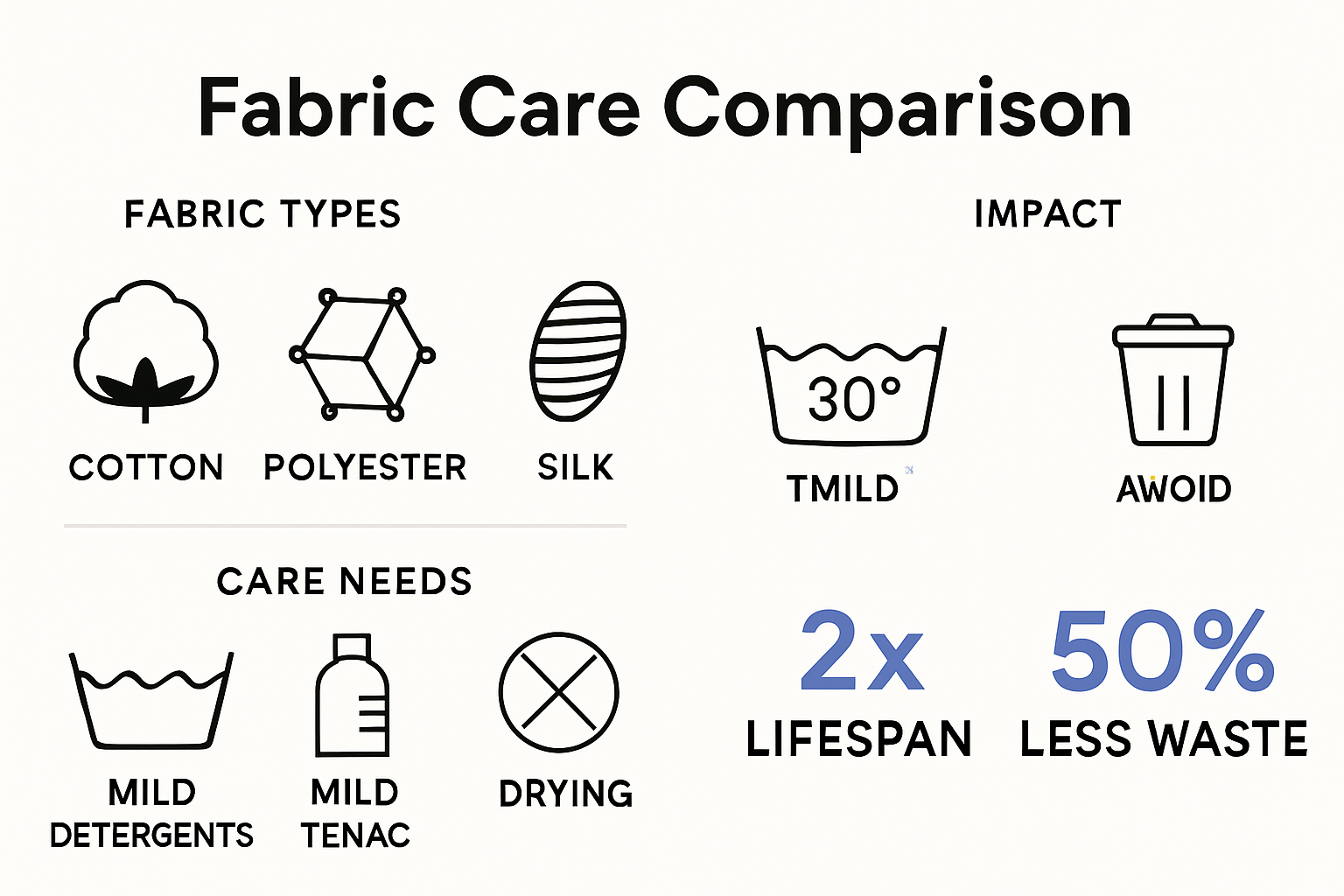
Fabric care is more than just tossing clothes in the washer. It is a science that combines chemistry, engineering, and design to protect textiles every step of the way. Get this, strategic fabric care can double the useful life of garments and cut textile waste by more than 50 percent. And while most people think of fabric care as basic cleaning, its real impact shapes everything from the way fabrics look to how they perform over years of use.
| Takeaway | Explanation |
|---|---|
| Protect fabric integrity with proper care | Understanding fabric types helps you choose the right care methods to maintain quality and longevity. |
| Sustainable fabric care reduces waste | Proactive maintenance strategies extend product lifecycles, minimizing replacements and benefiting the environment. |
| Chemical products must suit fabric types | Selecting appropriate fabric care products is critical to protect fibers and enhance performance while meeting maintenance needs. |
| Monitor environmental factors affecting textiles | Temperature, moisture, and mechanical stress can impact textile durability; adapt care routines accordingly to ensure longevity. |
| Embrace innovations in fabric care | Stay informed about new technologies and sustainable practices enhancing textile maintenance to improve functionality and reduce ecological impact. |
Fabric care represents a comprehensive approach to maintaining, protecting, and preserving textile materials throughout their lifecycle. At its core, fabric care encompasses a strategic set of practices designed to extend the longevity, appearance, and performance of various textile products.
The role of fabric care goes beyond simple cleaning. It involves a complex interplay of scientific principles and practical techniques that protect textiles from degradation, maintain their structural integrity, and preserve their aesthetic qualities. Textile professionals recognize fabric care as a critical discipline that involves multiple interconnected aspects.
Key principles of fabric care include:
Fabric care integrates knowledge from chemistry, materials science, and textile engineering. Different fabric compositions require unique care strategies. Textile Research Institute suggests that understanding the molecular structure of fabrics is fundamental to developing effective maintenance protocols.
Factors influencing fabric care include fiber type, weave structure, chemical treatments, and environmental exposures. Professional textile managers must consider variables such as temperature, moisture, mechanical stress, and chemical interactions when developing comprehensive fabric care strategies.
Professional textile management recognizes that each fabric type demands specialized attention. Cotton requires different care approaches compared to synthetic materials like polyester or delicate natural fibers such as silk. By understanding these nuanced requirements, textile professionals can implement targeted maintenance techniques that preserve fabric quality and extend product lifecycles.
Fabric care transcends routine maintenance and emerges as a critical strategic approach in textile design, performance, and sustainability. Designers and manufacturers recognize that proactive fabric care significantly influences the lifecycle, aesthetic quality, and functional integrity of textile products.
The economic value of fabric care extends far beyond simple preservation. Proper maintenance directly impacts product longevity, reducing waste and providing substantial financial benefits. Ohio State University Extension highlights that strategic fabric care can dramatically extend textile product lifecycles, creating tangible economic and environmental advantages.
Key economic benefits of comprehensive fabric care include:
The table below organizes the key factors and benefits that highlight why strategic fabric care is essential for economy, sustainability, and textile performance, as discussed in the article.
| Factor | Economic Impact | Environmental Impact | Design/Performance Impact |
|---|---|---|---|
| Reduced Replacement Frequency | Lowers cost of new purchases | Less landfill waste | Maintains long-term appearance |
| Extended Product Lifecycle | Spreads cost over more uses | Conserves manufacturing resources | Preserves original specifications |
| Proper Maintenance | Lowers ongoing textile expense | Decreases overall consumption | Retains functional & performance traits |
Textile designers understand that fabric care is intrinsically linked to maintaining original design specifications. Different fabric compositions require nuanced care strategies that preserve their unique structural and aesthetic characteristics. Whether working with natural fibers like cotton and silk or synthetic materials such as polyester, designers must integrate fabric care considerations into their initial design processes.
Critical factors influencing fabric design and longevity include:
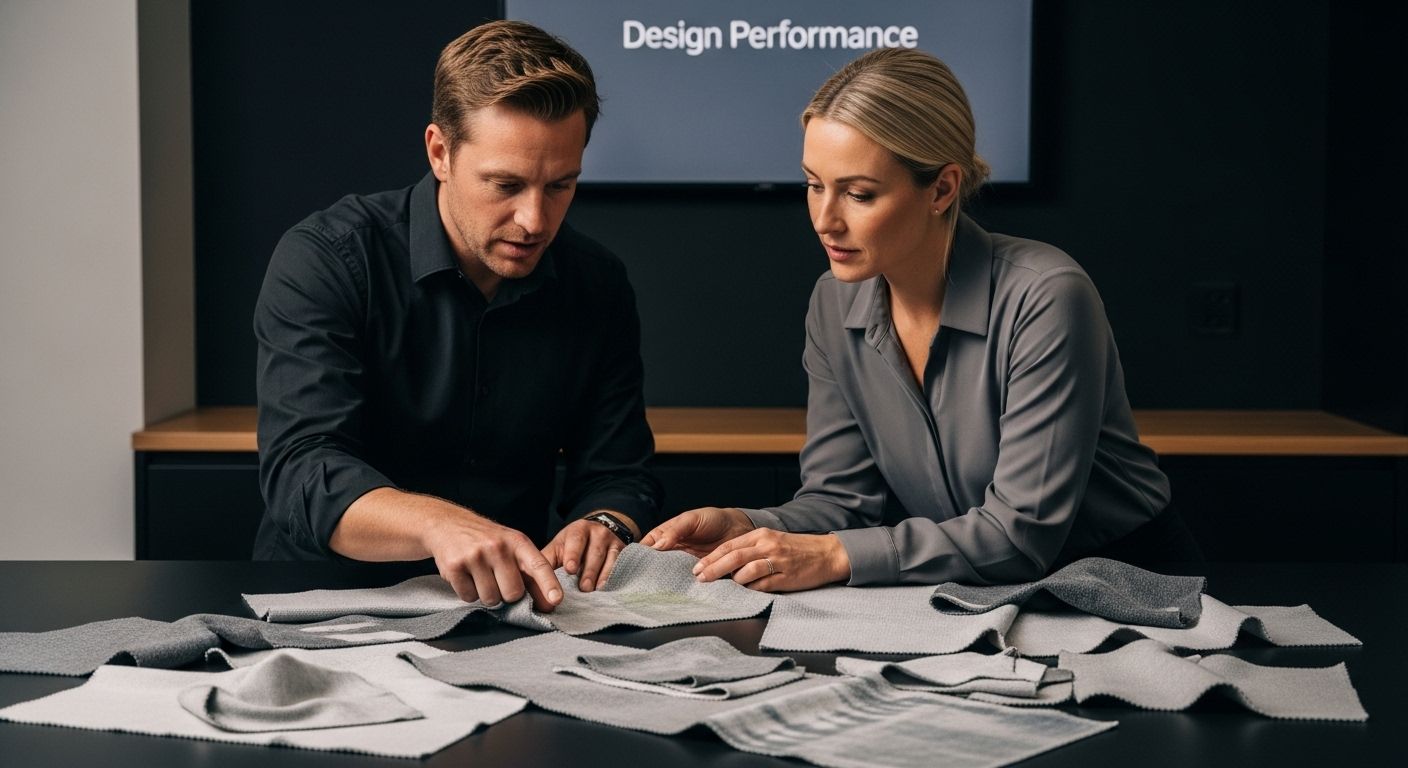
Professional textile management recognizes that thoughtful fabric care represents an investment in product quality. By implementing targeted maintenance techniques, designers can ensure that textiles retain their original performance attributes, color vibrancy, and structural integrity across extended usage periods. This approach not only enhances product value but also supports sustainable design principles by reducing unnecessary textile waste and promoting more responsible consumption patterns.
Textile performance and properties are deeply interconnected with carefully implemented fabric care strategies. Understanding how maintenance techniques impact material characteristics provides critical insights for designers, manufacturers, and consumers seeking to optimize textile functionality and longevity.
Fabric care processes fundamentally interact with textile materials at the molecular level, causing subtle yet significant transformations in fiber structure, strength, and performance characteristics. International Journal of Environmental Research and Public Health indicates that repeated washing and maintenance can progressively alter textile properties through mechanical stress and chemical interactions.
Key molecular changes resulting from fabric care include:
Textile performance attributes such as moisture management, color retention, and structural integrity are directly influenced by fabric care practices. Different fiber types respond uniquely to maintenance techniques, requiring specialized approaches to preserve their original functional characteristics.
Critical performance factors impacted by fabric care include:
Professional textile management recognizes that strategic fabric care extends beyond simple cleaning. By understanding the intricate relationships between maintenance processes and material properties, textile professionals can develop targeted care protocols that minimize performance degradation while maintaining the highest standards of textile quality and functionality. This nuanced approach supports sustainable design principles and ensures textiles continue to meet their intended performance specifications throughout their lifecycle.
Fabric care products represent a sophisticated ecosystem of chemical formulations designed to address the complex maintenance requirements of various textile materials. These specialized solutions play a critical role in preserving textile quality, appearance, and performance across different fabric types and usage scenarios.
Modern fabric care products are engineered with precise molecular structures that interact strategically with textile fibers. Each product category contains unique chemical compositions targeting specific maintenance challenges. Ohio State University Extension emphasizes the importance of understanding these chemical interactions for effective textile preservation.
Key categories of fabric care products include:
To help clarify the different types of fabric care products and their intended functions as discussed, the following table summarizes key product categories and their main purposes.
| Fabric Care Product Type | Main Function | Common Usage Scenario |
|---|---|---|
| Detergents (liquid/powder) | Remove dirt and stains | General washing |
| Fabric Softeners | Improve softness, reduce static | After main wash |
| Stain Removers | Target and lift specific stains | Pre-treatment of stubborn spots |
| Enzyme Cleaners | Break down organic matter (protein, fat, etc.) | Laundry with tough stains |
| Protective Sprays | Add barrier against liquids, stains, UV, etc. | Finishing/occasional treatment |
Fabric care products operate through complex mechanisms that go beyond simple cleaning. Advanced formulations are designed to address multiple textile maintenance objectives simultaneously. Professional textile managers recognize that these products must balance effective cleaning with fiber protection, color preservation, and performance maintenance.
Critical functional aspects of fabric care products include:
Understanding the intricate relationship between fabric care products and textile materials requires a multidisciplinary approach. Textile professionals must consider factors such as fiber composition, intended use, environmental conditions, and specific maintenance requirements when selecting appropriate care solutions. By developing targeted product strategies, they can effectively extend textile lifecycles, maintain aesthetic qualities, and support sustainable textile management practices.
The fabric care industry is undergoing a transformative evolution, driven by technological advancements, sustainability imperatives, and changing consumer expectations. Emerging innovations are reshaping how textiles are maintained, preserved, and experienced across multiple domains of design, functionality, and environmental responsibility.
Cutting-edge technological developments are revolutionizing fabric care through sophisticated molecular engineering, smart textile technologies, and advanced chemical formulations. These innovations aim to create more intelligent, responsive, and sustainable maintenance solutions that extend beyond traditional cleaning paradigms.
Key technological trends in fabric care include:
Environmental consciousness is driving significant transformations in fabric care research and development. Manufacturers and textile researchers are increasingly focused on creating maintenance solutions that minimize ecological impact while maintaining superior performance standards.
Critical sustainability innovations encompass:
The future of fabric care represents a sophisticated intersection of scientific innovation, environmental stewardship, and technological advancement. By integrating molecular science, artificial intelligence, and sustainable design principles, textile professionals are developing increasingly intelligent and responsible approaches to maintaining textile materials. These emerging strategies promise to revolutionize how we understand, interact with, and preserve textile products across diverse industries and applications.
Choosing the right fabric is the first and most essential step in fabric care. The article highlights that each textile demands specialized attention to preserve quality and integrity. If you have ever struggled with fabrics losing color, softness, or durability after only a few uses, the solution may start right at your sourcing decision. By understanding the fundamentals of fiber composition and maintenance, you can make informed choices that keep your creations vibrant and functional for years to come. Explore a range of top-quality cotton, silk, polyester, and more at https://fabric-fabric.com, designed to meet the unique needs of both DIY makers and professional designers.
Take the next step and browse our expertly categorized fabric offerings at https://fabric-fabric.com. Find the perfect match for longevity and style. Shop now to ensure your next project starts with quality and care built into every yard.
Fabric care is crucial for extending the longevity, appearance, and performance of textiles. It involves proper cleaning and maintenance practices that protect fabrics from degradation and preserve their aesthetic qualities.
Different fabric compositions, such as cotton, silk, and polyester, require unique care strategies due to their distinct structural and performance characteristics. Understanding these differences is essential for implementing effective maintenance.
Common fabric care products include detergents, fabric softeners, stain removers, enzyme cleaners, and protective sprays. Each product type is formulated to address specific maintenance challenges while enhancing textile quality.
To use the right care techniques, consider the fiber composition, intended usage environment, and specific maintenance requirements of your textiles. Tailored care strategies will help preserve fabric properties and maintain aesthetic appeal.